

Denmark Braces for Protracted Coalition Negotiations Following Election Stalemate
Denmark is preparing for a period of extensive and difficult coalition discussions after neither the leftwing bloc led by Prime Minister Mette Frederiksen nor the rightwing parties achieved a majority in Tuesday's general election. This political impasse has set the stage for complex negotiations that could reshape the country's government.
Prime Minister Submits Resignation Amid Electoral Setback
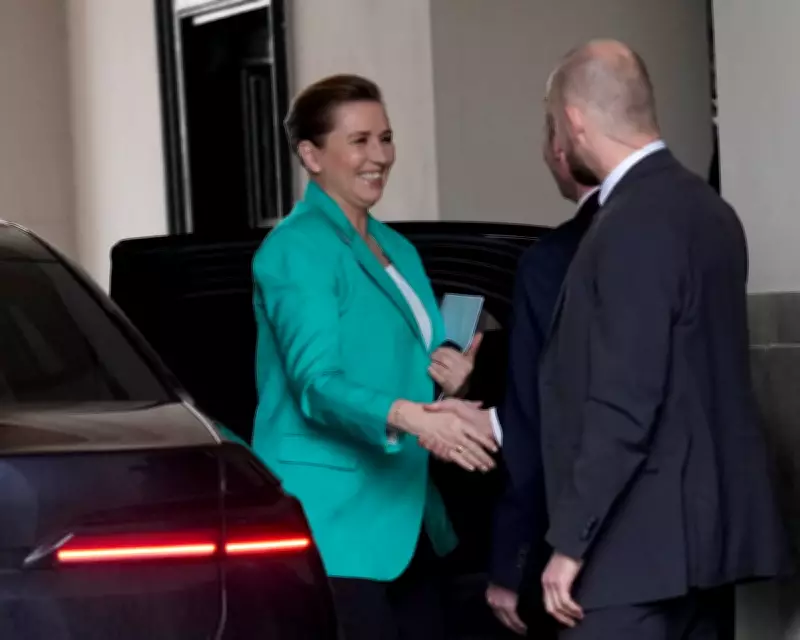
Mette Frederiksen, the Prime Minister, arrived at Amalienborg Palace this morning to formally submit her government's resignation to King Frederik X. This move follows a challenging night for her Social Democrat party, which, despite remaining the largest party in the Danish parliament, recorded its worst general election performance since 1903. The party's diminished standing has significantly complicated the path to forming a new administration.
Later today, political parties will begin arriving at the palace in order of their parliamentary size, starting with the Social Democrats. Their task will be to advise the king on who should be appointed as the royal investigator, a key figure responsible for attempting to form a viable government coalition.

Frederiksen Acknowledges Troublesome Political Landscape
Speaking at a leaders' debate in Copenhagen, Frederiksen acknowledged that voters had created a troublesome party situation but emphasized that a government must be formed. She stated, The world is not waiting for us out there, and it has only become even more restless than when the election was called. Frederiksen indicated her intention to explore the possibility of forming a left-leaning government with support from Lars Løkke Rasmussen's centre-right Moderates party, though she stressed that appointing a royal investigator must come first.
Moderates Emerge as Potential Kingmakers
The election results left both the left-leaning red bloc and right-leaning blue bloc without a majority, securing 84 and 77 seats respectively in the 179-seat Folketing. This deadlock places the Moderates, with 14 seats, in a potentially influential position to act as kingmakers in coalition negotiations. Lars Løkke Rasmussen, a committed centrist and former prime minister, appealed to Frederiksen and Troels Lund Poulsen, leader of the liberal Venstre party, to come down from the trees and join him in the centre ground.
Rasmussen noted, What is clear – with all conceivable reservations – I think is that there is no red majority to the left of us, and there is no black-blue majority to the right of us. He has expressed interest in being appointed royal investigator, a role that typically leads to forming the government, though he has stated he does not wish to serve as prime minister again.
Party Leaders Outline Divergent Paths Forward
In the early hours following the election, Frederiksen addressed her party at Christiansborg, describing the results as OK but not as good as hoped. She affirmed her readiness to continue as prime minister, acknowledging that the task would not be easy. Meanwhile, Troels Lund Poulsen of Venstre ruled out forming a coalition with the Social Democrats, asserting his candidacy for prime minister and celebrating Venstre's position as the largest rightwing party.
The royal palace confirmed in a statement that the king had received the prime minister's resignation and that party representatives would meet from 1pm Danish time to discuss government formation. Coalition negotiations are anticipated to take several weeks, reflecting the intricate balance of power and divergent political agendas among Denmark's parties.






