
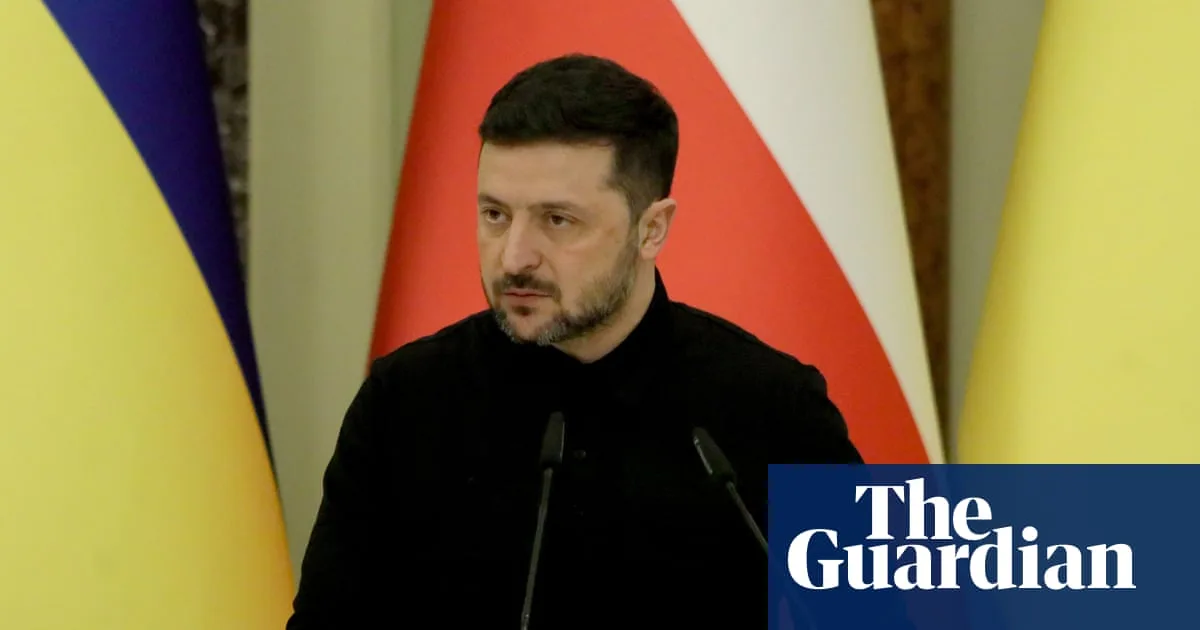
Volodymyr Zelenskyy has said the United States has set a new deadline of June for a peace settlement between Ukraine and Russia, with the Trump administration proposing to host the next round of trilateral talks in America.
The Ukrainian president told reporters that Washington “will probably put pressure” on both sides to end the war by the beginning of summer. “They say they want to get everything done by June,” he said, adding that the US wanted “a clear schedule of all events”.
If the June deadline is not met, Mr Zelenskyy said, the White House would likely increase pressure on Kyiv and Moscow. He also confirmed that Ukraine had accepted an invitation to attend further negotiations in the United States, reportedly in Miami, within a week.
The new timetable follows a series of unmet projections. Before taking office, Donald Trump promised to end the war within 24 hours; his special envoy, Keith Kellogg, later suggested an agreement within 100 days of the inauguration. That passed, as did an August deadline set by Mr Trump, who in December claimed a draft deal was nearly “95% done”.
Two days of US-led peace talks concluded this week in Abu Dhabi without a breakthrough, although Kyrylo Budanov, head of Ukraine’s presidential office, described the trilateral negotiations as “genuinely constructive”.
Mr Zelenskyy hinted that the June target may be tied to the American midterm elections campaign. “The [midterm] elections are definitely more important for them [the Americans]. Let’s not be naive,” he said, adding: “If the Russians are really ready to end the war, then it is really important to set a deadline.”




