
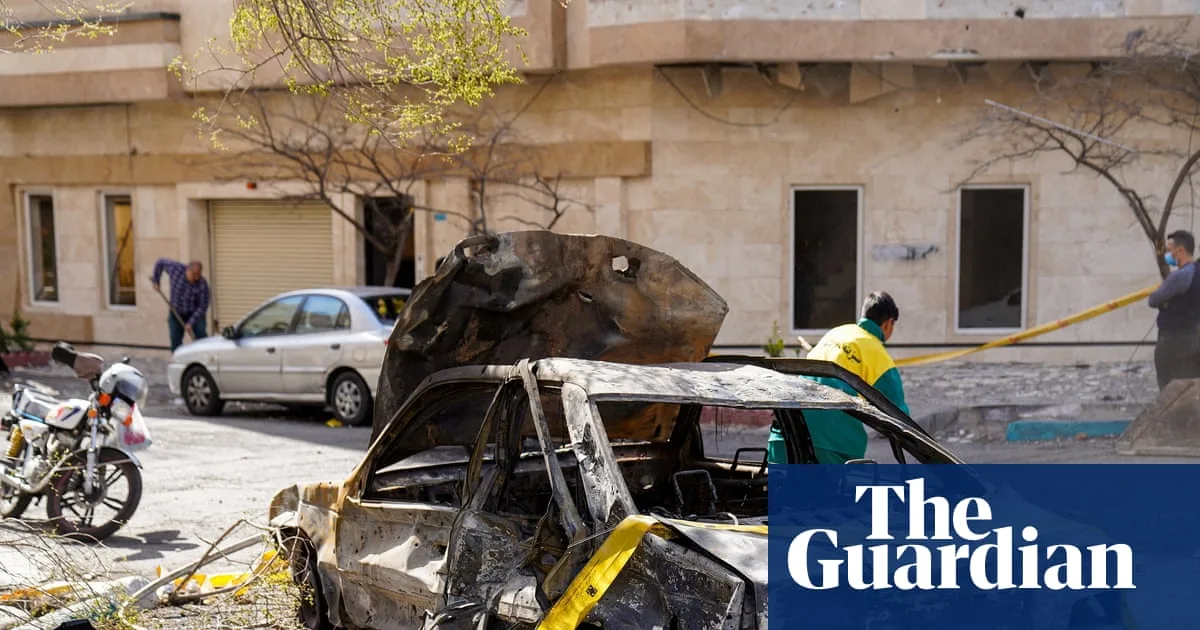
A coordinated daylight assault on Tehran by the United States and Israel has plunged the region into wider conflict, with the initial salvo described as a decapitation strike intended to eliminate Iran's leadership. The bombing began at approximately 9.15am local time, after the working day had begun, with plumes of smoke rising from the government zone and affluent districts. Israeli officials later confirmed the timing was deliberate, ensuring officials were at their desks for maximum impact.
By 10.30am, two rounds of explosions were reported along Pasteur Street, home to key government buildings, including the offices of Supreme Leader Ayatollah Ali Khamenei and President Masoud Pezeshkian. Satellite images showed the supreme leader's compound reduced to rubble, though Iranian news agencies initially insisted Khamenei was safe. Hours later, state media confirmed the ayatollah had been killed. The former president, Mahmoud Ahmadinejad, was also targeted, with his Tehran residence destroyed and his fate unknown.
Attacks were reported across the country, including in Qom, Tabriz, Kermanshah, and Karaj. Civilian casualties soon emerged, with local authorities reporting 108 people killed in an Israeli strike on a girls' elementary school in Minab, Hormozgan province, which hosts an Islamic Revolutionary Guard Corps base. Photographs from the scene showed rescue workers searching the wreckage, holding up a child's knapsack.
The Israeli spy agency Mossad posted a tweet in Farsi calling for an uprising, offering a secure Telegram channel for Iranians to share videos of their struggle. Shortly afterward, a pre-recorded address from Donald Trump was broadcast on Truth Social, announcing the start of major combat operations. Trump described the Iranian regime as a vicious group of terrible people and urged Iranians to seize the moment.
“The hour of your freedom is at hand,” Trump said in the recording. “Stay sheltered. Bombs will be dropping everywhere. When we are finished, take over your government. It will be yours to take. This will be, probably, your only chance for generations.”




