
For a generation, Latin America has been characterised as a "zone of peace", with democratic stability and an absence of inter-state war. But the first year of Donald Trump's second term has shattered that perception, according to a new analysis. More than 100 people have been killed in US maritime strikes in the region, described by experts as extrajudicial executions, yet the loudest objections have come from the US Congress rather than Latin American leaders or regional organisations.
The analysis, written by Jordana Timerman, argues that Washington no longer needs a military invasion to upend the hemispheric order. Trump has redefined US power through an "imperial restoration" that discards the "greater good" narratives of the past. The so-called "Donroe doctrine" now operates openly as a disciplinary regime – transactional, punitive and unadorned – aligned with the region's political shifts. Trump's influence has become so dominant that elections are won or lost by his endorsement, as seen in Honduras, where he backed Nasry Asfura and threatened to cut aid if voters chose otherwise, and in Argentina's midterms.
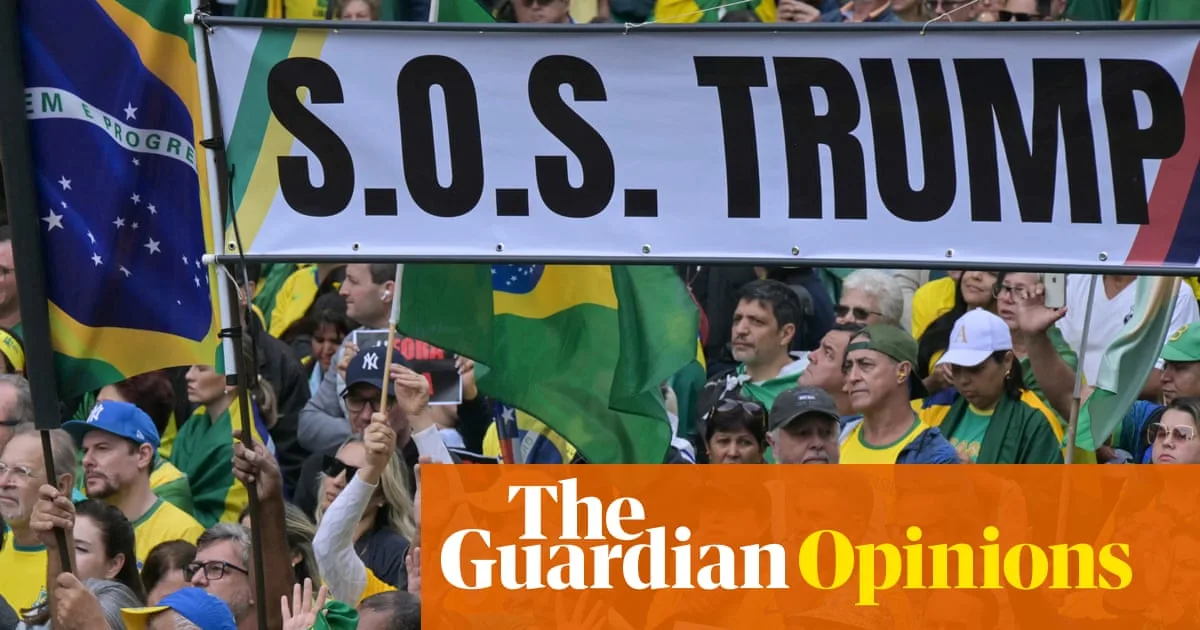
The Trump administration's method combines volatility, exceptions and rewards. Lethal maritime strikes coexist with abrupt concessions, such as the lifting of tariffs on Brazil after it failed to sway the courts handling Jair Bolsonaro's cases. Inconsistency is deliberate: it fractures coordination, generates dependency and forces governments into reactive decision-making. The expansion of exceptions has been a powerful tool – migrants stripped of legal protections, deportees sent to third countries, alleged narco-traffickers killed extraterritorially, and now Venezuela, where illegal strikes target an isolated regime with little resistance.
The region has developed a stark dichotomy between obedient allies and ideological enemies. Leaders such as Nayib Bukele of El Salvador, Javier Milei of Argentina and Daniel Noboa of Ecuador have been rewarded with financing, security cooperation and diplomatic favour. Paraguay and Bolivia are angling to follow suit, while Caribbean and Central American nations barter migration enforcement and military staging grounds to stay in Washington's good graces. The most effective resistance has come from Brazil and Mexico, whose leaders, Luiz Inácio Lula da Silva and Claudia Sheinbaum, practise a form of pragmatic resistance – no open rupture, but no alignment either. After months of failing to bend Brazil's judiciary on Bolsonaro, Trump was forced to negotiate with Lula and has backtracked.




