
Donald Trump has warned that a "massive conflict" could break out in the Middle East if talks over an Iranian nuclear deal break down, as the US ordered some personnel to evacuate from the region. Speaking on Thursday, the US president said he was concerned that an Israeli strike could "blow" the negotiations and confirmed that he had told American personnel to leave in case of an Iranian counterattack.
The warning came after the International Atomic Energy Agency (IAEA) issued its strongest condemnation of Iran in 20 years, saying it had continued to enrich uranium to near weapons-grade levels and had failed to comply with its nuclear nonproliferation obligations. Iran responded defiantly, calling the censure a "political resolution" and announcing it had built a third enrichment site ready to be activated.
US media reported that Israel was fully prepared to launch a pre-emptive strike on Iran's nuclear programme, even without direct US support, and that the attack could come as soon as Sunday. The Trump administration has privately told Israel it would not take part, according to Axios. Trump conceded an Israeli attack "could very well happen", adding: "There's a chance of massive conflict. We have a lot of American people in this area. And I said we have to tell them to get out soon."
Iran's Revolutionary Guards commander, Hossein Salami, said any retaliation to Israeli aggression would be "more forceful and destructive" than in past offensives. The US decision to withdraw personnel from embassies and bases in the Middle East has raised concerns over an imminent military strike, while also prompting speculation that Washington is increasing pressure on Iran to reach a deal and avert a regional war.
On Sunday, Trump's Middle East envoy, Steve Witkoff, is due to travel to Oman for a sixth round of talks with Iranian officials. Trump said he wanted an agreement with Iran and that the two sides were "fairly close to a pretty good agreement", but he did not want Israel to strike because it "could blow it". He later insisted that Iran would never obtain a nuclear weapon and that his administration remained committed to a diplomatic resolution.
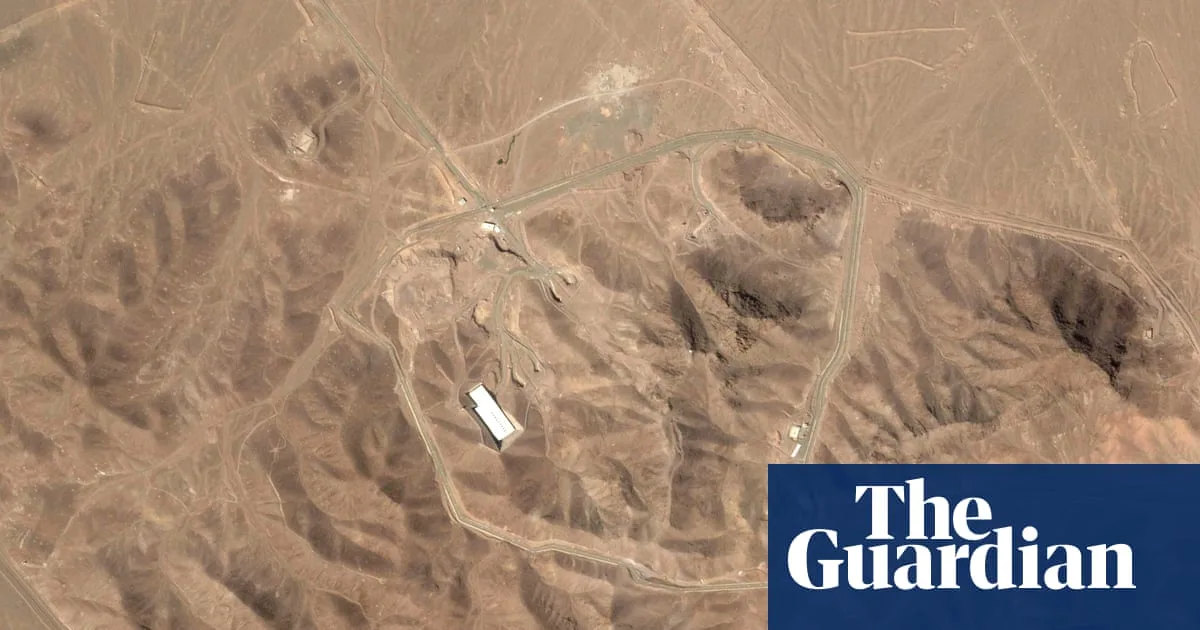
The IAEA board's motion, passed with 19 votes in favour, three against and 11 abstentions, focused on Iran's refusal to explain activity at three secret nuclear sites and its stockpile of uranium enriched to 60%, close to weapons-grade. The European powers said the agency had not been able to guarantee that Iran's programme was exclusively peaceful. Iran's nuclear chief, Mohammad Eslami, disclosed that a new, previously secret third enrichment site had been built and was ready to operate, and that advanced sixth-generation machines would replace first-generation ones at its Fordow site. Late on Wednesday, the US state department ordered the departure of all non-essential personnel and their dependents from its embassy in Baghdad.




