
Nicolás Maduro, Venezuela's leader, is being held at the Metropolitan Detention Center in Brooklyn after being captured by US troops and flown to New York. He arrived on Saturday evening at Stewart Air National Guard Base in Newburgh, escorted by FBI agents, before being taken by helicopter to Manhattan. US media reported that he was initially processed at the offices of the Drug Enforcement Administration and then transferred to the federal facility, where other high-profile prisoners have been detained.
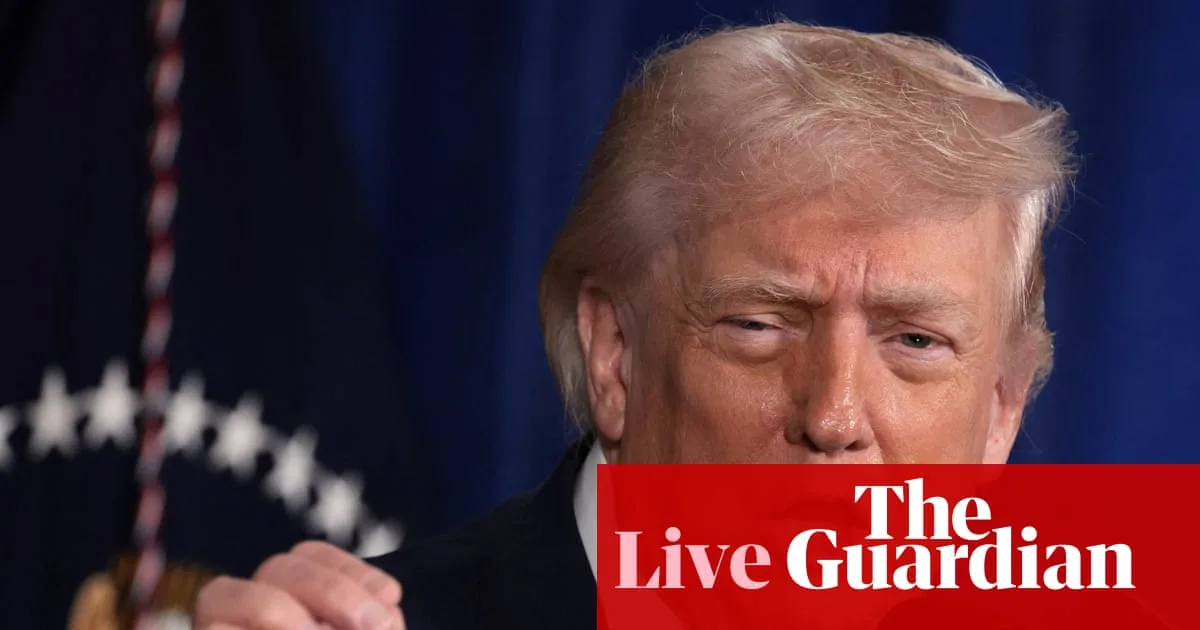
President Donald Trump said the United States would "run the country until such time as we can do a safe, proper and judicious transition" during a press conference about the military operation. He also said Washington would be "very strongly involved" in Venezuela's oil industry, adding: "We have the greatest oil companies in the world, the biggest, the greatest, and we're going to be very much involved in it." Trump confirmed his administration had not spoken to exiled opposition leader María Corina Machado, suggesting she lacked support in Venezuela.
Venezuela's supreme court has ordered vice-president Delcy Rodríguez to act as president in Maduro's absence. Meanwhile, US defense secretary Pete Hegseth said the operation meant "the drugs stop flowing" and "the oil that was taken from us is returned, ultimately". The UN Security Council was due to hold an emergency meeting on Monday, and Secretary General António Guterres described the intervention as "a dangerous precedent", according to his spokesperson.
The New York Times reported that at least 40 people, including civilians and soldiers, were killed in Saturday's attack on Caracas, citing a senior Venezuelan official. In Doral, South Florida, hundreds of Venezuelan expatriates gathered to celebrate Maduro's capture, waving flags and chanting "liberty". David Nuñez, who fled Venezuela six years ago, said he hoped to reunite with his daughters, adding: "The most important thing is that we're going to be able to be with our families soon."




