
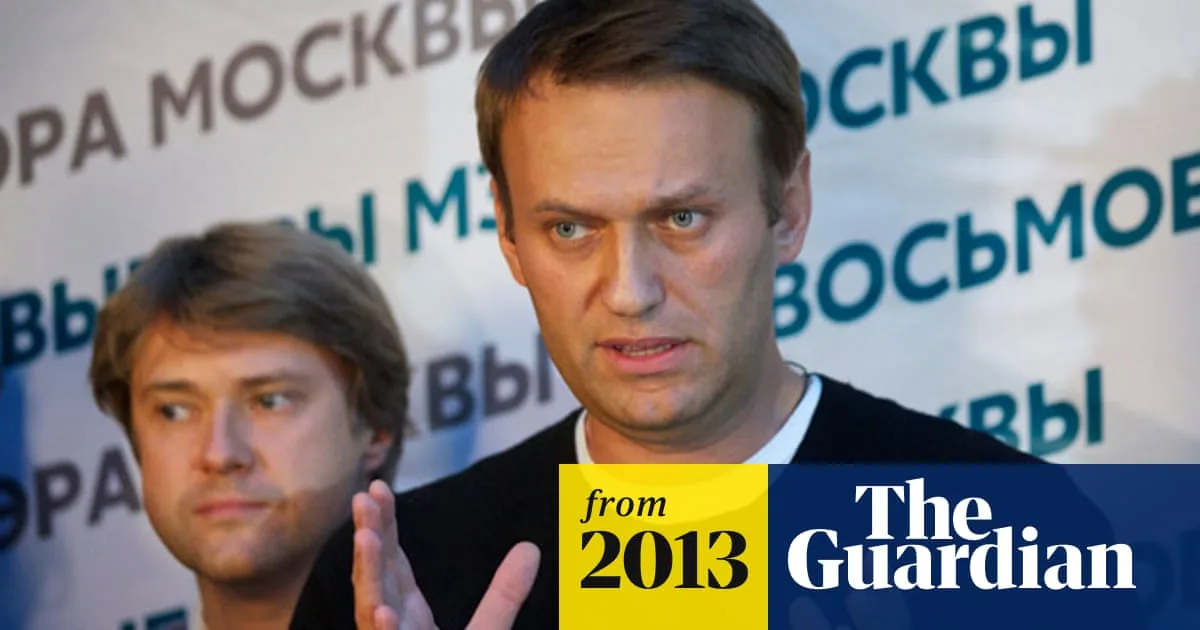
Russia's opposition movement recorded its most telling electoral result in 13 years of Vladimir Putin's rule on Sunday, with candidates for mayor in Moscow and Yekaterinburg performing strongly against Kremlin-backed incumbents.
Anti-corruption activist Alexei Navalny won 27.24% of the vote in the Moscow mayoral race, but immediately disputed the result, claiming it was marred by 'many serious violations'. Official results gave acting mayor Sergei Sobyanin 51.37%, just above the 50% threshold to avoid a runoff, but the Alliance of Observers counted 49.7% for Sobyanin and 28.3% for Navalny.
In Yekaterinburg, anti-drug activist Yevgeny Roizman appeared to have defeated the United Russia candidate, with the head of the local electoral commission saying he won by a margin of more than 3%. Several exit polls showed Roizman winning by a slim margin, a result that would embarrass the Kremlin.
Navalny's result was achieved without the financial, administrative, and media advantages enjoyed by incumbents, and was interpreted as a clear sign of disaffection with the ruling elite. Liberal political figure Leonid Gozman said the old political system was dead, pointing to candidates not associated with Kremlin-controlled parties.
As vote counting dragged on, both cities appeared poised for tension. Riot police were deployed outside the Yekaterinburg government building, and the Moscow Electoral Commission delayed announcing final results until Monday morning. Navalny called the delays evidence of 'clear falsification' and demanded a second round, planning a protest rally for Monday night.
Voter turnout was low nationwide. In Moscow, the election was marked by numerous minor violations, though some observers reported no irregularities at their polling stations. Navalny faces a potential five-year prison sentence if his appeal against a conviction for extortion is unsuccessful, which would bar him from holding office.




