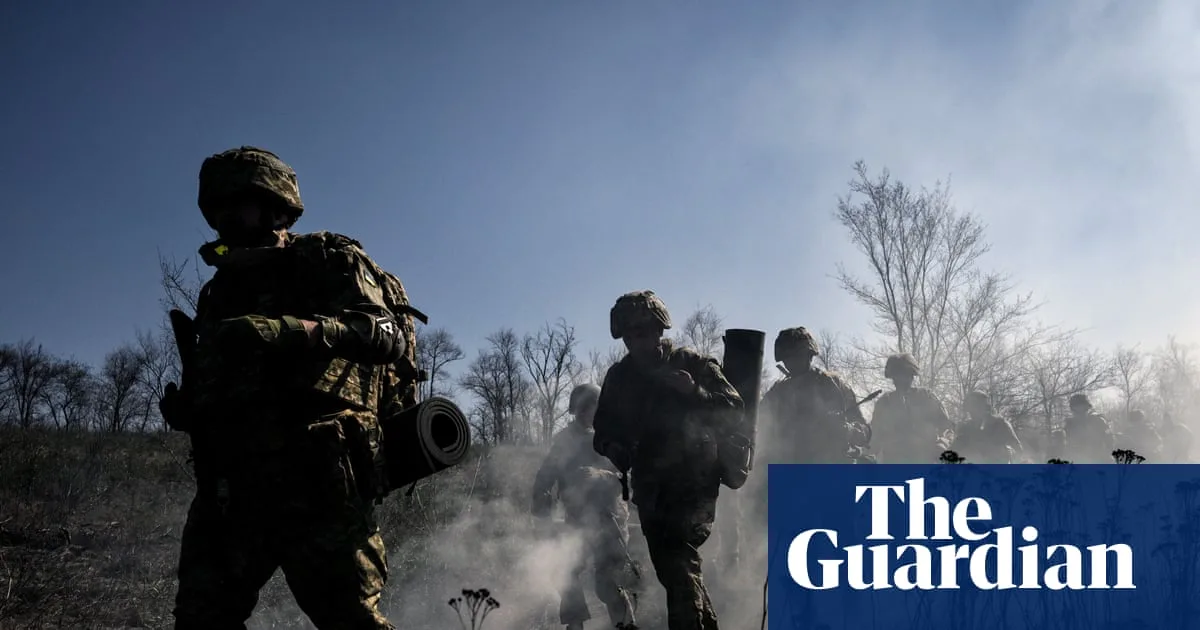
Putin Announces Orthodox Easter Ceasefire in Ukraine Amid Stalled Peace Talks
Putin Announces Orthodox Easter Ceasefire in Ukraine War

Russian President Vladimir Putin has announced a temporary ceasefire with Ukraine to coincide with the Orthodox Easter holidays, marking a significant development in the ongoing conflict that has ravaged Eastern Europe. The Kremlin made the formal declaration on Thursday, revealing that the truce would be in effect from 16:00 Moscow time on April 11 until the end of April 12, 2026.

Ceasefire Details and Kremlin Statement

The Kremlin stated that the ceasefire was declared 'in connection with the approaching Orthodox feast of Easter', with explicit instructions given to the General Staff to cease all combat operations across all fronts during this period. However, Russian forces remain on high alert, prepared to counter any potential provocations from Ukrainian troops. The Kremlin expressed hope that Ukraine would follow Russia's example and respect the temporary peace.

Background of the Announcement

This announcement comes just days after Ukrainian President Volodymyr Zelensky accused Moscow of choosing 'Easter escalation' over a ceasefire, following a series of deadly Russian drone attacks over the weekend that resulted in six fatalities and forty injuries. Zelensky had previously proposed a holiday truce through United States intermediaries, but peace talks have been repeatedly derailed, particularly as international attention shifted toward the escalating Middle East conflict.

Wide Pickt banner — collaborative shopping lists app for Telegram, phone mockup with grocery list

Stalled Negotiations and Previous Ceasefires

Multiple rounds of US-led diplomatic efforts have failed to bring the warring nations closer to a lasting agreement. Moscow continues to demand significant territorial and political concessions from Kyiv, which Zelensky has firmly rejected as tantamount to surrender. Previous ceasefire attempts have proven largely ineffective; Putin unilaterally declared a 30-hour ceasefire last Easter, but both sides subsequently accused each other of violations.

The Human Cost of the Conflict

The Russia-Ukraine war has exacted a devastating human toll, resulting in hundreds of thousands of casualties and displacing millions of people. This conflict stands as the deadliest in Europe since World War II, with no clear resolution in sight despite international mediation efforts.

Regional Context: Middle East Ceasefire Developments

The developments in Ukraine occur against the backdrop of a fragile two-week ceasefire agreement between the United States and Iran, which includes the reopening of the strategically vital Strait of Hormuz. Former US President Donald Trump hailed this as a 'total and complete victory', though core disputes between the nations remain unresolved. The ceasefire has sparked confusion regarding its scope, with the US and Israel asserting it does not cover Lebanon, where Israeli forces have intensified bombing campaigns, while Iran and mediators claim it encompasses a complete cessation of hostilities across multiple Middle Eastern nations.

Iranian Memorial Ceremonies

In Iran, thousands gathered for memorial ceremonies marking the 40-day mourning period for former Supreme Leader Ayatollah Ali Khamenei, who was killed in a US-Israeli attack on February 28. Iranian President Masoud Pezeshkian participated in the tributes, as some attendees framed the US-Iran ceasefire as a regime victory. Khamenei's successor, Mojtaba Khamenei, was absent due to injuries sustained in a strike and has not appeared publicly since his appointment.

The intertwined nature of these global conflicts underscores the complex geopolitical landscape, where ceasefires offer temporary respites but fail to address underlying tensions. As Orthodox Easter approaches, the world watches to see if this latest truce will hold or become another footnote in a protracted war.

Pickt after-article banner — collaborative shopping lists app with family illustration




