
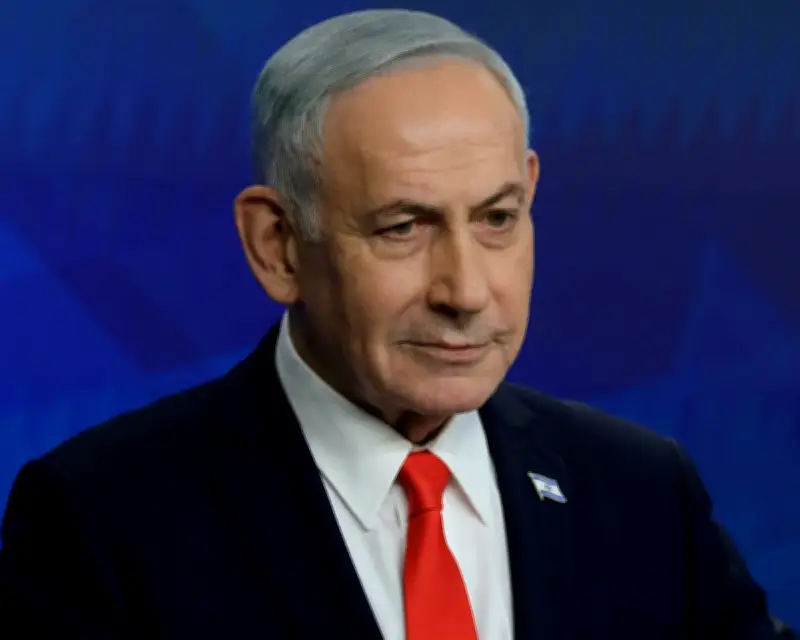
Israeli Prime Minister Benjamin Netanyahu has rejected a US-brokered ceasefire deal for Gaza, a decision that analysts say is a risky gamble with potential to strain relations with Washington and prolong the conflict.
Rejection of the Deal
According to sources familiar with the negotiations, the proposed deal included a phased ceasefire and a prisoner exchange. Netanyahu's office stated that the terms were not acceptable, citing security concerns, but did not specify which parts were rejected.
The US had pressured Israel to accept the deal, which was seen as a step toward de-escalation after months of violence. The rejection comes amid ongoing international efforts to broker a truce.
Analysts' Perspective
Political analysts quoted by the Guardian describe the move as a "risky gamble," arguing that it could alienate the Biden administration and reduce US leverage in the region. They note that Netanyahu may be calculating that he can secure a better deal later, but the strategy is fraught with uncertainty.
One analyst said, "Netanyahu is betting that the US will not penalize Israel, but this could backfire if the conflict drags on and international pressure mounts."
Impact on Relations
The rejection could further strain US-Israel relations, which have been tense over the handling of the Gaza war. The US had hoped the deal would create a framework for a lasting peace, and its failure may complicate future diplomatic efforts.
Meanwhile, the humanitarian situation in Gaza remains dire, with no immediate prospect of a ceasefire. The decision is likely to be a central issue in upcoming political debates in Israel.




