
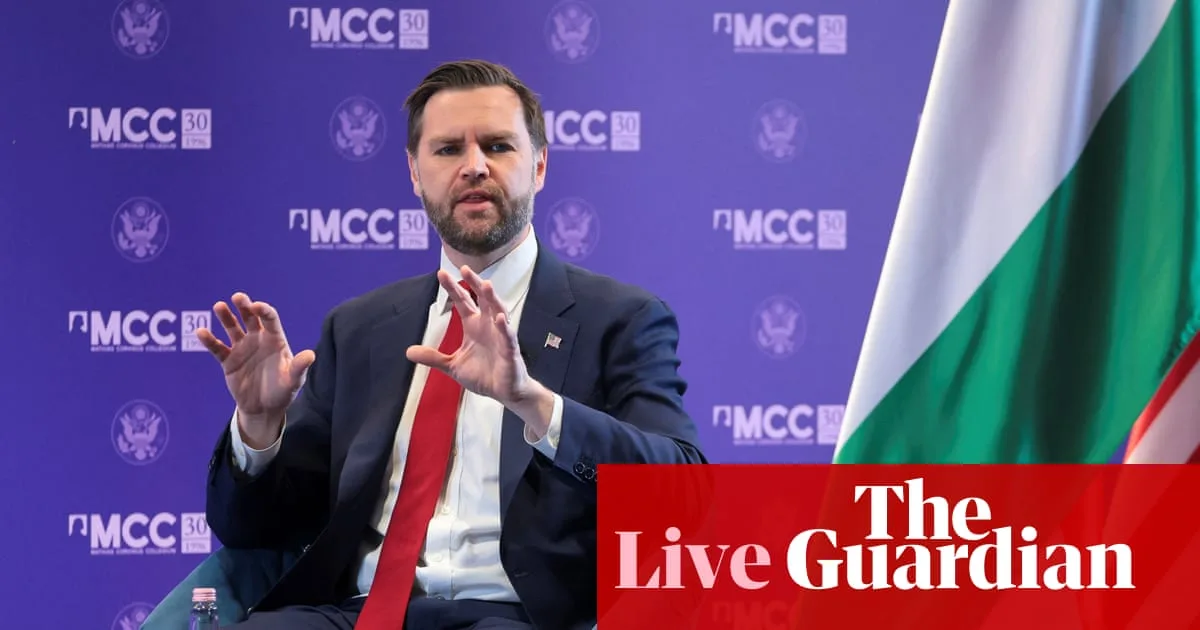
The European Commission has stated it will use diplomatic channels to convey its concerns to the United States following US Vice-President JD Vance's visit to Hungary, where he praised Prime Minister Viktor Orbán and criticised EU and UK energy policies. The Commission's spokespeople initially resisted commenting on Vance's remarks but eventually confirmed they would address the matter through appropriate diplomatic frameworks.
During his speech at the Mathias Corvinus Collegium in Budapest, Vance defended Orbán's government, calling them 'important partners for peace' and dismissing allegations of foreign interference. He argued his visit was necessary to counter what he described as 'garbage' being told about Orbán. The EU, however, has expressed unease over Vance's intervention just days before Hungary's parliamentary election on Sunday.
Separately, leaked audio recordings have emerged appearing to show Hungary's Foreign Minister Péter Szijjártó offering to send a document about Ukraine's EU accession to his Russian counterpart, Sergei Lavrov. The recordings, released by investigative outlets including VSquare.org, have not been independently verified but have intensified scrutiny of Budapest's ties with Moscow. Orbán has ordered an investigation into the alleged wiretapping.
The developments come as Hungary prepares for a key election, with Orbán's government facing criticism over its erosion of democratic institutions and close relations with Russia. The EU's decision to raise concerns with the US underscores the growing tension between Brussels and Washington over European affairs.




