
Former US envoys who negotiated the 2015 Iran nuclear deal have said that the US-Israeli attack on Iran and Tehran's subsequent closure of the Strait of Hormuz have given Iran new tools and resolve to resist pressure to shutter its nuclear programme.
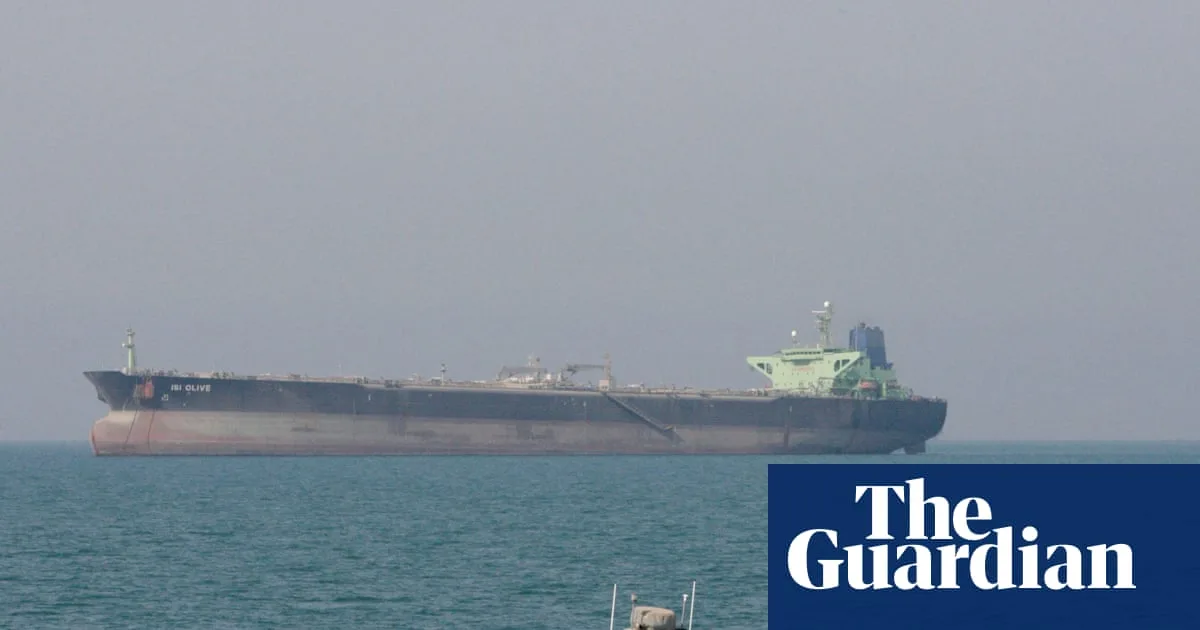
Two senior negotiators for the Joint Comprehensive Plan of Action (JCPOA) said the Trump administration's war had handed Iran a coveted weapon by demonstrating its ability to cut off the Strait of Hormuz, an economic chokehold that one negotiator said would help Iran 'balance the asymmetry of power' with the US.
'The Strait of Hormuz is such a good strategic deterrent [and] to an extent it makes the nuclear programme less crucial,' said Alan Eyre, a former diplomat who helped negotiate the JCPOA. 'It would have taken a lot of time and a lot of risk for them to weaponise [nuclear arms] … But they've got a really cool threat now, which is incredibly easy to turn on and off.'
Diplomatic sources have indicated that the Iranian delegation believes this is an unprecedented set of circumstances to negotiate on favourable terms, as the Trump administration appears keen to exit the conflict quickly. A US delegation led by JD Vance will meet Iranian negotiators in Islamabad, Pakistan this weekend.
Robert Malley, a former US special envoy to Iran under Joe Biden and a lead negotiator on the JCPOA, said: 'The Strait of Hormuz wasn't an issue before the US decided to strike. You have all the issues inherited from the past, but you just added a few, because the US has handed Iran a tool that it always had, but it never thought of using, or never felt it could.'
The chances for a comprehensive agreement addressing all grievances appear slim. As Malley noted, the Obama administration had chosen to seek a more limited deal because 'for every element that the US and others will put on the table, Iran will put a reciprocal element on the table. This is not a one-way street.'




