
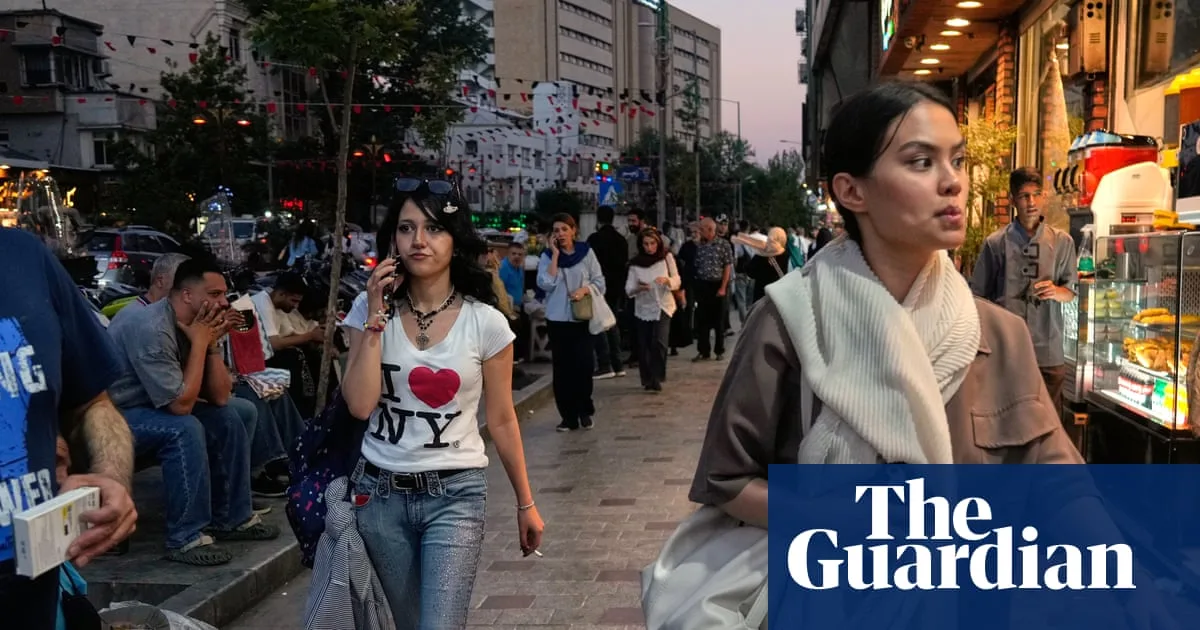
The Islamic Republic may have weathered the recent conflict, but its leadership now confronts a more daunting task: reconciling with a population shaken by war, repression and economic collapse. The authorities' crackdown on protests earlier this year, which left thousands dead, remains fresh in the public's memory, even as the war momentarily rallied the nation.
The conflict, which saw the deaths of top officials, ultimately showcased the regime's durability. Yet the country is reeling: an estimated two million people have lost their jobs, and inflation reached 77% last month. Living standards had already plunged over the past decade under the weight of international sanctions and domestic mismanagement, fuelling the unrest that erupted in January.
A framework peace deal signed with the United States last week offers a measure of economic relief, potentially unlocking hundreds of billions of dollars, some of it immediately. However, longer-term benefits from sanctions relief and reconstruction depend on difficult negotiations over Iran's nuclear programme.
The war also produced a rare wave of nationalism, with many Iranians believing their country emerged victorious. 'Trump and Netanyahu have managed to unite Iranians more than any Iranian politician could,' said Foad Izadi, an associate professor at the University of Tehran. Elham, an artist who describes herself as a leftist, said the war and January's bloodshed had shattered illusions about Western intervention. 'There's now an understanding that the idea that the US can save us is a lie,' she said, adding that grassroots movements, rather than externally backed uprisings, offered the best path to gradual change.
The conflict has scrambled traditional political categories. Peace negotiations with Washington were led by Mohammad Bagher Ghalibaf, a conservative and parliament speaker, and earned public backing from the Revolutionary Guards. Zeinab Ghasemi Tari, also a Tehran academic, said nightly gatherings in public squares reflect collective resilience, while support for pro-Western reformist engagement has waned. 'The war has reshaped public consciousness in ways that are still unfolding,' she observed.




