
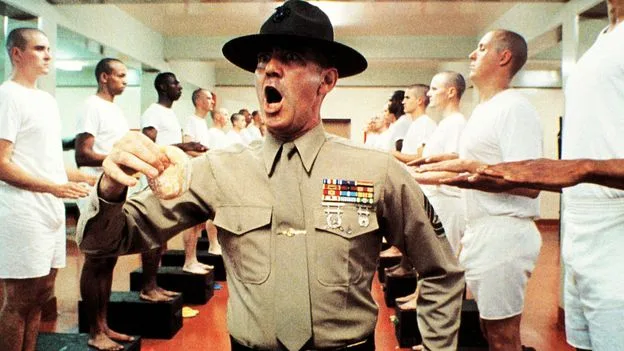
Stanley Kubrick's Full Metal Jacket turns 35 on 26 June, and the film remains a searing indictment of the mindlessness and cruelty of conflict. The director, who made only 13 films in his 46-year career, repeatedly returned to the war genre, exploring the transformation of young men into killing machines.
Kubrick's fascination with war dates back to his debut, Fear and Desire (1953), which he later disowned as 'a bumbling amateur film exercise.' Yet it set the template for his later work, examining the human and mental cost of conflict. Nathan Abrams, a film professor at Bangor University, notes that Kubrick 'used war as the backdrop to examine the bigger issues… like the nature of humanity, men, masculinity and evil.'
Peter Kuznick, a history professor at American University, believes Kubrick 'understood, on a very deep level, the insanity of modern warfare.' This is evident in Paths of Glory (1957), Dr Strangelove (1964), and Full Metal Jacket. Kuznick highlights the 'irrationality, mindlessness and cruelty of warfare' in Paths of Glory, while Dr Strangelove and Full Metal Jacket epitomise Kubrick's view through their mixture of sex and violence.
'Kubrick is very aware of certain things, especially the connection between sex and violence,' says Kuznick. In Dr Strangelove, the mid-flight refuelling of an aircraft is shot like a sex scene, and the final sequence sees Major Kong straddling a nuclear bomb. 'Even the name of the film… What is Strange Love referring to? It's a love of death.'
Full Metal Jacket is similarly blatant. Drill instructor Sergeant Hartman orders recruits to give their rifles women's names and sleep with them. In one scene, they march chanting, 'This is my rifle. This is my gun. This is for killing. This is fun.' Kuznick explains: 'I think he's saying that the same urge that can turn people into obsessively sexual beings is interconnected to our proclivity towards violence. Ultimately, I think that's what makes Kubrick pessimistic about human beings.'




