
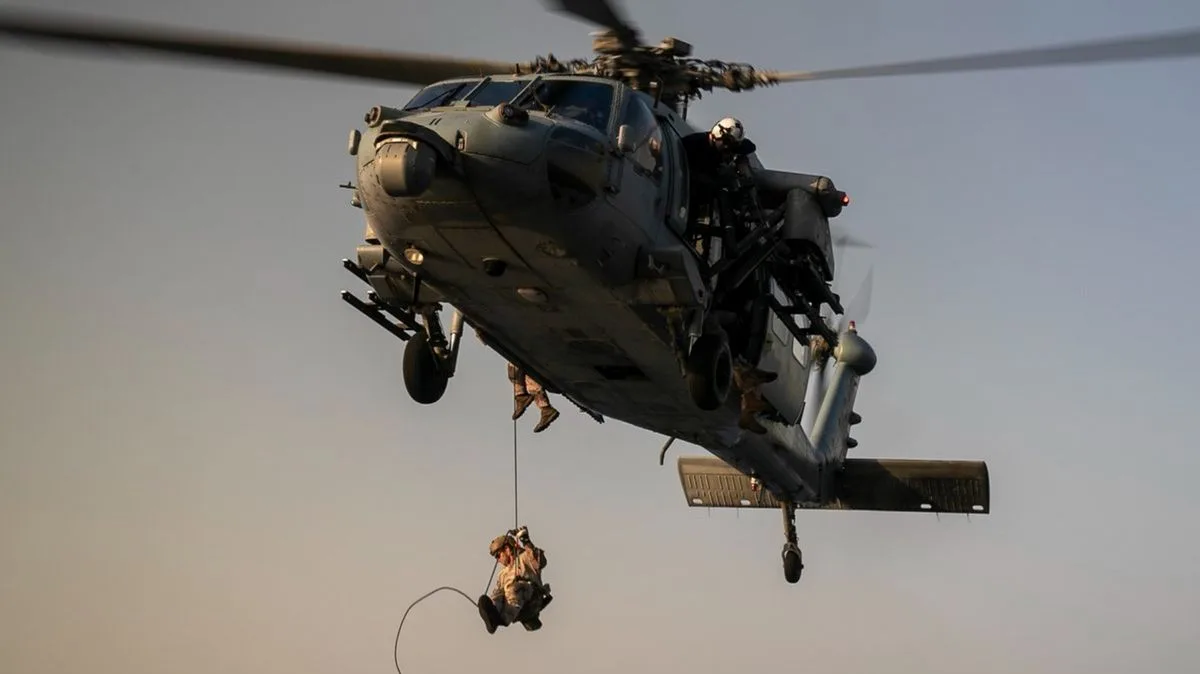
Fresh fears of a military conflict between the US and Iran have emerged after President Donald Trump slammed Tehran’s counter-proposal as “totally unacceptable.” The two sides had been engaged in indirect talks to de-escalate tensions, but negotiations have hit a new impasse.
Under the latest US proposal, Iran was asked to halt uranium enrichment and dismantle its nuclear facilities in return for sanctions relief and the release of billions of dollars in frozen assets. Both sides would also agree to reopen the Strait of Hormuz within 30 days. However, Iran’s counter-response reportedly demanded an end to the war across the region, including between Israel and Hezbollah in Lebanon, and the unfreezing of its assets as a precondition for further talks.
Iranian Foreign Ministry spokesman Esmaeil Baghaei described the US demands as “unreasonable” and insisted that Iran’s offer was “not excessive.” He stated: “We did not demand any concessions. Our demand is legitimate: demanding an end to the war, lifting the blockade and piracy, and releasing Iranian assets that have been unjustly frozen.”
Israel has meanwhile stepped up attacks on Lebanese Hezbollah, with at least 51 people killed in the past 24 hours, including two medical workers. A separate US-brokered ceasefire between Israel and Lebanon is in its third week, while the Iran ceasefire began on April 8.
Baghaei also warned European countries, including the UK, against sending additional naval forces to the Gulf, saying: “Any intervention in the Strait of Hormuz or the Persian Gulf would bring about further complications.” The US and Iran have both imposed blockades on the strategic waterway, disrupting global oil shipments.




