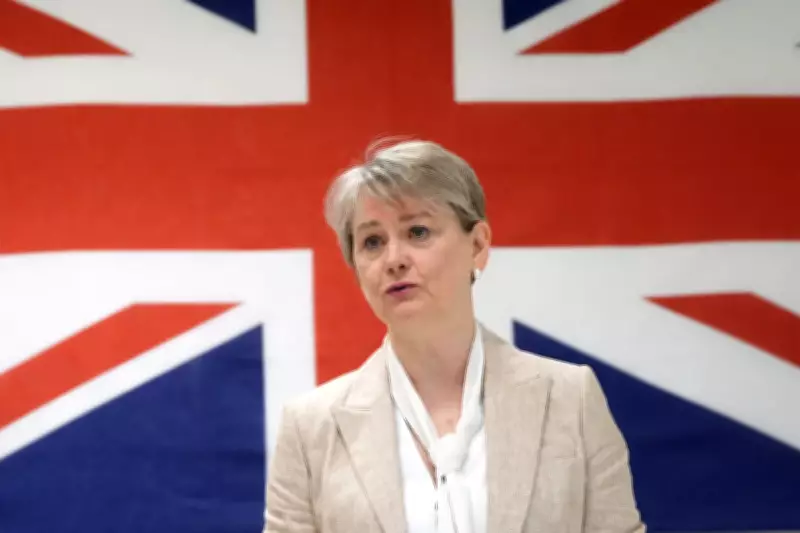
Foreign Secretary Cooper Flies to Gulf in Show of Solidarity Amid Iranian Bombardment
The Foreign Secretary's visit to Saudi Arabia represents the first journey to the region by a United Kingdom minister since the outbreak of war at the end of February. Yvette Cooper arrived in Riyadh on Thursday in a powerful demonstration of solidarity with Britain's Gulf allies, as Iran persistently fired missiles and drones at neighbouring nations.
Immediate Security Concerns and Diplomatic Discussions
Cooper's arrival coincided with heightened security alerts, occurring mere hours after Saudi Arabia announced it had successfully shot down one drone targeting the capital's diplomatic quarter and another heading towards an eastern oil field. The Foreign Secretary's agenda is expected to focus extensively on British cooperation with Gulf states to address the escalating crisis and manage the consequential impact of surging oil prices on global markets.
"The situation in the Middle East remains highly volatile, and our priority is the safety and security of British people, alongside supporting our partners across the region who face continuing strikes," Cooper stated emphatically. "This is why it is so important for me to be here in Saudi Arabia – an essential partner for the UK in the Gulf who have been targeted by reckless attacks by the Iranian regime, and who have supported British nationals to come home and who are working to maintain energy security and supply."

Consular Efforts and Evacuation Challenges
During her visit, Cooper is also anticipated to formally thank Saudi authorities for their crucial assistance in helping British nationals evacuate from the Gulf region. While commercial flights have continued operating from Saudi Arabia throughout the crisis, despite intermittent closures of Riyadh's airport, significant challenges persist for UK citizens stranded elsewhere.
Some Britons trapped in Kuwait and Bahrain, where airspace remains completely closed, have undertaken arduous overland journeys to exit the region via Saudi Arabia. However, a considerable number are believed to remain in Qatar, where repatriation flights are technically available but securing a seat has become increasingly difficult. The impending Eid celebration is further reducing flight availability from Riyadh, exacerbating the situation.
Disturbingly, some UK nationals now report dwindling supplies of essential medication and financial resources as their stay in the region extends beyond initial expectations. On Thursday, Cooper personally visited staff at the British embassy in Riyadh to express gratitude for their relentless work assisting British nationals throughout the Gulf.
Rapid Deployment and Economic Implications
These embassy personnel include members of the Foreign Office's rapid deployment team, which was scrambled to the region immediately after the war began to bolster consular efforts. To date, approximately 63,000 British nationals have successfully returned from the region, which Cooper described as a "huge tribute" to the consular team's dedication and effectiveness.
Meanwhile, economic concerns continue to mount as the cost of living remains a pressing issue following oil price volatility. Prices jumped above 100 dollars per barrel again after Iranian attacks targeted ships in the strategically vital Strait of Hormuz. Although oil prices have since retreated slightly, they remain stubbornly high in the upper 90s, threatening to fuel higher inflation levels both regionally and globally.
The Foreign Secretary's mission underscores the UK's commitment to regional stability and the protection of its citizens abroad, while navigating complex diplomatic and economic challenges posed by ongoing Iranian aggression.