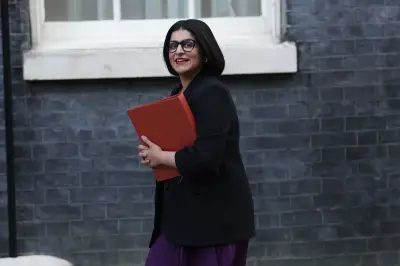
A Cabinet minister has challenged a BBC radio presenter over the UK-EU deal, asking whether he is an "expert" after he said he did not believe her defence of it. Dame Angela Eagle hit back at BBC host Justin Webb when he said he did not believe her that the deals agreed at Friday's UK-EU summit are not at risk over a row over tuition fees.
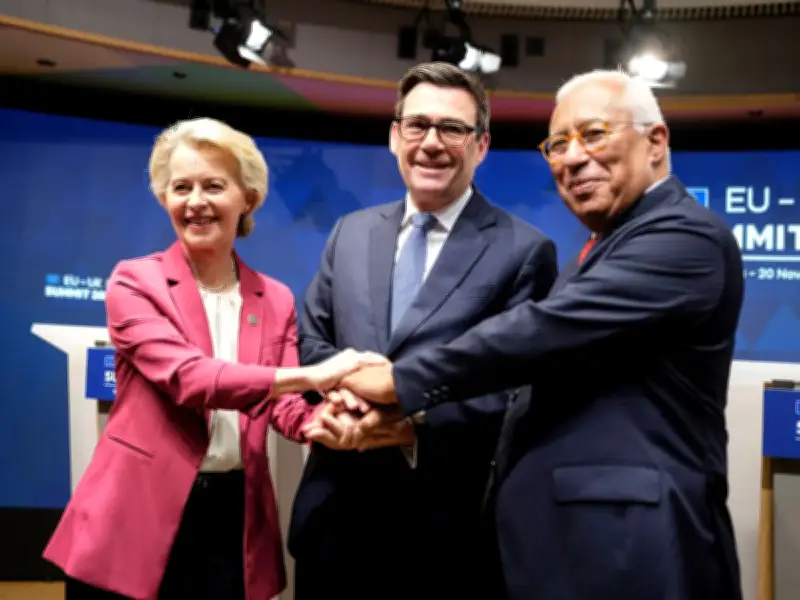
The Environment Secretary, who attended the summit in Brussels, insisted EU calls for European students to have a fees cut when studying at a UK university will not derail the already agreed pacts. Andy Burnham on Friday secured three deals with the EU on food and drink trade, carbon emissions and a reciprocal youth mobility scheme allowing 100,000 young Europeans a year to work and study in the UK.
Tuition fees row threatens deals
But negotiations on tuition fees have been extended with a six-month deadline after diplomats failed to come to an agreement. The row led to doubts being raised in Brussels about whether the rest of the deal would be implemented unless the UK gives in to the EU's demands.
Foreign Secretary Ed Miliband on Saturday said it was "absolutely clear" the agreements would stand and that legislation will be introduced next week to implement them. He said European Commission president Ursula von der Leyen was clear "there are those three agreements and then there's a separate piece of paper and a separate issue, which is looking at the issue of tuition".
Minister defends summit deals
Pressed on whether the three deals could be jeopardised if there is a disagreement on tuition fees, Dame Angela told BBC's Today programme on Saturday: "Everyone in the talks is telling you what's been done, and you're saying you don't believe it." When Mr Webb said "I am - for this reason...", she cut in: "You're the expert then, Justin."
Continuing, the host said European officials have told him that the deals she says are finalised are dependent on a tuition fees agreement down the end. "The fact is that there are plenty of Europeans behind the scenes who say no, this fees thing is so important to them that it will have to happen," he said.
Dame Angela said: "I have to say that negotiations will go on. We've said that, but meanwhile, both the EU and the UK will concentrate on putting into practical effect the really positive and important deals that were agreed yesterday."
Funding concerns for universities
Told that universities are worried about funding issues if they have to cut fees for EU students, Dame Angela said he would have to be "patient" while talks are ongoing. She said: "My colleagues in both the treasury and in the education sector will do the same kind of work that I have just done in the farming and food sector, as the negotiations continue, and you'll just have to be patient because these things take time."
EU member countries have been pushing for reduced university fees for students studying in the UK. Negotiators wanted EU students to pay the same level as British students, which would mean a cut from fees of up to £38,000 a year to £9,970. The UK has resisted because of the financial impact it would have on universities.
Vivienne Stern MBE, Chief Executive of Universities UK, said: "Currently, universities must subsidise the cost of teaching UK students and there is no public funding for international students. It is vital that any agreement meets the full cost of delivery and recognises the financial impact on universities."