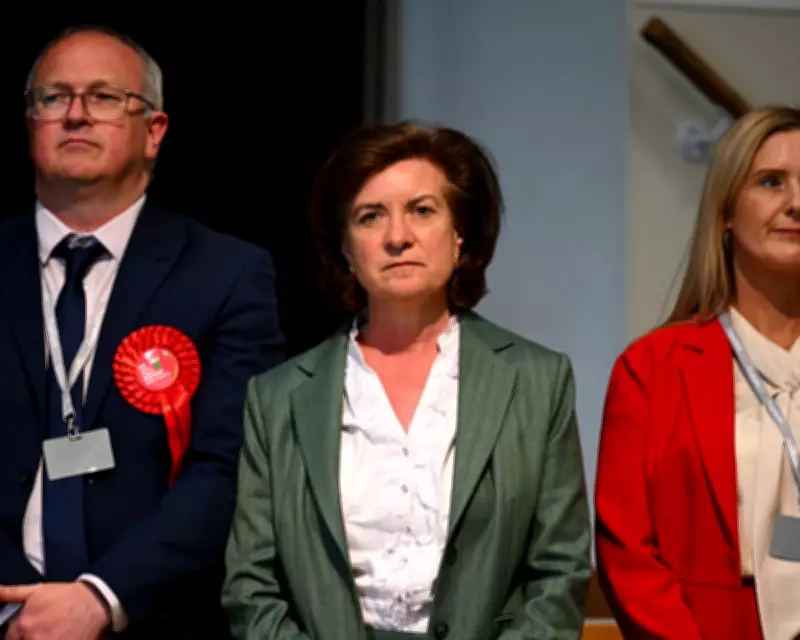
Former first minister Eluned Morgan became the first leader of a government in the UK to lose their seat while in office, as Welsh Labour suffered a historic collapse in the Senedd elections. The party, which had dominated Welsh politics for over a century, limped into third place with just nine seats in the 96-seat parliament. Pro-independence Plaid Cymru is now set to form a minority government, marking a new chapter in Wales's political and cultural history.
An Astonishing Collapse
Labour's defeat was even more total than the most pessimistic predictions. For more than 100 years, Welsh Labour was the democratic world's most successful election-winning machine, but the political behemoth was "absolutely mullered," according to Richard Wyn Jones, director of the Wales Governance Centre at Cardiff University. "For those of us who've only known Labour domination… the fact that it could collapse with such dramatic completeness – it's quite hard to convey the shock. It was just astonishing." Labour previously never held fewer than 26 seats in a 60-seat chamber, but in the newly expanded Senedd, it returned just nine members.
Reasons Behind the Defeat
Several factors contributed to Labour's downfall. The party had an incumbency issue, having managed public services for nearly 30 years, with Wales falling behind other UK nations in poverty, education, and NHS performance despite significant spending increases. Prime Minister Keir Starmer's unpopularity also dragged down Welsh Labour, preventing the Cardiff Bay administration from blaming the Conservatives for perceived failings. Starmer warned his cabinet against "overly deferential relations" with devolved governments, and last year, 11 Labour Senedd members wrote to him accusing his administration of "deeply insensitive" treatment of Wales and "constitutional outrage" over devolution promises.

Eluned Morgan's Resignation
First Minister Eluned Morgan cut a tragic figure as results were announced in her west Wales constituency of Ceredigion Penfro, where three of six seats went to Plaid Cymru, two to Reform, and one to the Conservatives. She immediately resigned, saying, "I am proud of what Welsh Labour has achieved for this nation over so many years… But the people of Wales have rejected us and we owe it to the people of Wales to listen. To understand. And to rebuild." Ken Skates, MS for Fflint Wrecsam and former cabinet secretary for transport, will serve as interim leader.
Rebuilding the Party
Welsh Labour will elect a new leader in the coming weeks, but the contest will reflect the scale of its defeat. There are only nine members to choose from, as the leader must be a Senedd member and nominees need the backing of 20% of MSs. Laura McAllister, a professor of public policy at Cardiff University, said the party must be "more muscular about its Welshness" to survive, noting a steady increase in people who see themselves as Welsh only or Welsh first and British second. "If [Labour] want to capture that group, they need to show again that they are different to UK Labour, with their own identity and agenda, as in the early days of devolution and the 'clear red water'," she added.
Alun Davies, a long-serving Labour MS who lost his seat in Blaenau Gwent, told Channel 4 News that the defeat was "manufactured in Downing Street" by Starmer's "disregard" for Wales. "This is not simply midterm blues or a protest vote. This is a very deep turning away from a party that people have felt almost a cultural attachment to for more than a century," he said. Another Labour source added, "This result has been a long time coming. On the doors, people felt let down by the Welsh government's handling of the NHS and education. We have to take responsibility for that."