Twenty-eight years after the Good Friday Agreement brought peace to Northern Ireland, public faith in the region’s devolved government has plummeted amid chronic feuding between the main parties and crumbling public services. An opinion poll in January found that only one in four people believed the power-sharing executive had improved their lives.
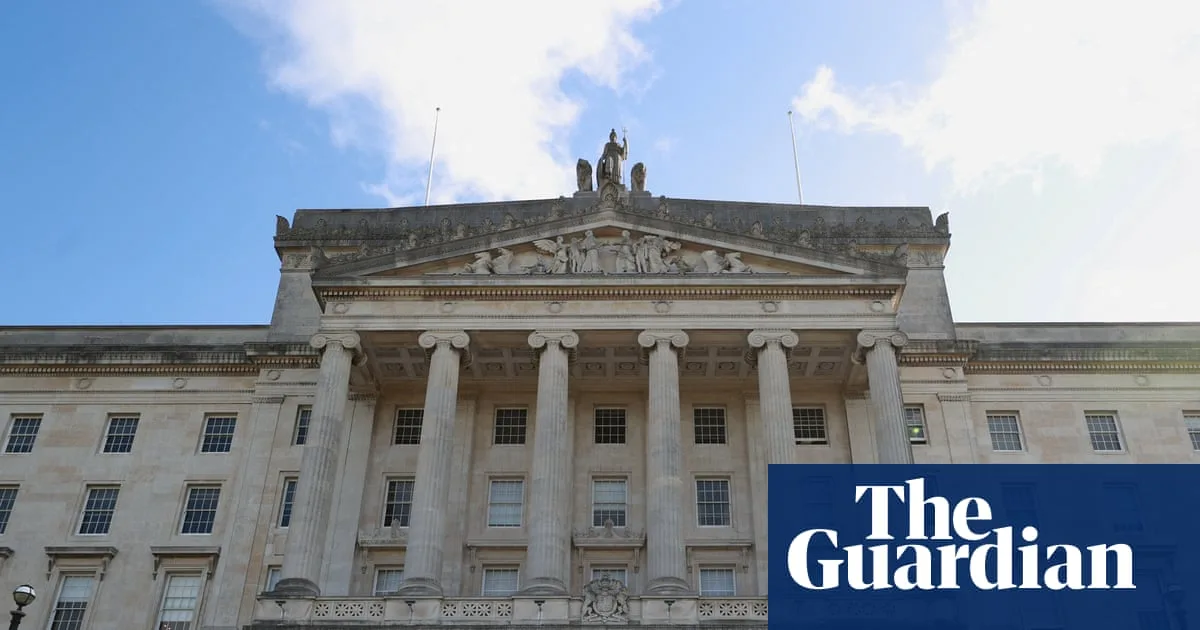
The Stormont estate has become synonymous with dysfunction. Sinn Féin and the Democratic Unionist party (DUP) are locked in a cycle of deadlock that has hindered legislation and governance. Claire Hanna, leader of the Social Democratic and Labour party (SDLP), said: “There is nobody really in charge. There is no strategy. Nobody’s taking even a medium-term sense of control or direction.”
The region’s health service is in crisis, with emergency services overstretched and patients facing some of the longest waiting times in the UK. Roads are crumbling, water infrastructure is near collapse, and pollution has turned Lough Neagh—which supplies 40% of drinking water—into a fetid lake plagued by antibiotic-resistant superbugs.

Andrew Muir, the environment minister from the centrist Alliance party, said the Good Friday Agreement was a historic achievement but that Stormont was failing to deliver practical benefits. He criticised the power-sharing framework for enabling parties to block previously agreed policies, such as the establishment of an independent Environmental Protection Agency. “Far too often the institutions as they’re designed incentivise and enable crisis and collapse and deadlock and delay rather than collaboration and consensus,” he said.
The assembly has passed just 12 bills since its reinstatement in February 2024, most of which were housekeeping. Assembly members drew scorn by approving a pay rise that will increase annual salaries from £53,000 to £67,200. Malachi O’Doherty, author of How to Fix Northern Ireland, said the core problem was that 80% of voters vote along tribal lines. “No political party gets penalised for poor performance,” he said.
Relations between the DUP and Sinn Féin have soured, with ministers feuding over job titles, the Irish language, commemorations and street signs. The assembly speaker, Edwin Poots, faced criticism for taking an all-expenses-paid trip to Barbados while the assembly was in session. The Good Friday Agreement remains a beacon of peace, but its political legacy is increasingly tarnished by stagnation and disillusionment.