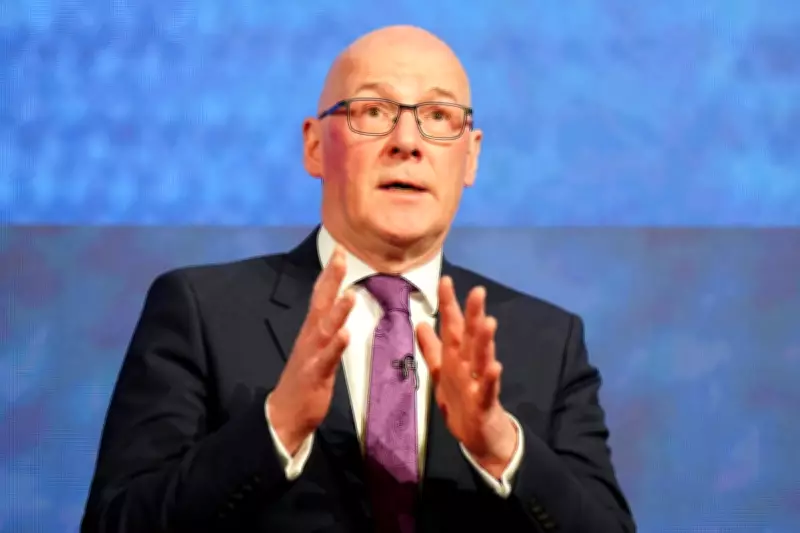
Scottish First Minister John Swinney has publicly stated his ambition to "press on" with an independence referendum as early as 2028, provided his party, the SNP, secures a majority in the upcoming Holyrood elections scheduled for next month. In an interview with the Sunday Times, Swinney outlined his "expectation" for such a vote, emphasising a desire to move forward "as quickly as possible" should electoral success be achieved.
Timeline and Feasibility of Independence
Swinney further asserted that Scotland could feasibly become an independent nation within 18 months following a successful referendum outcome. He based this projection on historical precedents, specifically referencing the timetable established by former First Minister Alex Salmond ahead of the 2014 independence referendum. "It's achievable because of the experiences and timescales we had before," Swinney explained. "We had a referendum in 2014, following an election in 2011, and the expectation was that by 2016 Scotland would be an independent country. So I think that's all eminently reasonable."
Political Reactions and Criticisms
The announcement has sparked significant political backlash, particularly from opposition parties. Scottish Conservative leader Russell Findlay condemned Swinney's remarks, stating they "make it crystal clear that he's deadly serious about breaking up the UK and it would be naive to think otherwise." Findlay expressed concern that a potential SNP majority could lead to Labour Prime Minister Sir Keir Starmer capitulating to referendum demands, accusing Labour of being "too weak to stand up to Swinney." He also noted that Reform UK, led in Scotland by Malcolm Offord, appears "relaxed about another divisive referendum."

In response, Scottish Labour deputy leader Jackie Baillie dismissed Swinney's focus on independence as a "flimsy pretence" to divert attention from the SNP's governmental record. "This is a desperate attempt by John Swinney to avoid talking about the SNP's shameful record in Government and embarrassing lack of ideas for the future," Baillie asserted. She accused the Conservatives of engaging in the SNP's narrative to regain relevance, while positioning Labour as the party focused on practical issues like NHS protection, youth opportunities, and economic reform.
Swinney's Electoral Confidence and Historical Context
Despite the SNP's electoral setbacks under Swinney's leadership—including losses in Westminster 2001, Holyrood 2003, European Parliament 2004, and the 2024 general election—the First Minister remains optimistic about the upcoming Holyrood contest. "Obviously I want to go into this election with the objective of winning it," he stated, adding that the party is "in a very strong position to do so." Reflecting on his tenure since taking over in May 2024, Swinney highlighted a turnaround in opinion polls: "When I came in the door in May 2024, the SNP was well behind in the opinion polls and now we're well ahead. And that's happened under my leadership."
The debate over Scottish independence continues to dominate political discourse, with Swinney's comments reigniting tensions ahead of the critical Holyrood elections. As parties gear up for the campaign, the focus remains split between constitutional aspirations and day-to-day governance issues, setting the stage for a contentious electoral battle.