

Starmer Government Considers Student Loan Interest Rate Overhaul Amid U-Turn Speculation
Prime Minister Keir Starmer has indicated a potential policy shift on Wednesday, suggesting a climbdown over the controversial interest rates applied to student loans. This development could mark the fifteenth significant U-turn by his administration on fiscal matters, as the government faces mounting pressure to reform what critics describe as a punitive system.
Growing Pressure for Fairer Student Loan Terms
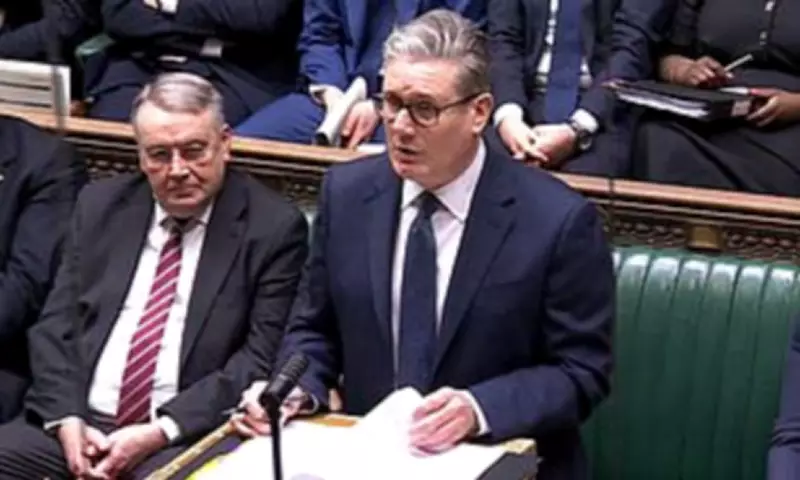
During a session in the House of Commons, the Prime Minister stated that ministers are actively examining methods to make the student loans framework fairer. This announcement follows a substantial public outcry regarding the crippling charges that many graduates contend with, particularly those tied to the outdated Retail Prices Index measure of inflation.
Whitehall insiders have revealed that proposals under consideration include moving away from the RPI benchmark when calculating loan interest charges. This potential adjustment comes merely days after Conservative MP Kemi Badenoch unveiled Tory proposals aimed at slashing interest payments on student loans, highlighting cross-party concern over the issue.

Budget Announcement Intensifies Backlash
The backlash against the current student loans system has intensified significantly since the Budget presentation. Chancellor Rachel Reeves announced a freeze on the repayment threshold at £29,385 for three years, a decision that has sparked considerable discontent among students and graduates alike.
Despite the Chancellor's insistence last month that the student loans system remains fair and reasonable, Prime Minister Starmer contradicted this stance in the Commons, asserting that ministers would now look at ways to make it fairer. This shift in rhetoric underscores the political sensitivity surrounding education finance.
System at Breaking Point According to Critics
In the Commons debate, Mrs Badenoch declared that the student loans system has reached a breaking point, urging collective action to address the crisis. The Prime Minister countered by claiming that the Conservatives had broken the loan system during their tenure, positioning the current review as a necessary corrective measure.
While Starmer confirmed that ministers are exploring options to alleviate the financial burden on borrowers, he repeatedly declined to specify what concrete actions might be taken. This ambiguity has fueled speculation about the nature and timing of any potential policy changes.
Anger Over Plan B Loan Rates
Public anger has been steadily mounting over the high interest rates associated with so-called Plan B loans, which were introduced by the Coalition government. Under this system, interest is charged at the rate of RPI inflation plus up to three percent, depending on the borrower's salary level.
Many former students report that their debt continues to rise despite holding well-paid positions, creating a sense of financial entrapment. The maximum interest rate currently stands at 6.2 percent, nearly double the 3.2 percent inflation rate recorded in September 2025.
Interdepartmental Discussions Underway
The Treasury and the Department for Education are engaged in discussions regarding potential reforms. Options under consideration include reversing the threshold freeze implemented in the Budget or lowering the interest rate applied to student loans.
During a question and answer session with online influencers, Sir Keir acknowledged that the scale of student debt could put some people off going to university, highlighting broader concerns about accessibility and equity in higher education.
This potential policy reversal represents a significant moment for the Starmer Government, as it navigates the complex intersection of fiscal responsibility, educational access, and political credibility. The outcome of these deliberations will be closely watched by students, graduates, and political observers across the nation.






