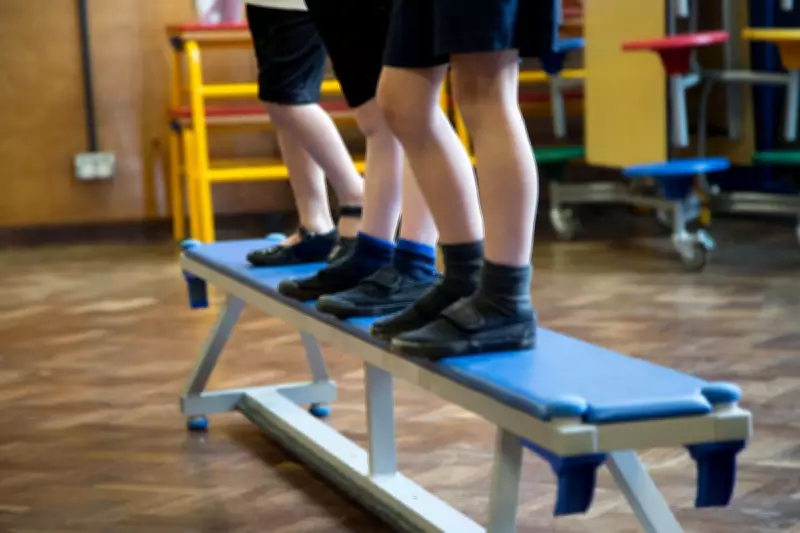
School PE Trauma Haunts Mid-Lifers, Age UK Poll Reveals
A significant new poll has uncovered that negative memories from school physical education classes are preventing millions of mid-life adults from engaging in regular exercise. The research, commissioned by the charity Age UK, indicates that past experiences in sports education continue to cast a long shadow over physical activity participation in later years.
Poll Reveals Widespread Negative Impact
The comprehensive survey, conducted by Yonder among 2,385 UK adults aged between 50 and 65, delivered striking findings about the lasting psychological impact of school sports experiences. According to the data, more than a quarter of respondents (28%) reported that school PE lessons had put them off exercise and sports completely, with many describing this effect as being "for life."
Even more concerning, the research found that 29% of those surveyed still feel genuinely traumatised by their memories of school physical education classes. The poll revealed specific painful recollections that continue to affect people decades later, including 40% who vividly remember being consistently picked last for teams during school sports activities.

An equal proportion of respondents (40%) reported being haunted by memories of feeling body conscious during school activity classes, suggesting that self-image concerns developed in youth continue to influence exercise habits well into middle age.
Olympian Support for New Campaign
In response to these troubling findings, Age UK has launched a significant new campaign aimed at encouraging people to embrace physical activity in later life through inclusive classes and accessible activities. The initiative has received strong backing from prominent Olympians, including Dame Kelly Holmes and Sally Gunnell, who have shared their perspectives on the importance of exercise beyond competitive achievement.
Dame Kelly Holmes emphasised the broad benefits of physical activity, stating: "The benefits of sport and exercise are endless. It doesn't matter whether you're a professional athlete competing on a world stage, or a busy parent who has just managed to carve out a few hours for yourself one evening a week to head along to your local netball group."
She continued: "It's about self-care, making new connections, feeling team spirit, supporting mental health, getting outside and feeling strong and capable for as long as possible. It might feel like a small thing, or a task that can be shoved to the bottom of a never-ending to-do list, but trust me – it can make a world of difference."
Sally Gunnell added her voice to the campaign, noting: "For me, being active has always meant far more to me than medals or podiums. It's about feeling strong in your body, clear in your mind and connected to the people around you. You don't have to be an athlete to get moving and it doesn't have to feel daunting."
Gunnell highlighted the variety of options available: "There are so many options out there from local exercise classes, to badminton and bowls, and cricket to pickleball, there has never been a better time to make your next move to step towards a healthier later life, and a small step today can make a real difference to how you feel tomorrow."
Addressing Psychological Barriers
Paul Farmer, chief executive at Age UK, provided insight into the psychological barriers identified by the research. He explained: "Our research shows that millions of mid-lifers feel held back by past sports memories. Challenging PE lessons, worries about judgment and feeling self-conscious, can make physical activity feel out of reach – and can feel like something 'only young people do.'"
Farmer outlined the charity's approach: "With Act Now, Age Better, and the support of our many sporting partners, our aim is to create inclusive, enjoyable opportunities that genuinely meet people where they are."

The campaign represents a significant effort to overcome the negative legacy of school physical education experiences and promote a more positive, accessible approach to exercise for adults in their middle years. By addressing both the psychological barriers and providing practical, inclusive alternatives, Age UK hopes to transform attitudes toward physical activity among those who have been discouraged by past experiences.