

Australian Minister Warns of Social Cohesion Risks from Religious Schools and Homeschooling
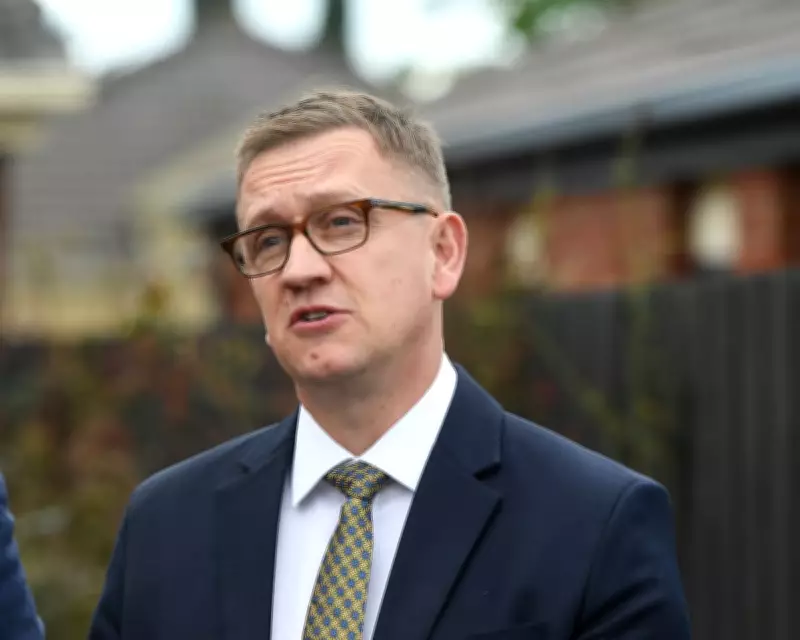
In a significant address scheduled for Wednesday, Julian Hill, the Assistant Minister for Citizenship, Customs and Multicultural Affairs, will highlight growing concerns over educational trends that may undermine social cohesion in Australia. The Labor MP will argue that an increase in faith-based schools and homeschooling could prevent children from mixing with peers from different cultural and religious backgrounds, potentially leading to fragmented communities.
Rising Trends in Faith-Based and Homeschool Education
According to Hill, recent data shows a notable shift in Australia's educational landscape. Since 2015, 320 new Catholic and independent schools have opened, compared to only 279 new government schools. Last year, the proportion of students attending religiously affiliated schools reached 33.9%, representing approximately 1.4 million children. Hill warns that if these trends continue, steady growth in faith-based institutions—including Christian, Muslim, Jewish, Hindu, and Sikh schools—could further isolate students.
Simultaneously, homeschooling registrations have surged dramatically over the past five years. Queensland has seen a 232% increase, New South Wales a 116% rise, and Victoria an 85% uptick. Hill expresses particular concern about reports of extreme or conservative curricula being used in some homeschooling settings, questioning what is being taught and whether these children are engaging with broader society.

Proposals for Promoting Intercultural Connections
In his speech to the McKell Institute, Hill will propose new initiatives to foster better mixing among Australian children from diverse backgrounds. He suggests looking to Singapore as a model, where deliberate policies and "co-curricular" activities bring students from different schools together for sports and social events. Hill emphasizes that education should not militate against intercultural connections but rather strengthen them through extracurricular engagements.
Hill, a graduate of a religious school himself, clarifies that he is not arguing against faith-based education. Instead, he raises questions about whether additional efforts are needed to build "bridging capital" between communities. He believes that well-executed intercultural initiatives can reduce prejudice, combat social polarization, enhance integration, and build resilience against hate-based violence and misinformation.
Broader Political and Social Context
Hill's speech comes amid heightened national discussions on social cohesion, following the first hearing of the royal commission on antisemitism and social cohesion, which was sparked by the Bondi terror attack in December. The minister also criticizes political rhetoric that inflames community tensions, specifically targeting One Nation leader Pauline Hanson and the party's candidate Stuart Bonds for incorrect claims about Muslim men visiting a mine site.
Hill accuses the Coalition of shifting to the right, thereby fueling One Nation's rise, and warns that inflammatory statements about the Islamic community are "playing with fire." He reiterates the core promise of Australian multiculturalism: ensuring everyone gets a fair go, regardless of background or identity.
Ultimately, Hill's address calls for a reflective approach to educational policies, urging policymakers to consider how extreme curricula and segregated schooling environments might impact long-term social harmony. By promoting inclusive activities and intercultural dialogue, he aims to safeguard Australia's multicultural fabric against growing divisions.






