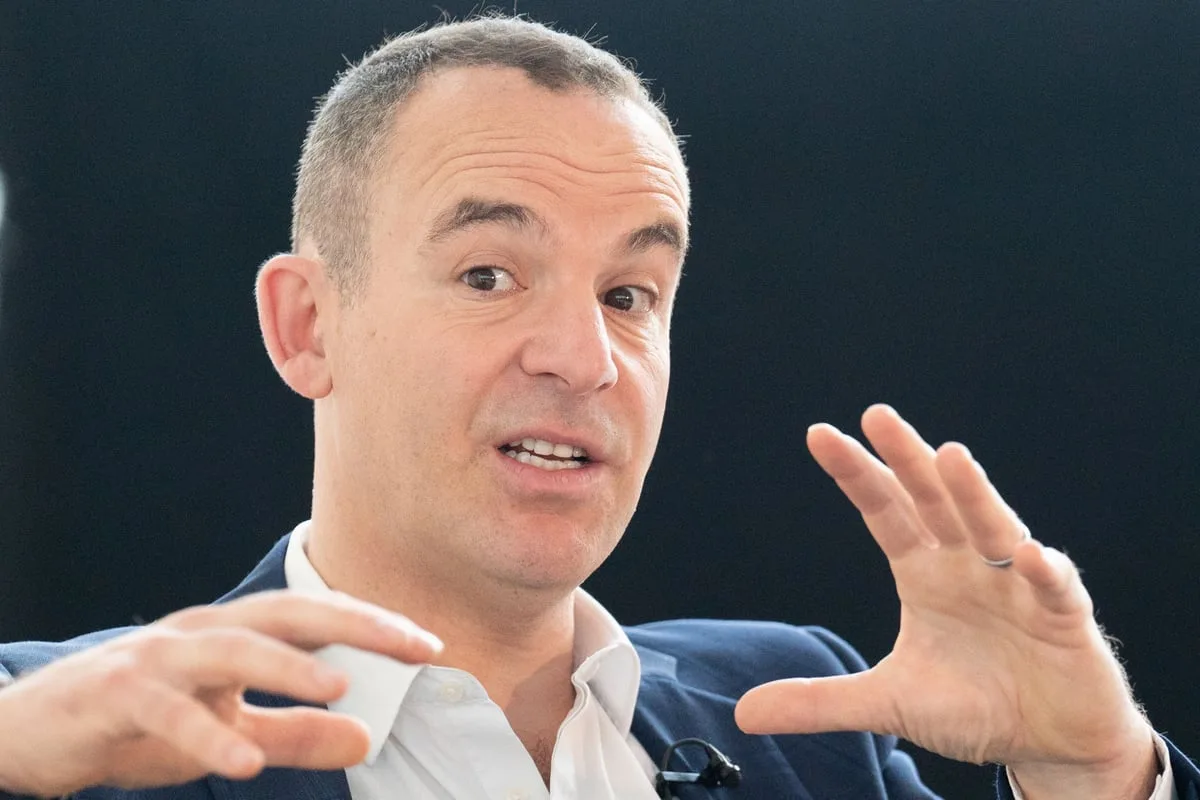
Martin Lewis Apologises for 'Gate Crashing' Kemi Badenoch's ITV Interview
Martin Lewis Apologises for 'Gate Crashing' Badenoch Interview

Financial expert Martin Lewis has issued a public apology to Conservative Party leader Kemi Badenoch after what he described as "gate crashing" her live television interview on ITV's Good Morning Britain programme. The unexpected confrontation occurred on Monday morning, sparking a heated exchange about the UK's student loan system and proposed Conservative reforms.

An Unexpected On-Set Debate

Ms Badenoch was being interviewed on the popular morning show when Mr Lewis, who was waiting to appear for a scheduled segment about student loans, walked onto the set and initiated a spontaneous debate. The two engaged in a robust discussion about Conservative proposals to address what both described as fundamental problems with the current student loan framework.

"I'm the first person who's even trying to solve this problem," Ms Badenoch told Mr Lewis during their exchange. "I want to make sure that those young people, who are paying and paying, and their debt is not going down, get relief. If you think there is a better offer, let's look at it... the whole student loan system is not working properly, someone has to do something."

Wide Pickt banner — collaborative shopping lists app for Telegram, phone mockup with grocery list

The Core of the Student Loan Dispute

At the heart of their discussion were Conservative plans to restrict interest on Plan 2 student loans to the Retail Prices Index (RPI) only, rather than the current system of RPI plus up to 3% depending on graduate earnings. Plan 2 loans were issued to students in England and Wales who began university between 2012 and 2023.

Mr Lewis argued forcefully that focusing on interest rates alone would not address the most pressing financial burden facing graduates. "If you want to help the middle earning students, the most important thing is the repayment threshold should have been increased," he told Ms Badenoch during their televised exchange.

The financial journalist elaborated that lowering interest rates would primarily benefit higher-earning graduates who could clear their loans within the standard 30-year repayment period, while lower and middle-income graduates would see minimal advantage from such changes.

Post-Debate Reconciliation

Following the programme, Mr Lewis took to social media platform X to offer his apologies directly to the Conservative leader. "Dear @KemiBadenoch, apologies for gate crashing your @GMB interview today," he wrote. "Student loans are so life-impacting that I wanted to ensure the key point was made – that financially, if not psychologically, the repayment threshold is a bigger issue than the interest."

He added: "Thank you for being so courteous after the interruption – you handled it far better than I would have the other way round. I have asked my office to request a meeting, if you are available, to discuss this more calmly."

Ms Badenoch responded graciously, writing: "Hi @MartinSLewis, thank you. I really appreciate that, and honestly, don't worry. I do love a feisty debate! It helps people understand what the real issues are."

Shared Concerns About Student Debt

Remarkably, despite their political differences and the spontaneous nature of their debate, both figures expressed substantial agreement about the fundamental problems with the current student loan system. Ms Badenoch revealed her personal experience with student debt, noting: "You and I agree on the principle: student loans have become a scam. It took me eight years to pay mine off. I made my last payment in 2011, and I remember how happy I was, and my debt was only £14,000. I can't imagine what it's like to be a young person with £40,000 debt today."

She added: "Whatever the Coalition government brought in back in 2012, it's clearly not working for the world of 2026."

The Conservative leader extended an olive branch by expressing interest in continuing their discussion on Mr Lewis's own programme. "So I'd genuinely love to come on your show and debate my plan vs yours," she wrote, concluding with: "Looking forward to seeing you soon."

The Broader Context of Student Loan Controversy

Mr Lewis used his subsequent scheduled segment on Good Morning Britain to expand on his criticisms of current government policy regarding student loans. He particularly targeted Chancellor Rachel Reeves's plans to freeze the repayment threshold for Plan 2 loans for three years, a measure announced in the November budget.

Pickt after-article banner — collaborative shopping lists app with family illustration

"When they were given them in the first place, it was said that the repayment threshold, the amount you pay 9% above, would go up each year," Mr Lewis explained. "That is what students were told. Now what the Chancellor is doing by freezing that repayment threshold is a unilateral breach of contract. She is changing the contract in a negative way that affects students, or graduates now, which no commercial company would be allowed to do, which the regulator the FCA would strike down."

Structural and Moral Objections

The financial journalist outlined what he described as both structural and moral problems with the threshold freeze. "The really big problem with this is it's regressive," he argued. "Because lower and middle earning graduates will just pay more each year for 30 years and get nothing from it. Higher earning graduates will pay more each year until their loan is paid off so it will reduce the interest that they pay."

He continued with strong language: "Structurally, it's horrible, it's a breach of contract, it is not moral, Chancellor, you need to reverse that decision and give students what they were promised. The threshold needs to go up with average earnings."

Mr Lewis also addressed the psychological impact of the current system, acknowledging that many graduates feel trapped by ever-increasing debt. "It's psychologically horrible, the way we do student loans," he said. "And I understand why many people are out there going: 'My loan is going up and up, I'm never going to repay it'. The system was designed that most people wouldn't repay it... it's a graduate contribution, is what I would call it."

Proposed Solutions and Future Directions

Beyond criticising current policies, Mr Lewis offered specific suggestions for reform. "If you want students to benefit, you either have to reduce their actual debt, you could reduce their debt, that would make a difference, and still be slightly regressive... or you massively up the repayment threshold, that's what's hurting people, too much money going out of their pockets amidst a cost-of-living crisis."

He emphasised: "And the payment threshold is the key, which is why I'm so furious that the Chancellor is effectively lowering it by freezing it. But if you want to do it, you don't just undo the freeze, you put it up, so you repay 9% of everything above, let's say 40 grand. And then those people who have gained financially, got a graduate premium from their education, they would continue to pay, but those people who haven't wouldn't."

Mr Lewis also highlighted concerns about the newer Plan 5 loan system, noting: "For the Plan 5 loans, the new loans that students take out now, the repayment threshold is set not much above minimum wage... the system's a nightmare, it's a mess. We totally need to think about how we communicate it and change the actual amount people are paying."

Government Response and Broader Context

In a later social media post, Mr Lewis expressed concern that his debate with Ms Badenoch might distract from what he considers the most immediate problem. "I'm concerned that my debate with Kemi Badenoch this morning distracts from the most immediate problem," he wrote, reiterating his criticism of the threshold freeze as "effectively a unilateral negative breach of the student loan contract."

A Government spokesperson defended the current approach, stating: "We inherited the student loans system, including Plan 2, which was devised by the previous government. Threshold freezes have been introduced to protect taxpayers and students now, alongside future generations of learners and workers."

The spokesperson added: "The student finance system protects lower-earning graduates, with repayments determined by incomes and outstanding loans and interest being cancelled at the end of repayment terms. Since we were elected, we have been committed to supporting the aspiration of anyone who can and wants to attend higher education."

The unexpected clash between two prominent figures in British public life has brought renewed attention to the ongoing debate about student finance reform, with both participants expressing willingness to continue their discussion in a more formal setting despite the unconventional beginning to their exchange.




