

Labour MPs Escalate Pressure on Starmer to Fix 'Dog's Dinner' Student Loan System
Labour MPs have launched a fierce critique of Britain's student loan framework, branding it as "regressive" and piling pressure on Sir Keir Starmer to enact urgent reforms. The mounting discontent centres on the Plan 2 loan system, which has left countless graduates grappling with escalating debts they describe as profoundly unfair.
Mounting Outcry Over Spiralling Graduate Debt
The Plan 2 student loan mechanism has become a focal point of intense debate in recent months, sparking widespread outrage among young people. Many graduates argue that the financial agreements are predatory, with interest rates that cause debts to balloon rapidly. Campaigners have even likened the chancellor to a "loan shark" following the announcement of a three-year freeze on the repayment threshold. This freeze has forced some borrowers to repay significantly more than they originally borrowed due to the high-interest nature of the loans.
Education minister Bridget Phillipson recently pledged to "look at" Plan 2 student loans but stopped short of committing to concrete changes, citing widespread concerns over the associated costs. This hesitation has only fuelled further frustration within Labour ranks.

MPs Decry System as 'Frankenstein's Mess'
On Wednesday, Labour MPs ramped up the pressure during a Westminster Hall debate, demanding comprehensive reform of what they termed a "dog's dinner" system. Jas Athwal, Labour MP for Ilford South, who opened the debate, asserted that the system is "in urgent need of reform." He emphasised that mere tinkering at the edges is insufficient, calling for a fairer framework that does not burden millions with balances they may never clear.
Luke Charters, Labour MP for York Outer and a Plan 2 graduate himself, echoed these sentiments, describing the current setup as a "Frankenstein's mess." He highlighted how the spiralling interest rates are causing immense stress for students and stifling graduates' ambitions.
Calls for Radical Action, Including Debt Cancellation
Some Labour MPs are advocating for even more drastic measures. Richard Burgon, Labour MP for Leeds East, warned that the system is "breaking a whole generation" and called for a serious societal discussion about cancelling student debt altogether. He proposed that such a move would provide immediate relief to young people, suggesting that education should instead be funded through progressive taxation.
While Mr Athwal noted that the debate was not intended to scrutinise the entire process comprehensively, he urged ministers to "go away and have a real think about it," signalling a demand for substantive policy reconsideration.
Understanding the Plan 2 Loan Framework
Plan 2 loans were issued to individuals starting university in England and Wales between 2012 and 2023. Interest is charged at the rate of the Retail Prices Index (RPI) inflation, plus up to three per cent, depending on a graduate's earnings. Borrowers begin repayments in the April after graduation, paying 9 per cent of their income above a repayment threshold, currently set at £28,470.
Following Chancellor Rachel Reeves's November budget, the salary threshold for Plan 2 loan repayments is set to be frozen at its April 2026 level of £29,385 for three years, rather than increasing with inflation. It is scheduled to resume annual increases in line with RPI from April 2030.
Growing Public and Institutional Opposition
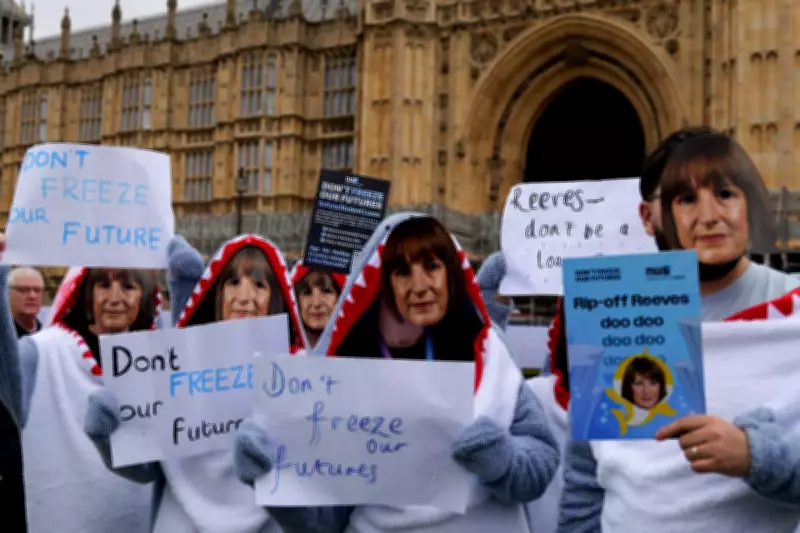
Earlier in February, the National Union of Students (NUS) rallied in Westminster, urging the chancellor to reverse the decision to freeze the repayment threshold for Plan 2 student loans. The government has defended its position, stating that it inherited the student loans system from the previous Conservative administration. Officials argue that threshold freezes are necessary to "protect taxpayers and students now, alongside future generations of learners and workers."
As the debate intensifies, the pressure on Sir Keir Starmer and his ministers to address what many see as a crippling financial burden on graduates shows no signs of abating. The calls for reform—or even outright cancellation—highlight a deepening political and social divide over the future of higher education funding in Britain.






