Guatemalan School Celebrates Kaqchikel Culture to Safeguard Indigenous Languages
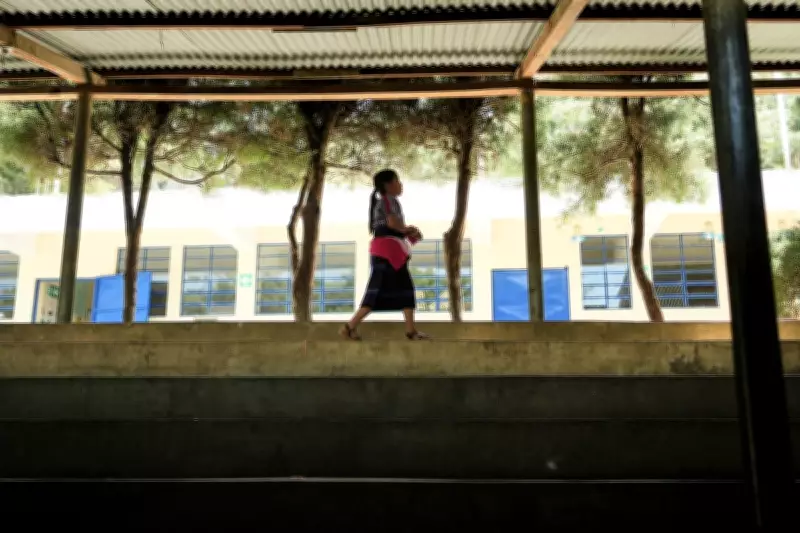
In a vibrant effort to conserve Indigenous languages, a school in Guatemala's western highlands recently hosted a special event featuring song and literature translated into the Kaqchikel language. This initiative aimed to foster pride and connection among students, with over 250 pupils participating in activities designed to highlight the importance of linguistic heritage.
Performance and Engagement
Singer-songwriter Sara Curruchich captivated the children with her performance in Kaqchikel, creating an instantaneous connection as students clapped and sang along. Curruchich noted that such events help recognize and celebrate linguistic identity, recalling her own childhood lack of exposure to Kaqchikel songs. The performance was part of a broader celebration ahead of International Mother Language Day, emphasizing the role of music in language preservation.
Literary Contributions and Translation Efforts
In addition to the musical performance, children took turns reading a Kaqchikel translation of What Makes Us Human by Victor Santos. This story, published in collaboration with UNESCO, Cholsamaj publishing house, and the Mayan Language Preservation Project, explores the value of mother tongues and their connection to ancestral generations. Gerson Mux, executive director of Cholsamaj, stressed the urgency of preventing language disappearance, which would entail losing cultural wisdom and ancestral links.
Focus on Endangered Languages
Mux highlighted that translation efforts are prioritizing all 22 Mayan languages spoken in Guatemala, with special attention to the four most endangered: Itza', Uspantek, Mopan, and Chorti. According to the Academy of Mayan Languages, a 2018 census indicated that over 6.4 million Guatemalans, approximately one-third of the population, speak a Mayan, Xinca, or Garifuna language. This underscores the critical need for preservation initiatives.
UNESCO's Role and Future Hopes
Cristina Puerta, chief of UNESCO Publications, explained in an email that the illustrated book was promoted to convey the powerful idea that language defines human essence. The project aims to raise awareness among younger generations about their linguistic inheritance and mobilize efforts to preserve it. Curruchich expressed hope that children will embrace their languages with love, becoming guardians to ensure that ancestral identity and roots prevail for future generations.