
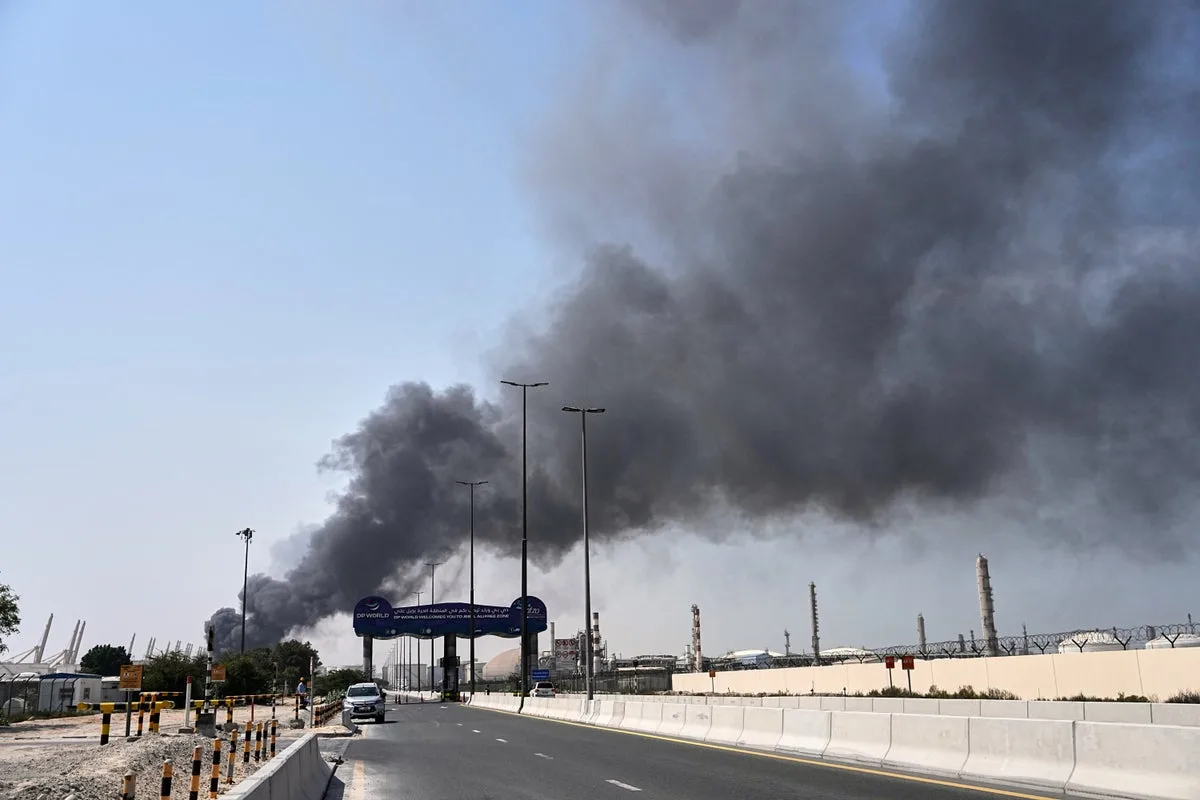
The US military is grappling with a steep learning curve in countering Iran’s drone warfare, as cheap swarms of Shahed drones continue to penetrate defences despite high interception rates. Since the outbreak of war on 28 February, Iran has launched over 2,000 drones, though General Dan Caine, Chairman of the Joint Chiefs of Staff, said Tuesday that the number of launches had fallen by 83%.
While the majority of Iranian drones are shot down, critics point out that expensive Patriot missiles—costing millions of dollars each—are often used to destroy drones worth only tens of thousands. In one incident, a drone strike killed six US soldiers at an operations centre in Kuwait. “We are crushing them… but if even one drone gets through and hurts an American, that is enough to warrant fixing the problem,” said Brett Velicovich, a former US Army drone operator and now drone manufacturer.
The US is now turning to more cost-effective methods, including attack helicopters and machine guns, as suggested by President Donald Trump. “Now we have low-cost interceptors effectively combating Iranian drones,” Trump said. The military is also deploying the Merops system, an AI-driven anti-drone drone proven in Ukraine, which fits in a pickup truck and operates even when communications are jammed.
Iran’s Shahed drones fly low and slow—at around 180 kph—but can travel up to 2,000 kilometres and carry 40 kilograms of explosives. Their ability to overwhelm air defences with sheer numbers has been demonstrated in Ukraine, where cheap one-way attack drones have proven highly effective. “There is going to be a learning curve,” said Brandon Blackburn, a former CIA targeting officer, stressing the value of Ukrainian expertise.
Pentagon officials have admitted in classified briefings that they have struggled to stop the waves of drones, leaving US troops and Gulf allies vulnerable. High-profile targets, including a Dubai skyscraper and regional airports, have been struck. Defence Secretary Pete Hegseth said last week that “thousands of Iranian missiles and drones have been intercepted and vaporised,” but conceded, “this does not mean we can stop everything.”




