US F-15E Strike Eagle Downed Over Iran in High-Stakes Mission
US F-15E Downed Over Iran in High-Stakes Mission

In the early hours of Friday morning, the two-man crew of a US Air Force F-15E Strike Eagle conducted their final pre-flight checks at Muwaffaq Salti airbase in north-west Jordan. The pilot advanced the throttles to full power, accelerating down the runway to embark on a fateful journey spanning over 800 miles into south-western Iran.

Mission Preparation and Deployment

Deployed from RAF Lakenheath in Suffolk last month as part of Operation Epic Fury under President Donald Trump, the American airmen had ample time to contemplate their mission. Their training included low-level flying exercises in South Wales and rigorous 'conduct after capture' drills in the Arizona desert. Confidence was bolstered by the US military's record of no aircraft losses to enemy fire since the conflict began, alongside claims of air dominance over Iran.

In-Flight Operations and Attack

Once airborne, the crew focused intently on their tasks. The pilot monitored engine performance, fuel status, and avionics while maintaining regular contact with command. In the rear seat, the weapons systems officer managed complex radar, sensor, and defence systems. The F-15E, capable of carrying up to 20,000lb of weapons including laser-guided bombs and missiles, cruised at over 1,800mph, reaching Iranian airspace in approximately 20 minutes.

Wide Pickt banner — collaborative shopping lists app for Telegram, phone mockup with grocery list

Officials reported the jet was heading towards the Strait of Hormuz when it was struck by a surface-to-air missile about 100 miles inside Iran. Tehran later claimed a new air defence system was responsible. The aircraft, lacking stealth capabilities, sustained damage, prompting the crew to eject using explosive charges in their seats.

Ejection and Hostile Territory

After a brief freefall, their parachutes deployed, landing them in the mountainous Kohgiluyeh and Boyer-Ahmad province, an area dense with oak forests and wildlife like wolves and leopards. Equipped with survival kits, pistols, and knives, the airmen activated personal locator beacons to signal distress. The pilot established contact with command, but the crew members were likely separated by miles.

Rescue Operation Under Fire

US military command immediately launched a search-and-rescue mission, briefing President Trump at the White House. Special Forces and Black Hawk helicopters scrambled from Basra in Iraq, accompanied by a C-130J Super Hercules as a mobile command centre. Indigenous groups in the area had been previously contacted for contingency support.

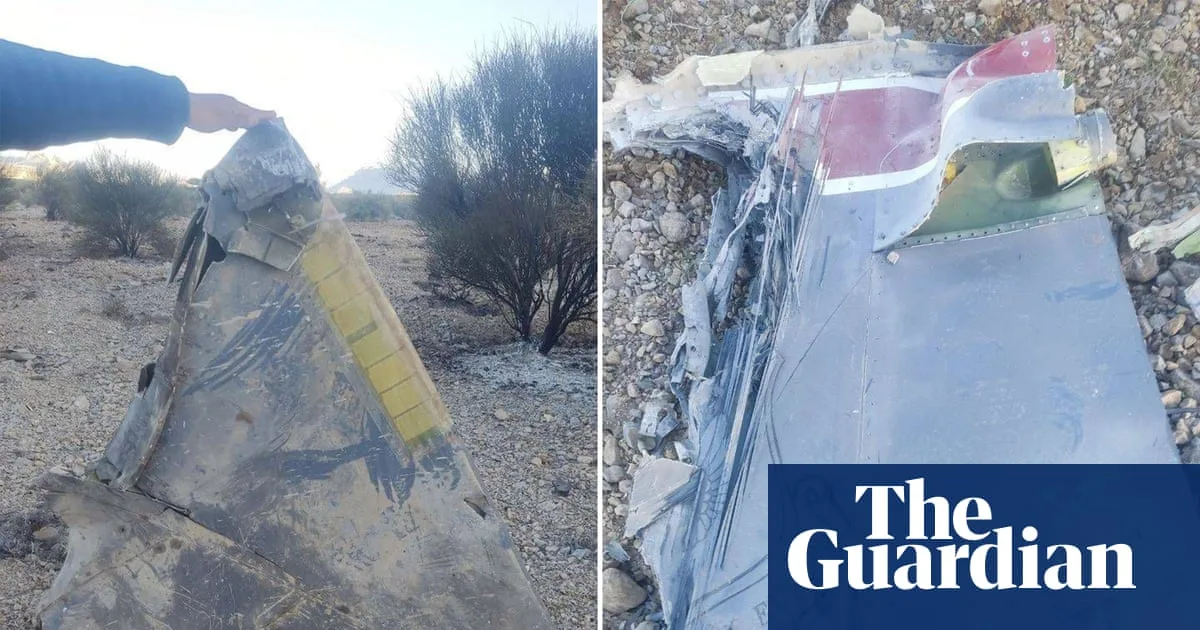
Iranians filmed the aircraft over Khuzestan province and shared wreckage images online, including wingtip and stabiliser sections. Justin Bronk of the Royal United Services Institute noted markings consistent with the 494th Fighter Squadron from RAF Lakenheath, though they had relocated to Jordan for the war.

During rescue attempts, Bakhtiari tribesmen opened fire with rifles, forcing Black Hawks and the C-130 to retreat. Video clips showed civilians in traditional dress shooting at low-flying aircraft, with one girl urging her father to "Hit it, Dad." A Black Hawk was hit by ground fire but escaped, and an A-10 Thunderbolt II was downed near the Strait of Hormuz, with its pilot rescued.

Para-Rescue Efforts and Outcomes

US forces located the pilot in Kohgiluyeh and Boyer-Ahmad province, but faced imminent threats from approaching Iranians. In a tense minutes-long operation, 'para-rescue jumpers'—members of a US Air Force unit with the motto 'These Things We Do That Others May Live'—reached the pilot under fire and extracted him to safety. A former squadron commander described the mission as "harrowing and massively dangerous," highlighting the unit's versatility as the "Swiss Army knives of the air force."

Para-rescuers, trained as combatants and paramedics through one of the military's toughest selection processes, have extensive experience from Iraq and Afghanistan, including the 2005 recovery that inspired the film Lone Survivor. The pilot was found in the Zagros mountains, home to large nomadic populations.

Pickt after-article banner — collaborative shopping lists app with family illustration

Ongoing Search for Second Crew Member

Iran has offered a £50,000 reward for the capture of the weapons systems officer alive, sealing off areas in the province for a painstaking search. With every passing hour, US forces face diminishing prospects of rescuing the second airman before Iranian forces apprehend him, adding to the mission's high stakes and uncertainty.




