
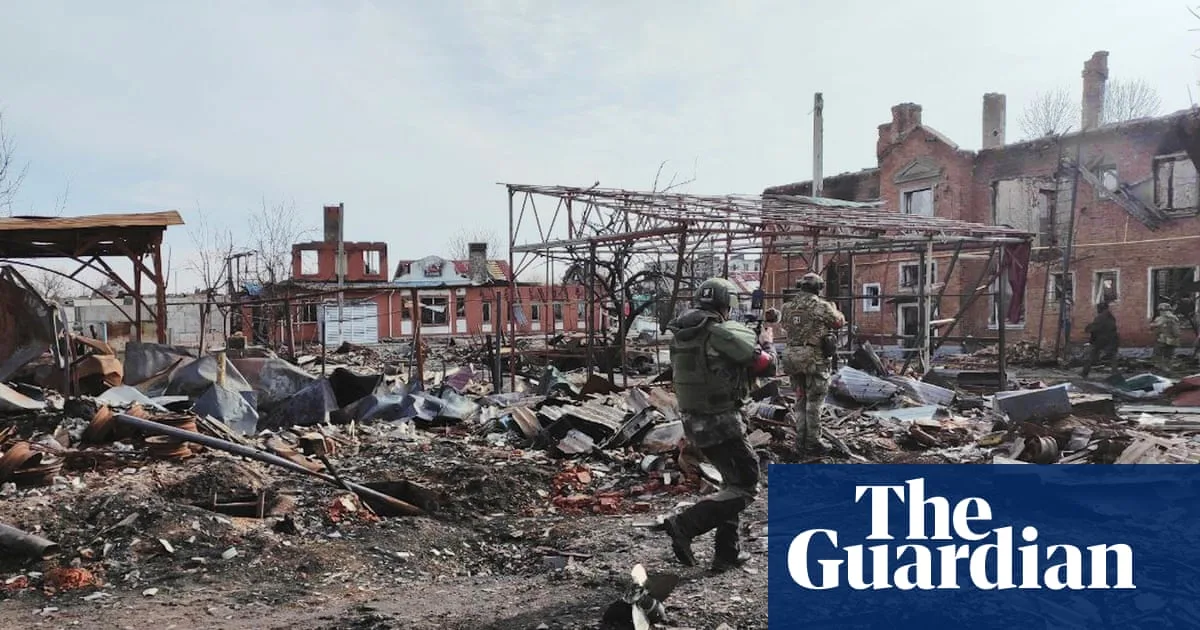
Ukraine's withdrawal from the Kursk region, completed in stages over the past two weeks, appears to end one of the most audacious operations of the conflict. The seven-month occupation of Russian territory, including the town of Sudzha, was the first foreign occupation of Russian land since World War II. Russia, with North Korean support, has now regained full control of Sudzha, and Ukrainian forces hold only a few remaining villages.
The operation achieved mixed results. Proponents argue it displaced fighting onto Russian soil and tied down elite Russian units. Critics contend it diverted Ukraine's best forces from the main front in Donbas, costing lives without tangible gains. Michael Kofman of the Carnegie Endowment noted that while Kursk forced Russia to use its best units, it also required significant Ukrainian elite forces to hold the pocket.
The incursion began last August, planned in secrecy to maintain surprise. Ukrainian troops overran Russian positions, capturing hundreds of prisoners and seizing sensitive documents left behind by fleeing officials. Within days, Ukraine controlled about 500 square miles. The initial goal was to create a diversion and draw Russian forces from Donbas, but success led to a prolonged occupation.
Russia's counteroffensive, now pushing into Ukraine's Sumy region, may shift the war's dynamic. President Putin has demanded a buffer zone near the border, suggesting a potential Russian offensive. This comes as the US pushes for a ceasefire. Analyst Volodymyr Fesenko warned that the Russian advance could boost Kremlin and army morale, complicating peace efforts.
Ukrainian soldiers retreated under constant drone attacks, often walking miles to reach safety. A special operations commander confirmed that all tasks are now defensive. The retreat strips Ukraine of a key bargaining chip in potential peace negotiations, as the war enters a new phase.




