
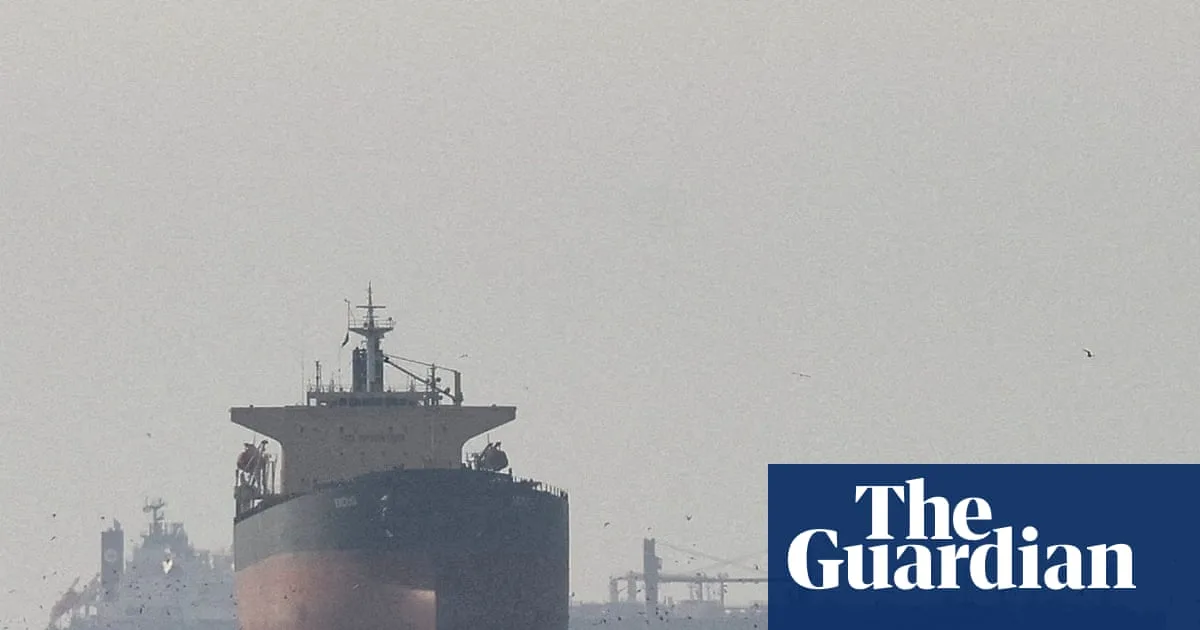
The UK has offered to host an international security summit to develop a “viable, collective plan” to reopen the Strait of Hormuz, as the economic fallout from the Iran conflict intensifies. Defence chiefs have been discussing how to unblock the vital shipping lane, through which about 20% of global oil supplies usually pass, amid the Middle East crisis unleashed by the US and Israel.
The Ministry of Defence has already sent military planners to US Central Command to explore options for getting tankers through the strait, which has been effectively closed by Tehran’s threat of retaliatory attacks. More than 30 countries, including the UAE, UK, France, Germany, Canada and Australia, have signed a joint statement agreeing to work on “appropriate efforts” to safeguard the waterway.
UK military chiefs have held talks with counterparts on securing the strait, including deploying minesweeping drones to the Gulf. This comes after Western countries rejected Donald Trump’s requests to send naval vessels while the conflict remains dangerous. A defence official said further military-to-military meetings are planned, potentially inviting additional nations, and anticipated a “strait of Hormuz security conference” in the near future.
The summit could be held in London or at navy headquarters in Portsmouth, according to the official, “in order to build this coalition and develop momentum so that as soon as the conditions are right, we’re able to open a safe route through the strait and provide that reassurance to merchant shipping”. Keir Starmer told the Commons liaison committee on Monday that there would not necessarily be a “quick and early end” to the conflict despite Trump postponing strikes on Iranian power plants.
The UK and its allies are pressing for swift de-escalation as concerns grow over deep economic damage while the strait is closed. Oil prices and government borrowing costs have risen sharply, with a knock-on effect on inflation. Labour MP Matt Western, chair of the joint committee on national security strategy, called the conflict “catastrophic military folly”, noting that about 20% of the world’s oil passes through the strait, which is now at a virtual standstill, causing energy prices to skyrocket.




