
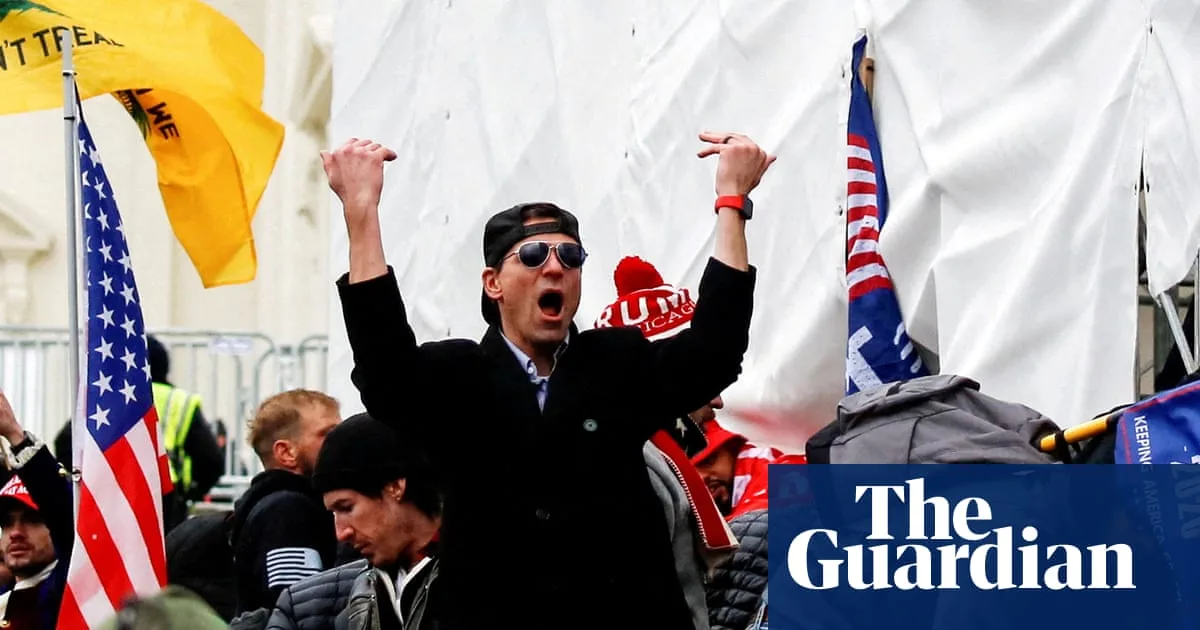
Five years after the deadly attack on the US Capitol, Donald Trump and other Republicans have engaged in a near-complete effort to rewrite the history of the day, according to former prosecutors. On his first day in office, Mr Trump pardoned about 1,500 people involved in the attack, and his administration paid $5m to settle a wrongful death lawsuit with the family of Ashli Babbitt, a rioter killed by a Capitol police officer.
Gregory Rosen, who led the Justice Department unit that prosecuted January 6 cases, said the pardons sent a clear message that political allegiance mattered more than criminal conduct. 'But over the past year, we've also seen a sustained effort to rewrite the facts of January 6, as if the historical record could be negotiated away or erased,' he added. Hundreds of other rioters are also seeking millions in compensation.
Ed Martin, an attorney who represented January 6 defendants, now occupies a powerful position in the Justice Department, where he has led efforts to exact retribution on Trump's rivals. One of his associates, Jared Wise, who called police officers 'gestapo' and 'Nazis' on January 6 and shouted 'Kill 'em!', had charges dropped after the pardon. The department has also demoted or fired career attorneys who worked on January 6 cases.
Republicans have refused to install a legally mandated plaque at the US Capitol honouring those who defended the building on January 6. Brendan Ballou, a former prosecutor representing two police officers in a lawsuit seeking to force the installation, said: 'If the president and his allies manage to erase the history of that day – or worse yet, convince people that the riot was legitimate political discourse – they will make any future attack on our democracy permissible.'
The effort to rewrite January 6 has accompanied Trump's political comeback. After the attack, he faced impeachment but was acquitted by the Senate, with then-majority leader Mitch McConnell backing the idea that a former president could not be impeached. The acquittal gave Trump critical oxygen for his resurrection. Many Republicans who voted for impeachment are no longer in Congress.
Critics say Attorney General Merrick Garland moved too slowly in appointing a special counsel; Jack Smith's sweeping case against Trump was dropped after the election. The Supreme Court also ruled that Trump's conduct did not disqualify him from the presidency and that official acts could not be criminally prosecuted. Smith told lawmakers last month that the insurrection attempt 'does not happen' without Trump.




