
A military conflict between the US and China over Taiwan could rapidly escalate into a nuclear crisis, according to a new defence assessment from the International Institute for Strategic Studies (IISS). The report, released during the Shangri-La Dialogue in Singapore, warns that the world is on the cusp of a new nuclear arms race, with the Asia-Pacific at its core.
The IISS assessment notes that regional states are expanding their nuclear arsenals while non-nuclear weapons states pursue long-range conventional-strike capabilities, challenging strategic stability. It argues that conflict with China would risk escalation to a nuclear level, given the strategic importance of Taiwan to Beijing. The report also highlights a lack of public evidence that both militaries understand the necessary guard rails to prevent escalation or rules of engagement that would restrict targeting of key command and control nodes.
China considers Taiwan a breakaway province and does not rule out the use of force to take control, though it claims to prefer peaceful reunification. Taiwan's democratically elected government rejects Beijing's sovereignty claims. China has been ramping up military pressure around the island, keeping Taipei on high alert. On Thursday, China's foreign ministry reiterated that maintaining peace requires strict opposition to Taiwan's independence and urged the US to honour mutual understandings.
The Shangri-La Dialogue, which concludes on 31 May, features US defence secretary Pete Hegseth addressing the event on Saturday. China has yet to confirm if defence minister Dong Jun is attending. The fate of Taiwan and uncertainty about US commitments to regional players are expected to feature prominently in discussions.
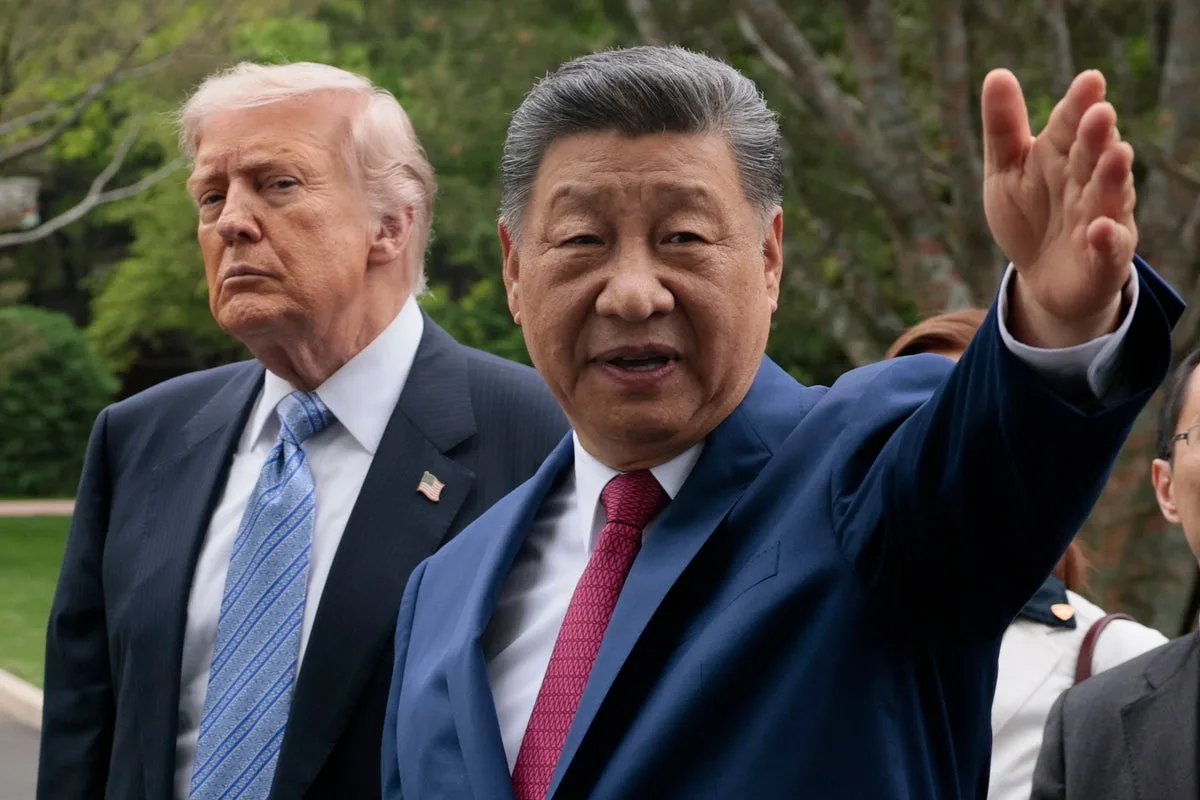
Earlier this month, Chinese leader Xi Jinping reaffirmed Beijing's red lines on Taiwan directly to US President Donald Trump during Trump's visit to China. Xi warned that US support for Taipei could lead to a clash or even conflict. Following the meeting, Washington paused a $14bn arms sale to Taiwan, after Trump suggested he could use such sales as a negotiating chip in future talks with Beijing.
Daniel Salisbury, senior fellow at the IISS, noted that there was no specific discussion on nuclear weapons during the Trump-Xi summit and that the situation between the nations is quite difficult on the nuclear front. He contrasted this with US-Soviet Cold War arms control talks, adding that any conversation with Beijing would be more complicated given much of its nuclear arsenal is concealed. A US Department of Defence report estimates China will possess 1,000 nuclear warheads by 2030, compared to its current 620, while the US and Russia field 4,400 and 3,700 active warheads respectively.




