Defence Secretary Wes Streeting has said that the more the UK spends on defence, the lower the chance of war. His comments came as the UK Government announced an £8 billion investment in the maintenance of the country's nuclear submarines, aimed at reducing the time the vessels spend at sea.
The announcement follows the completion of a record seven-month deployment by one of the UK's four nuclear submarines earlier this month.
Investment described as 'single biggest procurement decision'
Mr Streeting described the £8 billion investment as the "single biggest procurement decision of this Parliament" and said the UK will have to "spend more" on defence.
Speaking to BBC Radio Scotland, he said: "One of the opportunities we have with defence is that the more we spend, and the stronger our capability, the stronger our industry, the stronger our alliances, the less likely we are to find ourselves at war with Russia or anyone else."
He added: "The deterrent effect is so strong that our adversaries wouldn't want to test us, so that's the goal. With defence, the more capable you are, the more you invest in your defence, the less likely the worst is to happen."
Russian threat described as worst since Cold War
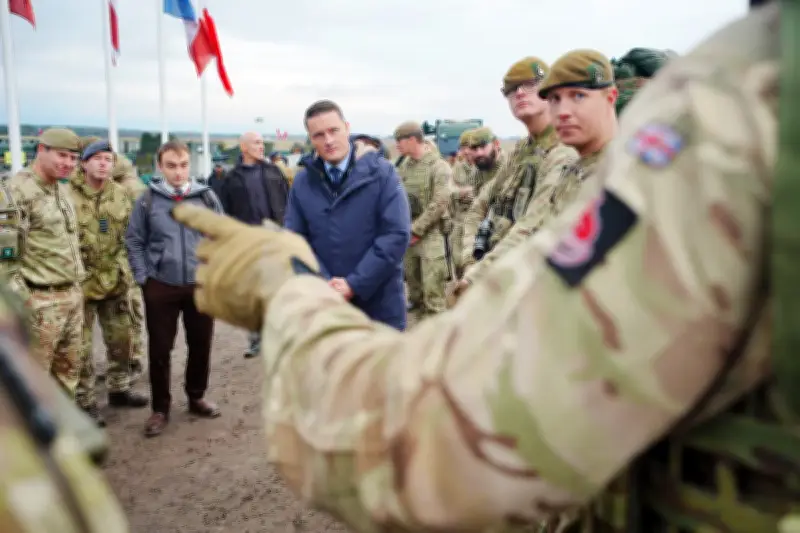
The Defence Secretary said the current threat from Russia is the worst since the Cold War, pointing to the incursion of a Russian missile into Polish airspace last week.
"I was in Poland last Friday," he said. "That was a serious incursion by Russia into Polish, and therefore Nato, airspace in a way that would have been unthinkable five years ago, and we shouldn't tolerate it anymore now than we would have then."
He continued: "This is a difficult time for Europe, the threat is material and that is why we have to invest more in our defence, in our capability, in our industry, in our alliances."
Scotland's defences defended
The UK Government has previously faced criticism from Scotland's First Minister John Swinney, who has claimed the country's north coast has been left undefended. UK ministers have consistently rejected the accusation, with Mr Streeting again describing the claims as "unfounded and therefore irresponsible" and calling the North Sea "integral to our homeland security".
He said: "In the same way that the Estonians and the Latvians, the Lithuanians and the Poles think about their border security with Russia, I look to the North Sea and the High North in similar terms. That is a huge border we have with Russia, that's why we've been particularly active with exercises with our Nato allies, with our allies form the Joint Expeditionary Force, which the UK leads."
He added: "All of that should give Scotland and the wider United Kingdom comfort and security."
The comments come as the Ministry of Defence has written to former military personnel to check their contact details and skill levels, a move Mr Streeting described as a "necessary precaution".