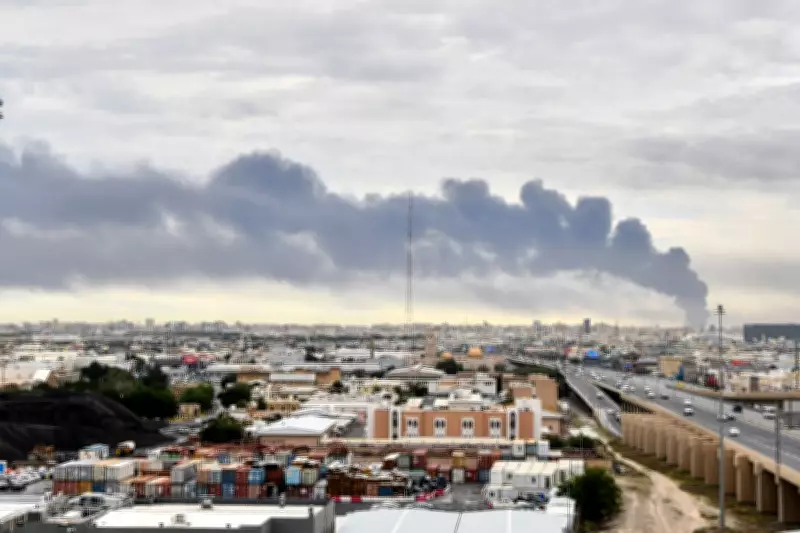
Prime Minister Sir Keir Starmer has issued a strong condemnation of what he termed a "reckless" Iranian drone and missile assault on a critical oil refinery in Kuwait. The attack, part of a broader overnight offensive across the Middle East, has escalated tensions as the conflict enters its fifth week, with Tehran targeting key infrastructure.
UK Military Deployment and Diplomatic Efforts
In a direct response, Starmer confirmed the deployment of Britain's rapid sentry air defence system to Kuwait during a phone call with Crown Prince Sheikh Sabah Al-Khaled Al-Hamad Al-Mubarak Al-Sabah. This ground-based, short-range missile launching weapon is designed to protect both Kuwaiti and British personnel and interests in the region, while aiming to prevent further escalation into a wider conflict.
Defence Secretary John Healey, who visited the Gulf earlier this week, announced that the rapid sentry system has already arrived in Kuwait. Additionally, the RAF's counter-drone Orcus system is operational there, assisting soldiers in early detection of Iranian drones. The UK is also sending the Sky Sabre air defence missile system to Saudi Arabia and extending the mission of UK Typhoon jets in Qatar.

Strait of Hormuz Crisis and Global Implications
The Prime Minister and the Kuwaiti crown prince discussed coordinated efforts to reopen the vital Strait of Hormuz, a key oil and gas shipping lane currently blockaded by Iran in retaliation for US-Israeli military campaigns. This blockade has sent global oil and gas prices skyrocketing, impacting markets worldwide.
Britain is leading diplomatic initiatives to resolve this crisis, with Foreign Secretary Yvette Cooper chairing talks involving over 40 nations on Thursday. Cooper warned that Iran could face further sanctions if the strait remains closed, emphasising the UK's focus on national interest and a rapid resolution to the conflict.
Regional Impact and International Reactions
Gulf nations have borne the brunt of Tehran's reprisals, with thousands of Iranian missiles and drones targeting US military sites and energy infrastructure across the region. The recent attacks set a refinery on fire and damaged a desalination plant in Kuwait, highlighting the severe risks to essential services.
Meanwhile, former US President Donald Trump threatened to escalate strikes on Iran's bridges and electric power plants, mocking Starmer as weak over his cautious approach to military involvement. In a video from a private Easter lunch, Trump impersonated the Prime Minister, criticising his reluctance to deploy naval assets to the Middle East.
Amid worsening transatlantic relations, Cooper declined to comment on whether Washington remains an ally, stressing the UK's independent stance. The situation underscores the complex geopolitical landscape, with Britain balancing defence commitments, diplomatic leadership, and global economic stability in a volatile region.