
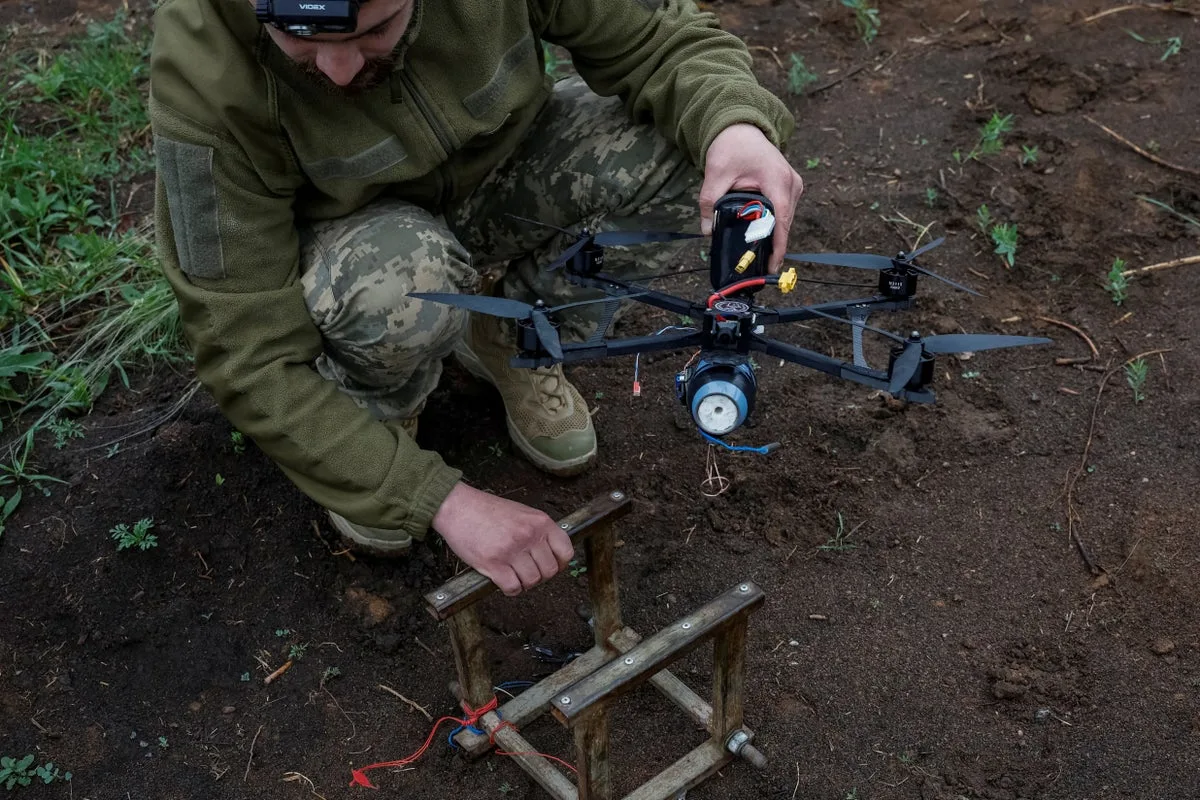
The battlefield in Ukraine has transformed into the most drone-intensive conflict in history, with swarms of unmanned aerial vehicles (UAVs) dominating the skies. Ukrainian commanders say these cheap, deadly machines are a primary reason Kyiv can withstand advancing Russian forces, despite Moscow's advantages in troop numbers, artillery, and tanks. The roughly 10-kilometre corridor on either side of the contact line is now dubbed the 'kill zone,' where any large vehicle is swiftly targeted and neutralised by both sides.
Russian forces have adapted by attacking in small groups on foot, motorbikes, or quad bikes to draw Ukrainian fire and then launch drone strikes. However, Russia has caught up in UAV technology and is now producing drones domestically at a rate of millions per year, according to military analysts. Despite this, Ukrainian commanders believe drones have levelled the field, making Ukraine more self-sufficient.
Meanwhile, European leaders are grappling with President Donald Trump's announcement that the US would supply arms to Ukraine via NATO, with Europe footing the bill. Details remain unclear, including the types and quantity of weapons and payment mechanisms. A White House spokesperson said Trump wants to end the war and is selling arms to NATO for Ukraine while threatening sanctions on Russia.
Ukrainian officials expressed confidence that the country could resist even without further US aid, citing drones and growing European supplies. 'We can hold out for months,' said Oleksandr Kamyshin, an adviser to President Zelenskiy. However, Polish analyst Konrad Muzyka warned that Ukraine would struggle in a long war of attrition due to manpower shortages and Russia's superior resources, noting that drones cannot fully substitute for artillery.




