
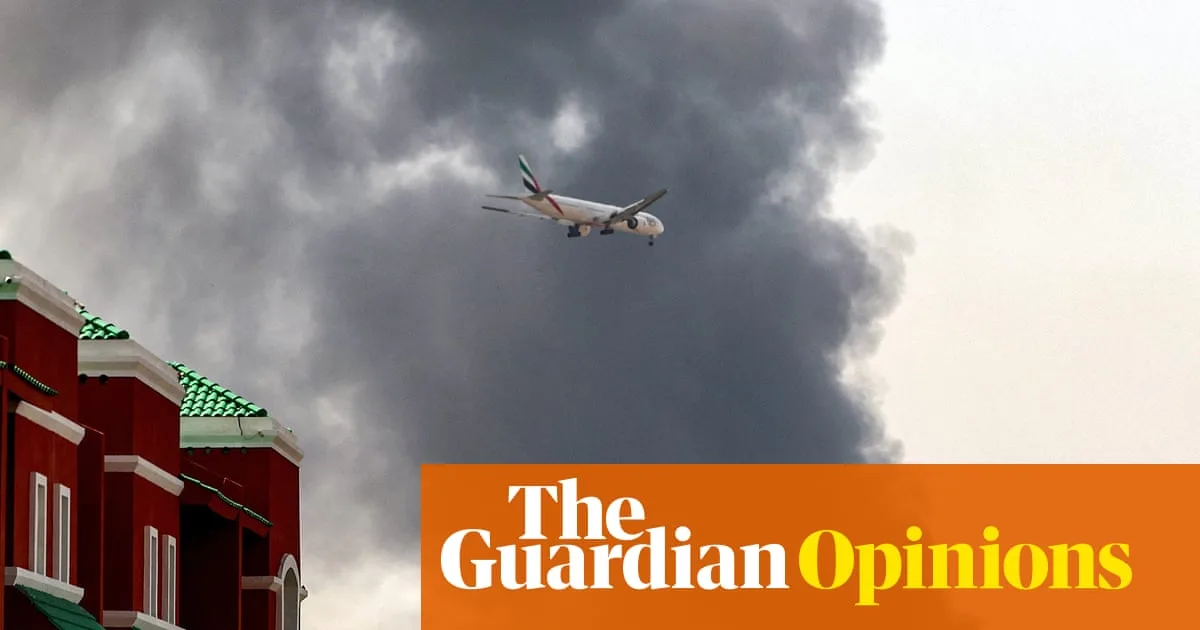
For more than two weeks, missiles and drones have been crossing the skies of the Gulf as the war between the US, Israel and Iran continues to escalate. Airlines are diverting flights, shipping routes are being disrupted and air defence systems across the region are operating at constant alert. With attacks extending to energy infrastructure, including gas facilities and production sites, the conflict has entered a dangerous new phase.
The governments now living with these risks were among those that most tried to prevent the conflict, encouraging negotiations in recent months and warning about the dangers of escalation. For Riyadh, Abu Dhabi, Doha and others, this moment is particularly unsettling because it is disrupting a strategy they have spent decades trying to build.
Gulf states have sought to shield themselves from the region’s cycles of conflict through a mix of economic diversification, diplomatic engagement and carefully managed security partnerships. That strategy rested on three pillars: reliance on US security guarantees, cautious outreach to Iran and expanding economic ties with Israel. The war is revealing the fragile foundations of all three.
The effective closure of the Strait of Hormuz has disrupted one of the world’s most critical energy and shipping corridors, sending insurance costs soaring and forcing commercial vessels to halt or reroute. Port activity across the Gulf has slowed sharply, including at major logistics hubs such as Jebel Ali in Dubai. Airlines are diverting flights to avoid missile and drone activity across Gulf airspace, disrupting operations at major transit hubs in Dubai and Doha.
These developments carry particular significance at a moment when Gulf governments are attempting to transform their economic models. Saudi Arabia’s Vision 2030 projects, the UAE’s role as a global aviation and logistics hub, and the region’s broader push into tourism, finance and technology all depend on stability. War threatens precisely the reputation these states have spent years trying to cultivate.
The crisis is also exposing the limits of the Gulf’s longstanding reliance on the United States as its ultimate security guarantor. When Washington escalates tensions with Iran or backs Israeli military operations, it does so according to its own strategic calculations. The Gulf states, by contrast, are left to manage the consequences that are now affecting their cities, citizens, economies and infrastructure.




