Navy chiefs have been warned that spa days and pizza nights will not be enough to prevent a looming submariner retention crisis after a Trident-armed submarine completed a record-breaking 217 days beneath the waves. Former submarine captain Ryan Ramsey said the service risks driving out “overloaded” personnel unless “serious” action is taken to protect those on increasingly lengthy nuclear deterrent patrols.
Welfare support under scrutiny
The Express can reveal new details of how crews and their loved ones are being supported, including free charity-funded spa breaks in Cornwall. A recent Navy memo seen by the Express states the breaks are offered to help “support recovery following operational commitments” as part of an 18-month pilot scheme to address “unique welfare challenges” facing the submarine community.
Families are also invited to pizza nights, coffee mornings and days out across the UK as part of welfare support during deployments, usually provided by naval charities or Navy welfare services.
Calls for deeper investigation
Mr Ramsey, who is calling for a study into the toll of the deployments, said: “What must a Government do to look after its own people, to avoid charities stepping in? A charity spa break is not going to fix this problem, because nobody knows what the second-order effects of [record deployments] are.”
He warned of a developing retention “challenge”, adding: “You don’t join to sit alongside and do nothing for years on end, but equally you don’t join to do 217 days with your shipmates in one go. The balance is completely wrong.”
HMS Vengeance's record patrol
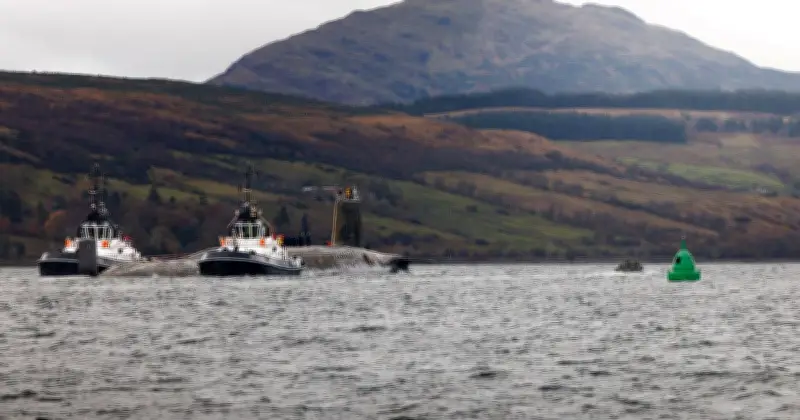
HMS Vengeance recently returned to Faslane naval base after its 217-day deployment. The submarine’s 140-strong crew endured the lengthy period without fresh air or daylight, with most working six hours on, six hours off and no days off. The top-secret nature of the mission meant they could not contact loved ones, though they could receive a weekly text known as a familygram.
Deployments of the four Vanguard-class submarines, which carry the UK’s Trident nuclear deterrent, have been increasing in recent years due to maintenance issues. Six out of the seven previous patrols by the 492-foot-long boats have lasted more than 200 days, despite initially being intended for around three months.
Former Navy officer Tom Sharpe described the problems facing the submarines as a “major national disgrace”. The First Sea Lord has admitted maintenance of the ageing fleet needs to “improve”. Navy sources insist support is available throughout deployments, including relationship and children’s support, and that dedicated family respite breaks provide protected time together and facilitate reconnection after long separations.
A Royal Navy spokesperson said: “Submarine service places unique demands on our people, including long periods away from loved ones and the pressures that come with sustained deployments. We all owe these crews a great debt of gratitude for their commitment to keeping our country safe.”