NATO Forces Overwhelmed by Ukrainian Drone Tactics in Training Drill
In a stark demonstration of modern warfare dynamics, thousands of NATO soldiers equipped with armoured vehicles and heavy weaponry were decisively outmanoeuvred by a handful of Ukrainian drone pilots during a recent military exercise. The drill, codenamed Hedgehog, has exposed significant vulnerabilities in conventional military hardware when confronted with advanced unmanned aerial systems.
The Setup of the Hedgehog Exercise
The training scenario involved approximately 6,000 NATO troops, including British personnel, tasked with advancing through a pine forest to capture a strategic position. These forces were provided with formidable assets such as armoured personnel carriers and infantry fighting vehicles. In contrast, the defending team consisted of only a few hundred Ukrainian and Estonian soldiers armed with basic infantry weapons like rifles, machine guns, and a limited number of landmines.
However, the defenders had a critical advantage: they were supported by drone pilots, some of whom were directly recruited from the Ukrainian frontline in the conflict with Russia. This real-world experience proved invaluable in the simulated battle.

Types of Drones Deployed
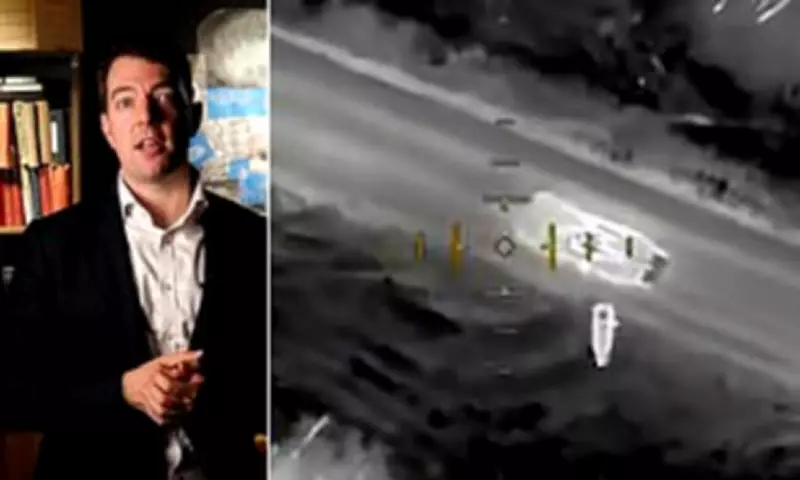
As explained by Chris Pleasance, host of the Daily Mail's War on Tape series, the Ukrainian side utilised four primary categories of drones:
- Heavy lifting drones: These were responsible for delivering essential supplies such as food, water, and sleeping bags to soldiers in the field, replacing traditional vehicle-based logistics.
- Reconnaissance drones: Equipped with sophisticated cameras, including night vision capabilities, these drones hovered over the battlefield and fed data into the Ukrainian software system Delta, which employs artificial intelligence to identify and track enemy movements.
- Bomber drones: Ranging from small quadcopters carrying single grenades to larger octocopters loaded with multiple mortar shells, these drones hovered above targets before dropping explosives with devastating effect.
- First-person view (FPV) drones: Strapped with anti-tank shells, these drones were piloted using goggles that provided a camera feed, allowing for precise, guided strikes directly into enemy vehicles.
Outcome and Tactical Failures
The Ukrainian and Estonian drone operators consistently outflanked the NATO forces, resulting in the simulated destruction of 17 armoured vehicles and the neutralisation of two full brigades, totalling around 2,000 personnel. The NATO troops encountered numerous tactical errors that exacerbated their vulnerability:
- They neglected to check roads for landmines, leading to initial casualties.
- Advancing in exposed columns without adequate concealment made them easy targets for surveillance and attack drones.
- Upon disembarking, soldiers frequently failed to disperse or seek cover, unaware of the imminent drone threat.
- Vehicles were parked too closely together, allowing bomber drones to hit multiple targets simultaneously.
Over the course of four days, the drones systematically eliminated stragglers, preventing the NATO team from ever launching their planned assault. One NATO commander reportedly observed the drill and remarked, "We are f***ed."
Analysis and Implications for NATO
Chris Pleasance, a Daily Mail foreign correspondent, analysed the exercise, noting that the NATO forces were "set up to fail" given the well-documented effectiveness of drones in the Ukraine war. He emphasised that even if NATO troops had avoided basic mistakes, the lack of anti-drone measures would have likely led to their eventual defeat.
Critical shortcomings included: the absence of NATO-operated drones for reconnaissance, and no visible deployment of detection or jamming equipment on vehicles. Such technology, now considered essential in conflict zones like Ukraine, can detect drones and disrupt their signals, rendering them ineffective. Pleasance pointed out that while NATO has been developing anti-drone systems, none appeared to be utilised in this exercise.

The drill underscores a rapid arms race in drone technology, where innovations are quickly countered by opposing forces. Pleasance described this as a "rapidly cycling loop of innovation, countermeasure, and counter-countermeasure," making it challenging for military strategies to keep pace. This exercise serves as a wake-up call for NATO, highlighting the urgent need to integrate and adapt anti-drone capabilities into conventional warfare doctrines to avoid similar outcomes in real combat scenarios.