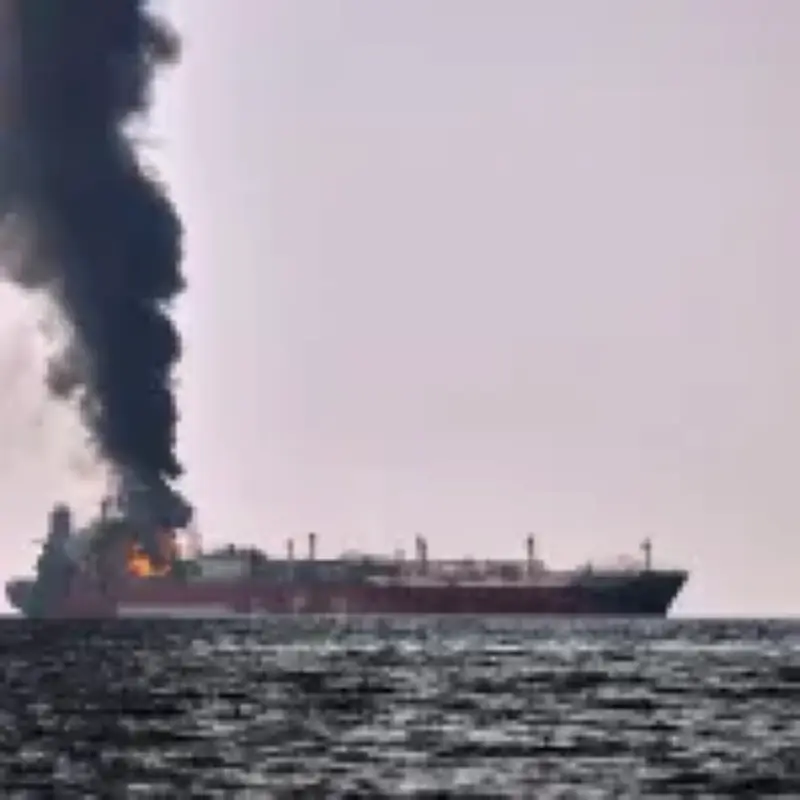
Attacks on shipping vessels in the Strait of Hormuz have reached their highest levels since the beginning of the conflict, according to new data. This month alone, more than 22 attacks were reported to the United Kingdom Maritime Trade Operations Centre (UKMTO), though the actual number is likely higher. UKMTO admitted: 'Additional incidents are known but cannot be independently verified.'
Iran's strategy in the Strait
Dr Katayoun Shahandeh from SOAS at the University of London told Metro that the recent increase in attacks appears to be part of Iran's attempts to reassert its influence over the vital waterway. 'Iran may not be able to challenge American military superiority directly, but it can make securing the Strait increasingly difficult and costly. In this sense, the objective is not necessarily to regain complete control, but to demonstrate that the United States cannot guarantee its security without taking Iran into account,' she explained.
Iran has suggested that many of the maritime incidents reported were ships striking mines in the water, but this has not been confirmed. Dr Shahandeh cautioned: 'Iran's explanation should be treated cautiously, particularly as responsibility and the circumstances of individual incidents have not always been independently established.'
Political pressures and potential strikes
Since Republicans lost control of both the House and the Senate, there have been rumblings that Donald Trump would begin striking Iranian targets again. Just yesterday, Trump told Fox News that he was considering ordering new strikes after the New Year if Iran does not agree with the US.
Dr Shahandeh added: 'But the war has been deeply unpopular with the American public, particularly because of its economic consequences, and the Republican losses in the midterm elections have made further escalation an increasingly difficult political proposition for President Trump.'
Outlook: stalemate and risk of wider escalation
Much like the last few months, the conflict is likely to remain at an impasse, Dr Shahandeh said, with intermittent attacks and ongoing attempts at diplomatic talks. She added: 'Both Iran and the United States feel compelled to demonstrate their resolve, even though neither appears capable of securing a decisive victory. Iran cannot defeat the United States militarily, but American military superiority has equally failed to force Tehran into submission.'
'We have effectively returned to a stalemate, with neither side able to achieve its objectives through military force and no viable political solution currently on the horizon that both would find acceptable.' Both Iran and the US being engaged in a stalemate makes the situation much more dangerous, Dr Shahandeh said. Both sides are attempting to project strength, leaving the world to grapple with a confrontation that neither can actually win. 'The danger is that this impasse becomes prolonged, with each new incident carrying the risk of triggering a much wider escalation.'