Iran Downs US Military Aircraft in First Combat Loss in Over Two Decades
Iran Downs US Aircraft in First Combat Loss in 20+ Years

Iran Downs US Military Aircraft in First Combat Loss in Over Two Decades

In a significant escalation of hostilities, Iran has shot down two American military aircraft, marking the first time in more than 20 years that the United States has lost aircraft to enemy fire in combat. This rare assault underscores Iran's persistent military capabilities despite recent assertions by former President Donald Trump that the Islamic Republic has been "completely decimated."

Details of the Attacks and Historical Context

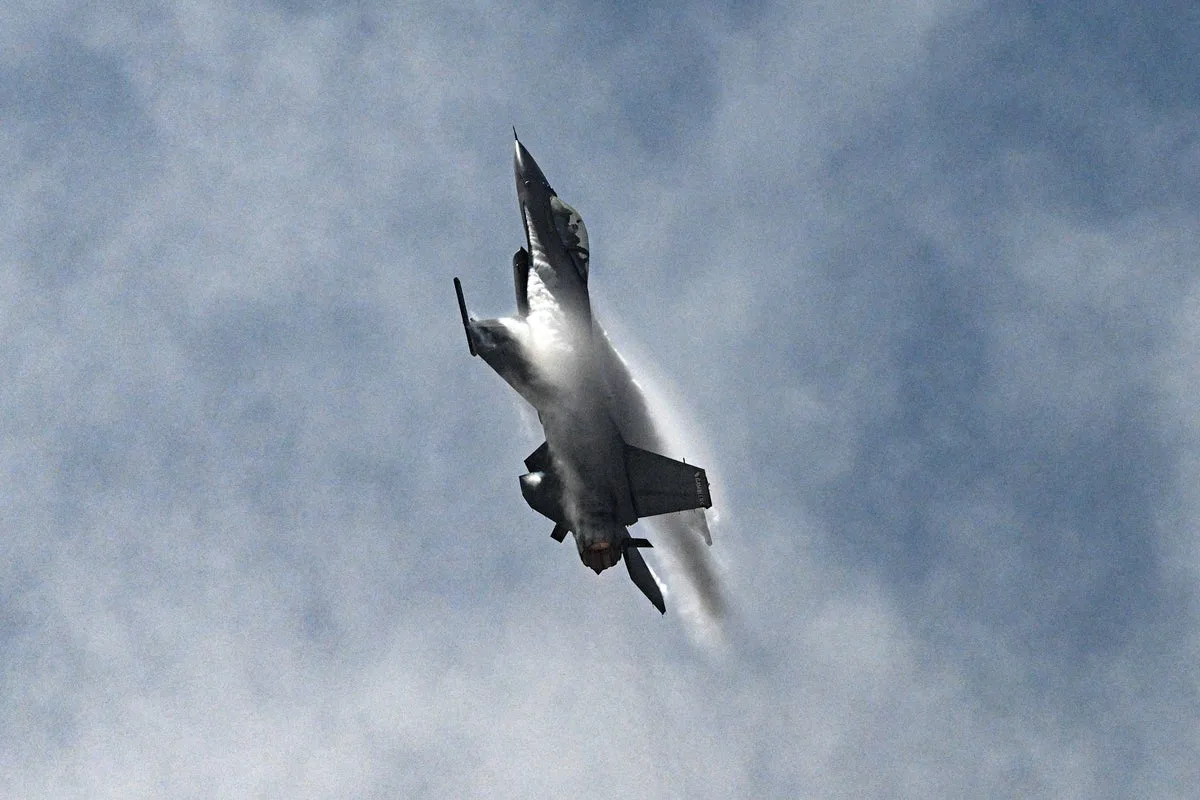
According to U.S. officials, an F-15E Strike Eagle fighter jet was downed by Iranian forces on Friday, with one service member successfully rescued and a search ongoing for a second. Iranian state media also reported that a U.S. A-10 attack aircraft crashed after being hit by Iranian defense forces. The last comparable incident occurred in 2003 during the U.S. invasion of Iraq, when an A-10 Thunderbolt II was shot down.

Retired Air Force Brig. Gen. Houston Cantwell, a former F-16 fighter pilot, noted that the rarity of such losses in recent decades is largely due to U.S. engagements with insurgent groups lacking advanced anti-aircraft systems. He described the current situation as a "miracle" that such incidents haven't happened sooner, given the daily combat missions and threats faced by U.S. forces in the region.

Wide Pickt banner — collaborative shopping lists app for Telegram, phone mockup with grocery list

Expert Analysis on Iranian Capabilities and U.S. Vulnerabilities

Behnam Ben Taleblu, Iran program senior director at the Foundation for Defense of Democracies, highlighted that Iran's air defense systems, though degraded, remain operational. He explained that American aircraft flying at lower altitudes are more susceptible to missile attacks, with shoulder-fired missiles likely used in these downings due to their stealth and lethality. Taleblu emphasized that Iran is "weak but still lethal," fighting for its survival in the conflict.

Mark Cancian, a retired Marine colonel and senior defense adviser, concurred on the likelihood of shoulder-fired missiles but described the overall U.S. air campaign as a "tremendous success." He contrasted historical loss rates, such as the 3% in World War II, with modern public expectations of "bloodless wars," noting that any casualties are politically sensitive given domestic opposition to the conflict.

Pilot Training and Rescue Operations

In high-threat environments like Iran, pilots undergo rigorous training to handle missile threats and ejections. Cantwell detailed that aviators must remain highly alert to infrared- or radar-guided missiles and are drilled in post-ejection procedures, including wound assessment and communication for rescue. However, these efforts are complicated by enemy attempts to intercept or spoof location signals.

The rescue missions, often conducted via helicopters, are particularly perilous. Cantwell pointed out that helicopters are more vulnerable due to their lower and slower flight profiles, making acts like this week's rescues "brave and honorable." Historically, U.S. helicopters have faced significant risks, such as the 2005 Chinook downing in Afghanistan.

Broader Implications and Regional Impact

These incidents occur amid a broader U.S.-Israel offensive that has struck over 12,300 targets in Iran, with more than 13,000 missions flown, according to U.S. Central Command. Despite sustained airstrikes, Iran continues to launch attacks against Israel and Gulf Arab states, contributing to regional instability and global economic disruptions.

The downing of U.S. aircraft not only challenges perceptions of American air supremacy but also highlights the enduring resilience of Iranian forces. As the conflict persists, the loss of aircraft serves as a stark reminder of the ongoing dangers and complexities in modern warfare, with political and military ramifications extending far beyond the battlefield.

Pickt after-article banner — collaborative shopping lists app with family illustration




