Gen Z Service Members Use TikTok to Voice Anxiety Over Iran War Deployment
As the Trump administration promotes a "warrior culture" in the military, Generation Z service members are taking to TikTok to express a starkly different perspective. Their posts, often layered with irony and dark humor, reveal vulnerability and snark about the prospect of deployment to the Middle East, contrasting sharply with official White House messaging that frames the US-Israel conflict in heroic, video-game-like terms.
#MilitaryTok Fills Information Void with Personal Accounts
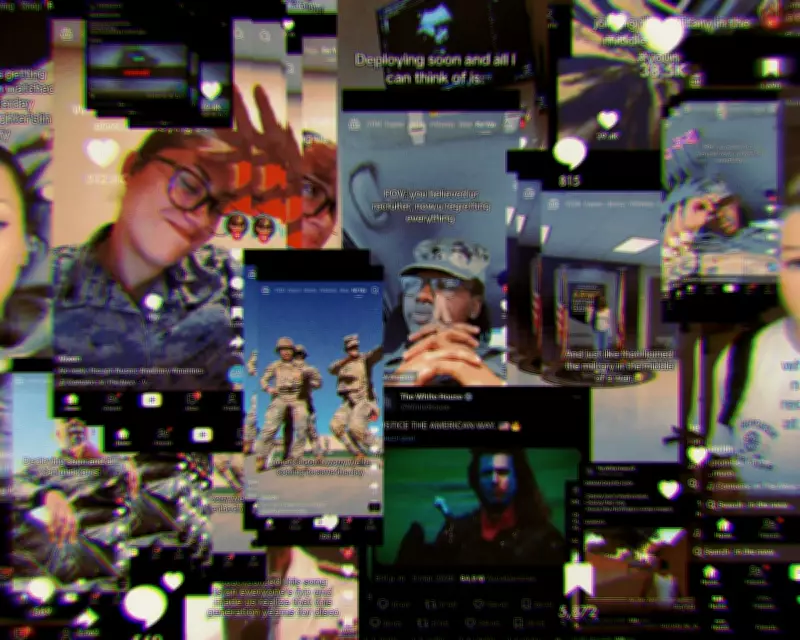
With scant reliable updates from official sources, #MilitaryTok has become an intimate, memeified window into the US-Iran conflict. Young recruits poke fun at their timing, joining mid-war, while others share fears about leaving loved ones. A representative for Blue Star Families noted that Gen Z engagement is "less formal and more personal," often using gallows humor to cope with anxiety.
Posts range from lip-syncing to The Village People's "In the Navy"—a song historically associated with gay sex and hesitation—to candid captions about regretting enlistment. This unfiltered content helps gauge troop morale and public sentiment, with a recent Pew poll showing 60% of Americans disapprove of Trump's handling of the war.

Military Recruitment and Social Media Tensions
The Department of Defense sees TikTok as a potential recruitment tool, but struggles to control narratives. While guidelines encourage soldiers to share positive stories, many posts criticize military life or express doubts about deployment. Experts like Jeremiah Favara point out that this user-generated content often clashes with official PR strategies, highlighting a disconnect between administration posturing and ground-level realities.
Despite recruitment surges led by women, Gen Z's favorability toward the military has dropped, with only 9% strongly supporting the Iran war. Social media rules, aimed at maintaining integrity, are undermined when the White House communicates through memes, making it hard for troops to take guidelines seriously.
Consequences and Cultural Shifts
Service members face risks for critical posts, including disciplinary action, but TikTok's intimate format encourages disclosure. Professor Lisa Ellen Silvestri notes that this platform inspires a more human expression among personnel, challenging the military's dehumanizing norms. As videos of dancing troops go viral, public comments reflect pessimism, underscoring broader societal doubts about the conflict.
Ultimately, #MilitaryTok reveals a generational divide: while officials push macho imagery, young troops use social media to navigate fear and irony, offering a raw counter-narrative to wartime propaganda.