
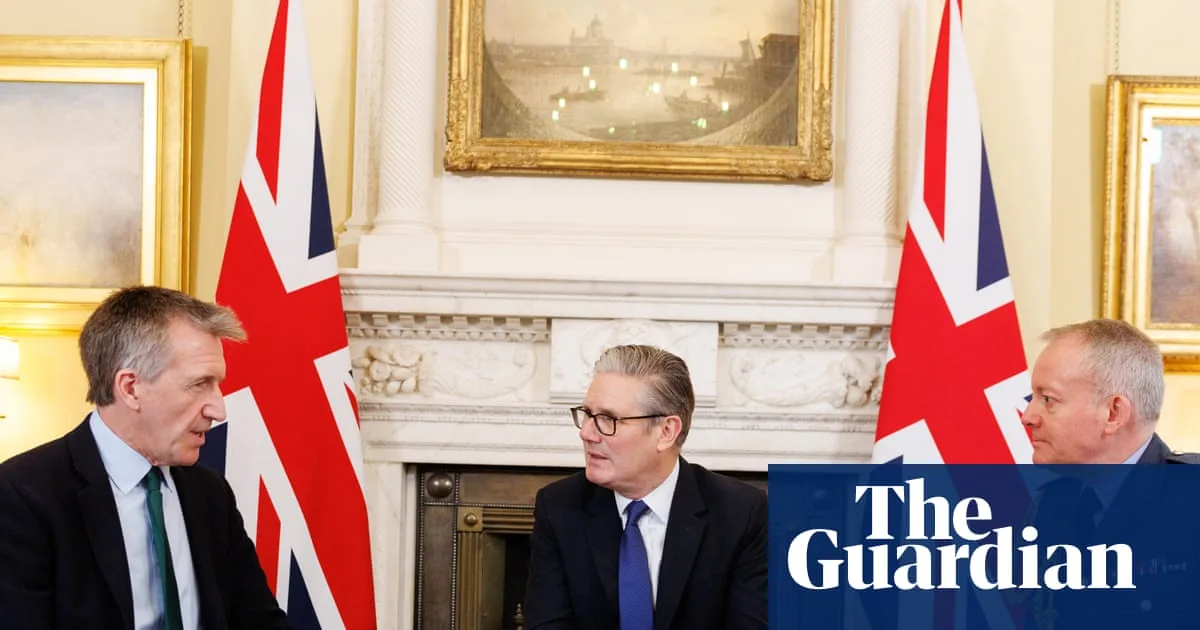
Prime Minister Keir Starmer has acknowledged he must 'turn things around' following the resignation of Defence Secretary John Healey amid a deepening row over military spending. The crisis has triggered recriminations across Whitehall and drawn concern from the United States.
Downing Street and the Treasury traded blame with Healey's allies on Friday. Number 10 expressed dismay that the Ministry of Defence (MoD) had requested £18 billion to plug funding gaps in major projects, while those close to the former defence secretary accused Starmer of failing to recognise the deterioration in global security.
Speaking to the BBC, Starmer promised to fight any leadership challenge from Andy Burnham and defended his decision to restrict defence funding. 'Whoever is prime minister is going to face the same prevailing winds as I am facing,' he said, justifying the difficult tradeoffs.
Healey quit on Thursday, accusing Starmer of jeopardising national security and being unable to stand up to Chancellor Rachel Reeves. He revealed that Starmer had only offered to increase defence spending to 2.68% of GDP by 2030, about £25 billion below the NATO target of 3.5% by 2035, which the prime minister had agreed to a year ago.
The US has also weighed in, with Undersecretary of Defence Elbridge Colby citing Healey's resignation letter and urging the UK to increase military spending. 'There is again a great need for more British military strength in this critical time,' he said in a social media post. The New York Times reported that the US plans to reduce its fighter jet presence in Europe from 150 to 100, expecting the UK and other NATO members to take the lead on continental defence.
Next week, Starmer will face US President Donald Trump and other G7 leaders at a summit in France, where he will have to manage the fallout. The defence investment plan, originally due for publication on Monday, has been delayed until near the start of the NATO summit in Ankara in early July, giving new Defence Secretary Dan Jarvis limited time for input.




