
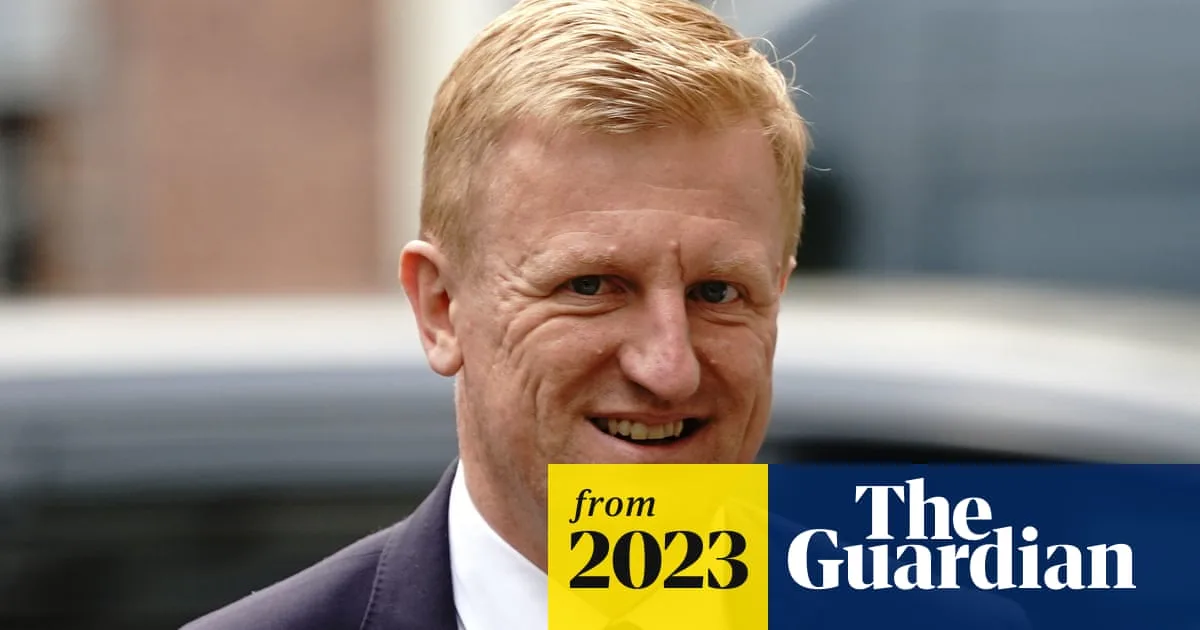
Deputy Prime Minister Oliver Dowden has advised Britons to keep battery-powered radios, torches, candles, and first aid kits at home to prepare for potential power cuts or digital communication failures. The suggestion was made during his visit to Porton Down, the UK's military laboratory, as part of his first annual risk and resilience statement.
The statement outlines measures to enhance national preparedness for future pandemics, natural disasters, and cyber-attacks. Dowden announced the creation of a national 'resilience academy' to train businesses and the public in dealing with such threats. A new government website will also offer practical advice on household preparedness.
Dowden listed risks including Russia's invasion of Ukraine, cyber-attacks, pandemics, misuse of artificial intelligence, and extreme weather. He emphasised the need for 'analogue capabilities' in a digital age, such as torches and radios that do not rely on the internet or mobile networks.
Labour's Pat McFadden welcomed the measures but questioned the government's approach to energy resilience, net-zero targets, and election security. He urged ministers to implement recommendations from the intelligence and security committee to prevent foreign interference in upcoming elections.
Dowden confirmed that an election could be held as late as January 2025 and stated that the democracy taskforce is working to ensure electoral resilience.




