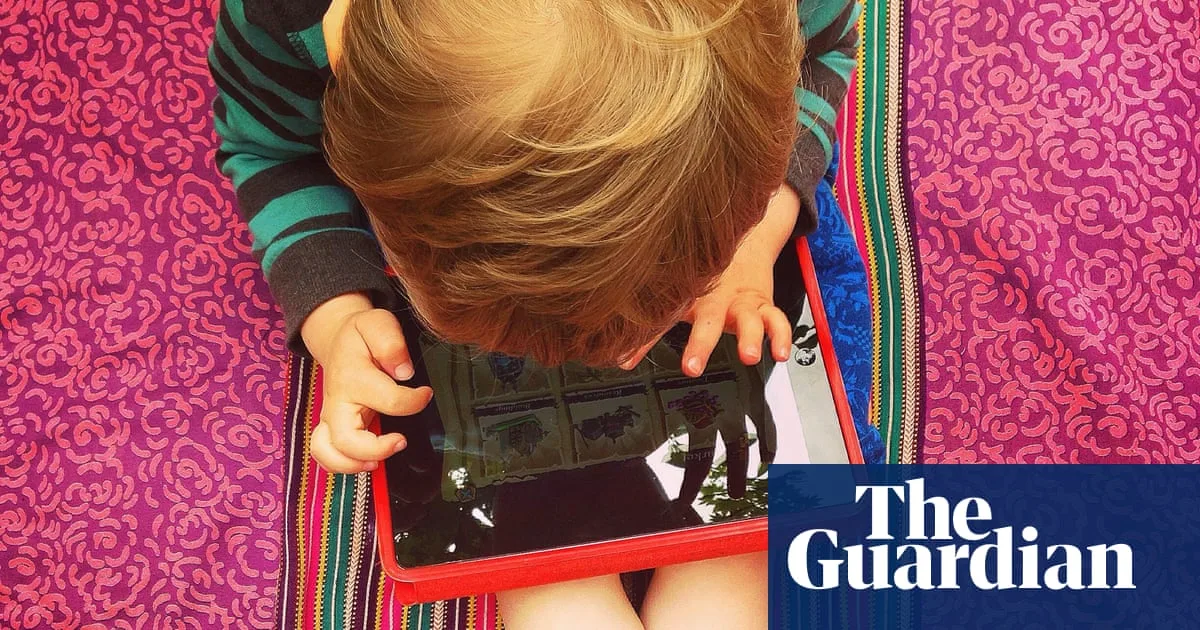
The UK government has issued new guidance advising that children under five should spend no more than one hour a day on screens. For children under two, screen time should be avoided except for shared activities that encourage interaction.
Prime Minister Keir Starmer said the guidance would help families keep children safe and build healthy habits with screens. He acknowledged the challenges of parenting in a digital world and pledged government support.
The guidance, developed by a panel led by the children's commissioner and a health expert, recommends screen-free bedtimes and mealtimes. It advises against fast-paced social media-style videos and AI-powered toys for young children.
Shared screen activities, such as video calling or looking at photos, are considered better for cognitive development than solo use. The panel found that excessive solo screen time harms sleep, physical activity, and interaction with parents.
The government is also considering Australia-style measures to limit or ban social media for under-16s. The Royal College of Paediatrics and Child Health welcomed the guidance, noting the challenges parents face in balancing digital and real-world activities.