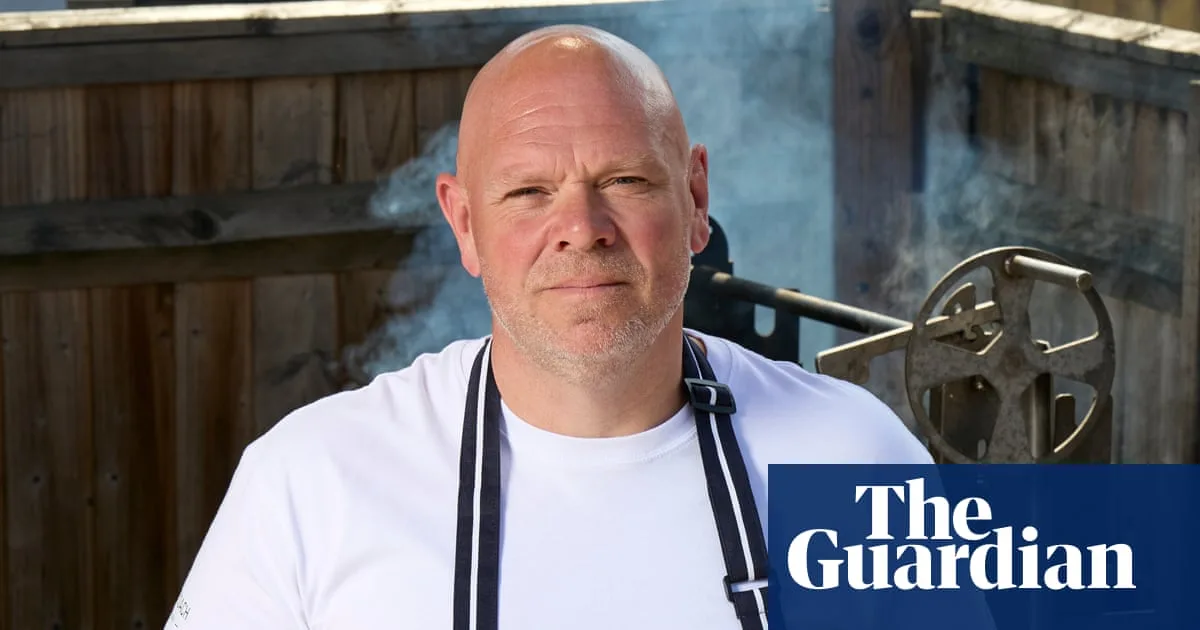
Tom Kerridge: Hospitality Industry Faces Existential Crisis Amid Rising Costs
Tom Kerridge: Pubs and Restaurants at Breaking Point

Tom Kerridge has issued a stark warning that the hospitality industry is facing an existential crisis, with rising business rates and employment costs threatening the future of British cuisine. Speaking to The Independent, the celebrity chef revealed that even his own acclaimed restaurant group is barely breaking even, as new data shows at least three pubs and restaurants are closing every day.

Business Rates Squeezing the Life Out of Hospitality

Hotels, cafes, restaurants, and pubs are facing higher business rates following Chancellor Rachel Reeves' decision to end the relief introduced during the Covid pandemic. After a backlash, the Treasury partially reversed course, offering a 15% discount for pubs and live music venues, but hotels and restaurants remain excluded. Combined with rising energy bills, food costs, and employer National Insurance contributions, many businesses are struggling to survive.

"I cannot understand why anybody would open a business in hospitality right now," said Kerridge, who owns five pubs and restaurants, including the two Michelin-starred Hand & Flowers in Marlow, Buckinghamshire. "I do not understand how somebody’s taking some form of business loan or some form of investment... I don’t understand where they see a return."

Wide Pickt banner — collaborative shopping lists app for Telegram, phone mockup with grocery list

Impact on Quality and Community

Kerridge warned that the crisis is eroding the quality of British cuisine. "What happens is the quality levels will drop," he said. "We have some of the most eclectic, wonderful, brilliant cooks in the country, amazing restaurants, fantastic places but what will happen if no-one will be encouraged? Everything will shut down and it will rapidly go backwards."

His own business rates are set to increase by 100% to £500,000 this month. The levy for the Hand & Flowers now matches the annual rent for his Chelsea restaurant, The Chalk Freehouse. While he has not yet considered restructuring, he has already cut staff by 10% over the past year and shelved expansion plans.

Kerridge, a long-standing Labour supporter, has met with Business Minister Peter Kyle and is pushing for a VAT reduction. "This is about community spaces," he added. "People need hospitality to be there, they need connection... all those spaces shut and that’ll disappear."

Industry-Wide Backlash

Fifty Labour MPs, led by Knowsley MP Anneliese Midgley, have warned of "existential threats" to the industry. The Liberal Democrats have called for a 5% VAT cut for hospitality, while Reform UK proposes a 10% rate.

In Dorset, landlord James Fowler of the Larder House in Southbourne banned Labour MPs from his pub after the Budget, sparking a national campaign that distributed "no Labour MPs" stickers to thousands of pubs. Despite the subsequent 15% rate reduction for pubs, his rates are still rising by a third due to revaluation. He plans to reduce his restaurant size after years of cuts.

Paul Forsdike, owner of Dicky’s Bar and Brasserie in Southbourne, said his business pays £338,000 to the Treasury on a £1.2 million turnover, meaning almost a third of every customer pound goes to the government. He and his business partner each take a salary of just £21,000. "Restaurants will look to cut costs through what they offer," he said. "You put chicken and salmon on the menu and you know it will go, but those other experimental dishes... there will be less time and money for it."

In Burford, Oxfordshire, Andrew Joyce closed the food and drink operations at the Cotswold Merrymouth Inn, cutting 80% of staff to focus on events and accommodation. The 13th-century venue, known for its Sunday roasts, blamed "the very poor political and economic situation along with the additional costs imposed on hospitality by UK government."

In Horncliffe, near Berwick-upon-Tweed, locals raised over £300,000 to buy a closed pub, The Fishers Arms, but cannot find a landlord to run it.

Data Confirms Crisis

Marketing firm NIQ reported that the hospitality sector lost more than three licensed premises per day in the first quarter of this year. London and Scotland were proportionally hardest hit, each losing 0.4% of premises.

Pickt after-article banner — collaborative shopping lists app with family illustration

Dorset landlord Andy Lennox, who runs the Old Thatch in Wimborne, took his campaign for a VAT cut to 13% to London, arguing that the UK rate should align with the European average. "VAT is by far the biggest tax on businesses, and is starving pubs, restaurants and hotels of profit," he said.

Kate Nicholls, chair of UKHospitality, warned that nearly two-thirds of businesses are expected to cut jobs due to rising costs. "Hospitality already carries the highest tax burden of any sector in the economy," she said. "Without meaningful action, more businesses will be forced to reduce hours, cut staff or close altogether."

A government spokesperson said: "We have the right economic plan - we're reforming business rates to back hospitality, with a £4.3bn support package to limit bill rises, alongside capping Corporation Tax at 25%, cutting red tape and taking action on the cost of living to boost the sector. Increasing the National Minimum Wage boosts pay for over 200,000 young workers, and employer NICs are lower when hiring under-21s."