

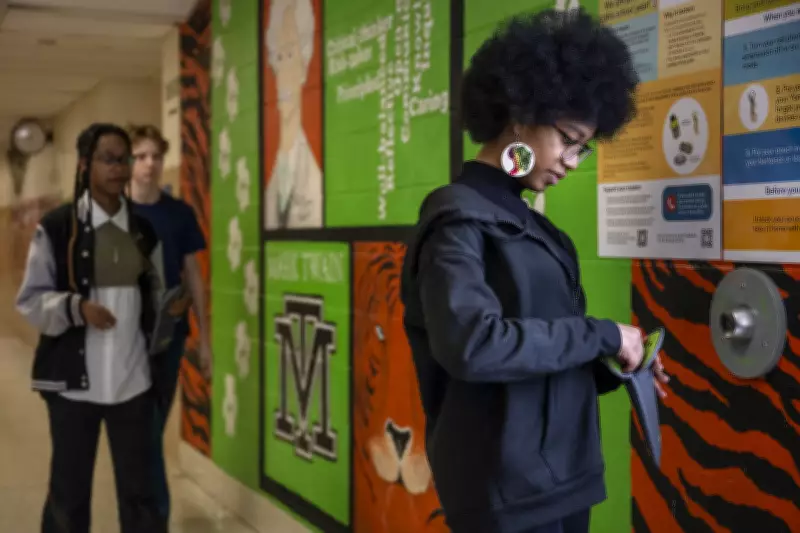
Schools across the United States have increasingly implemented cellphone bans in recent years, aiming to curb bullying and boost academic performance. However, new research examining over 40,000 schools between 2019 and 2026 reveals that while these policies reduce phone use, they may not deliver all the benefits lawmakers anticipated.
Study Details and Key Findings
The yet-to-be-peer-reviewed study, the largest of its kind, analyzed schools using Yondr magnetic pouches that lock phones away during the school day. Results showed that while phone usage dropped significantly, test scores did not improve, and there was little evidence of reduced online bullying, better attendance, or increased classroom attention.
In the first year of the ban, suspension rates rose by 16 percent and student well-being declined. However, over time, well-being rebounded, suggesting that reducing phone use may eventually benefit mental health. The researchers compared this improvement to a previous study on deactivating Facebook for four weeks.

Positive Outcomes on Phone Use
GPS data revealed that cellphone pings from school grounds fell by 30 percent in the first three years for students using Yondr pouches. The percentage of students using phones for nonacademic reasons plummeted from 61 percent to 13 percent. The researchers noted that "Yondr adoption meaningfully reduces in-school phone use, even if enforcement may be imperfect."
Brice Beck, deputy superintendent in Cape Girardeau, Missouri, observed that at lunch, students now talk to each other. "It's a lot louder, but the good kind of loud," he told The New York Times.
Comparison with Other Studies
The findings complement a 2025 paper showing short-term suspensions and improvements in test scores and unexcused absences after cellphone bans in Florida. They also build on research linking higher non-school screen use to poorer mental and physical health, which can negatively affect school performance.
Context on Screen Time
According to the American Academy of Child and Adolescent Psychiatry, U.S. children aged 8 to 18 spend an average of 7.5 hours per day on screens. A 2023 Common Sense Media survey found that students may receive hundreds of disruptive notifications daily, about a quarter during school hours. This is why 90 percent of teachers supported a cellphone ban during teaching hours in a 2024 National Education Association poll.






