Advocates of unpasteurised milk are stepping up efforts to make the product more widely available in the United States, despite a new outbreak of E. coli linked to raw milk cheese that has sickened nine people, half of them children under five. The outbreak is one of at least five in the past year, according to the Associated Press.
More than three dozen bills supporting raw milk have been introduced in 18 state legislatures this session, spanning both Democratic and Republican-controlled states. A growing number of states already permit sales, and dairy farmers report difficulty keeping up with demand even at prices exceeding $10 or $20 per gallon. The momentum is being fuelled by high-profile figures, including US Health Secretary Robert F. Kennedy Jr., who drank raw milk at the White House last May.
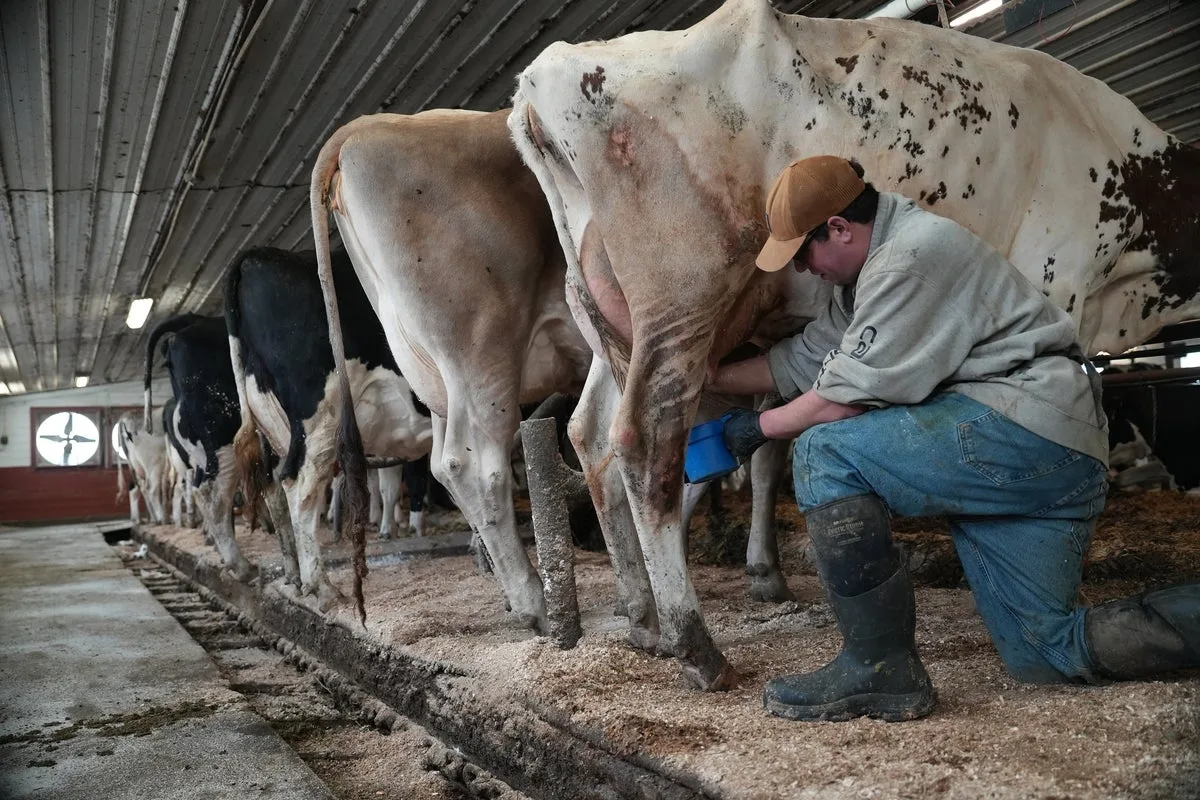
Public health officials warn that unpasteurised milk can harbour dangerous bacteria. The current outbreak, traced to raw milk cheddar cheese from California's Raw Farm, has caused one victim to develop a serious complication that can lead to lifelong kidney impairment. Petra Anne Levin, a biology professor at Washington University in St Louis, questioned the appeal, saying: 'If you wouldn’t lick a cow’s underneath, why would you drink raw milk?'

Pasteurisation, which heats milk to at least 71.7°C for 15 seconds, kills germs without significantly affecting nutritional quality, experts say. Despite this, consumer demand for raw milk persists. Mary McGonigle-Martin of the consumer group Stop Foodborne Illness noted: 'Public health has lost the battle on raw milk.' Some advocates and critics now call for federal regulation to manage the risk.
Bills in states like New Jersey would legalise raw milk sales for the first time, while others in Iowa and Missouri aim to expand access through farm stores and grocery outlets, provided warning labels are used and herds tested. Donald Schaffner, a food science professor at Rutgers University, warned that wider access 'will probably mean more outbreaks'.