

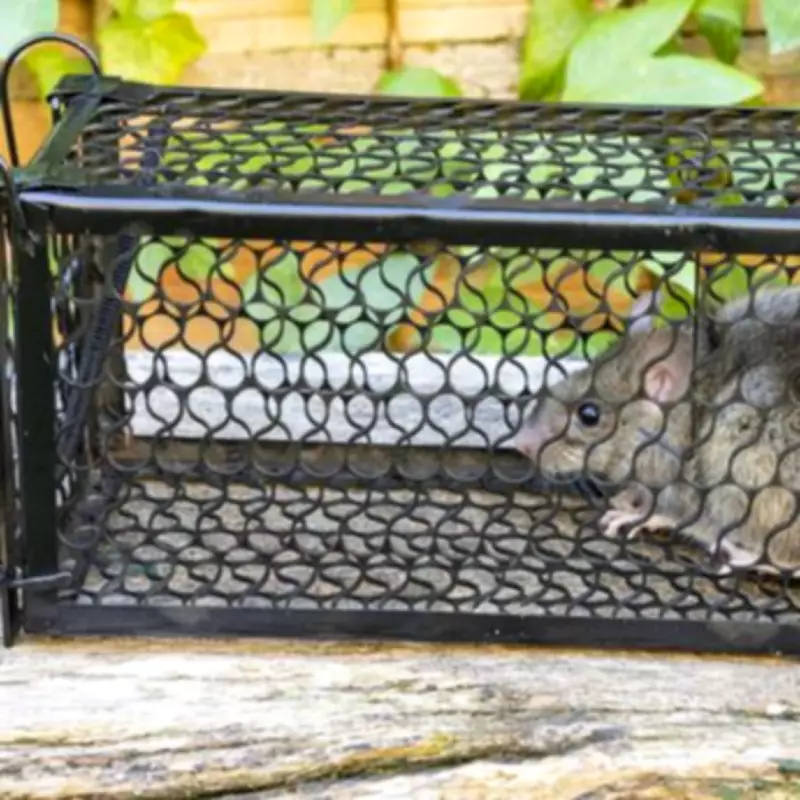
A plumbing and drainage specialist has warned that a commonly neglected problem is enabling rats to treat household pipes as "underground motorways" to infiltrate UK homes. Hidden drain defects are among the leading causes of rat infestations, and confusion over repair responsibilities is worsening the situation.
Expert Warns of Rising Rat Activity
Jack Cox, Managing Director and Founder of Bromley Plumbers, reports receiving callouts for rat-related drain problems once or twice weekly. With spring underway and summer approaching, he cautions that rising temperatures will drive rat activity upwards, and many homeowners are wasting money on the wrong fixes.
"Rats are experts at finding safe routes in and out of properties," Cox said. "Drains and sewer pipes are like underground motorways for them. They travel through pipework, move between properties, and emerge wherever they discover a vulnerability, such as a fractured pipe, a compromised manhole cover, or an opening around a drain."

The Root Cause Underground
The fundamental problem, according to Cox, is that most people address visible issues rather than the underlying cause beneath the surface. Sprays, deterrents, and surface-level pest control seldom resolve the problem when the genuine fault lies metres underground in a compromised drain or sewer pipe.
Cox recalled a case in Beckenham, Kent, where a homeowner found rats near bathrooms and even emerging close to the bath. The rodents had gnawed through three separate toilet waste pipes. His team uncovered a damaged communal drain roughly eight metres underground, enabling rats to move freely through the shared network.
"The frustrating part was that because it was a shared drainage issue, there were delays and arguments between the parties involved over who was responsible for fixing it," Cox explained. That dispute left the problem unresolved, allowing the infestation to continue.
Who Is Responsible for Drain Repairs?
This case highlights a common predicament: establishing drain ownership is not always clear-cut. Cox sets out the rules: if the damaged drain solely serves your property before joining the public sewer, it is generally your responsibility. If the fault lies within a shared drain or communal sewer, the local water company takes over. In much of his team's operating area, that means Thames Water handles shared sewer problems.
This differentiation is supported by Ofwat guidance, which confirms that drains and private sewers carrying household waste are typically the householder's responsibility up to the connection point with the public sewer. Beyond that junction, the sewerage company assumes control. Shared drains serving multiple properties involve collective responsibility between affected owners, which often leads to disputes.
"We are often asked who is responsible for rats in drains and rat-related drain faults, and the answer depends on where the defect is," Cox said. "A good plumber or drainage engineer should be able to help you work out whether the drain is private or shared, where the damage is likely to be, and what your next step should be."
Practical Advice for Homeowners
Obtaining clarity early can save stress and money. Cox recommends having the drainage examined via a CCTV drain survey before spending on deterrents. Such surveys can pinpoint damage, blockages, or structural defects providing rat entry routes, and establish whether the fault lies on private or shared infrastructure before any money changes hands.
The timing is crucial. Rat activity increases as temperatures climb throughout summer, meaning any drainage defect left unexamined now is likely to escalate into a more severe problem by July and August. Pinpointing the root of the issue and establishing responsibility is the most straightforward path to solving a persistent infestation.






