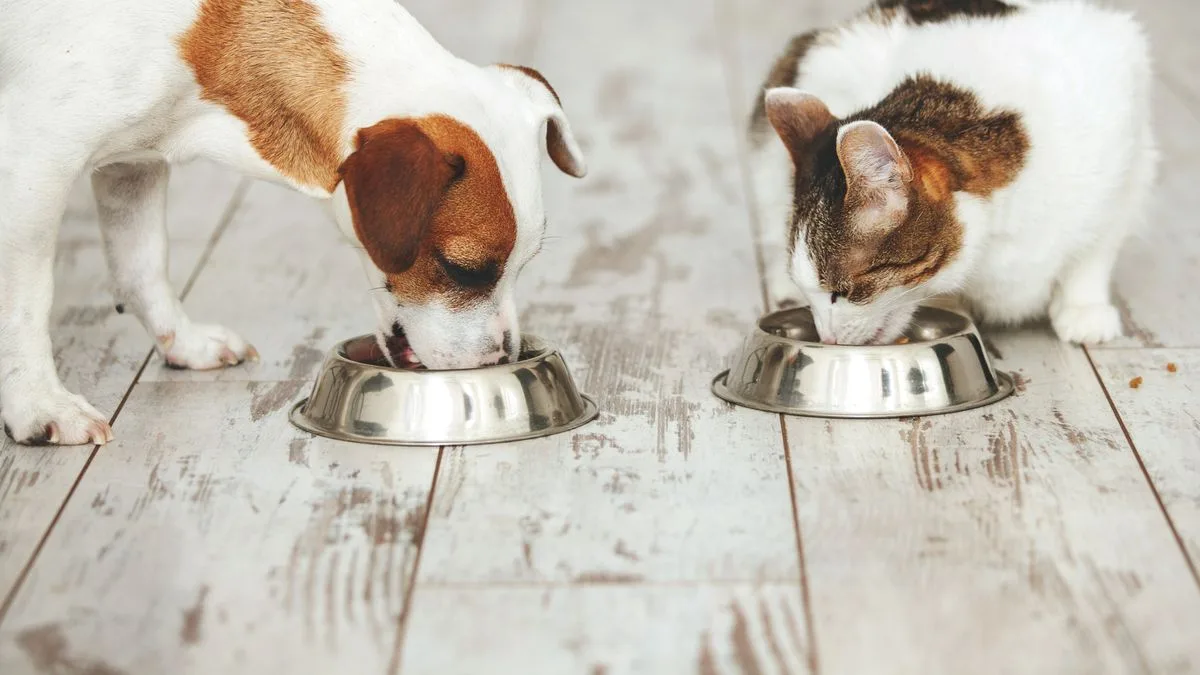
New regulations in England have introduced changes to household recycling collections, meaning several everyday pet products can no longer be placed in recycling bins. The Simpler Recycling rules, which came into force at the end of March, require councils to provide separate collections for food and garden waste, paper and card, dry recyclables such as glass, metal and plastic, and non-recyclable waste.
While steel and aluminium pet food tins can be recycled after being rinsed, the laminated foil and plastic pouches used for wet dog and cat food are not accepted. These mixed-material containers cannot be separated by standard recycling machinery and must be disposed of in general waste.
Used animal bedding, including straw, hay and wood shavings from smaller pets such as hamsters, rabbits and guinea pigs, is also banned from garden and food waste bins. Because it has been in contact with animal waste, it is classified as a contaminant and should go in the general rubbish. Loose sawdust used for pet enclosures, litter trays or hutches is similarly excluded from organic waste streams.
The new rules also state that the plastic recycling stream is reserved for packaging only. Bulky rigid plastic items, such as hard plastic pet toys, travel crates and pet food storage bins, are not suitable for household recycling collections. Absorbent hygiene products, including disposable puppy training pads, pet nappies and plastic-backed pads, must also be placed in general waste.
Households are advised to check with their local authority, as councils have flexibility in how they collect different materials. Those unsure about the new rules should consult their council to avoid bins being refused collection.