

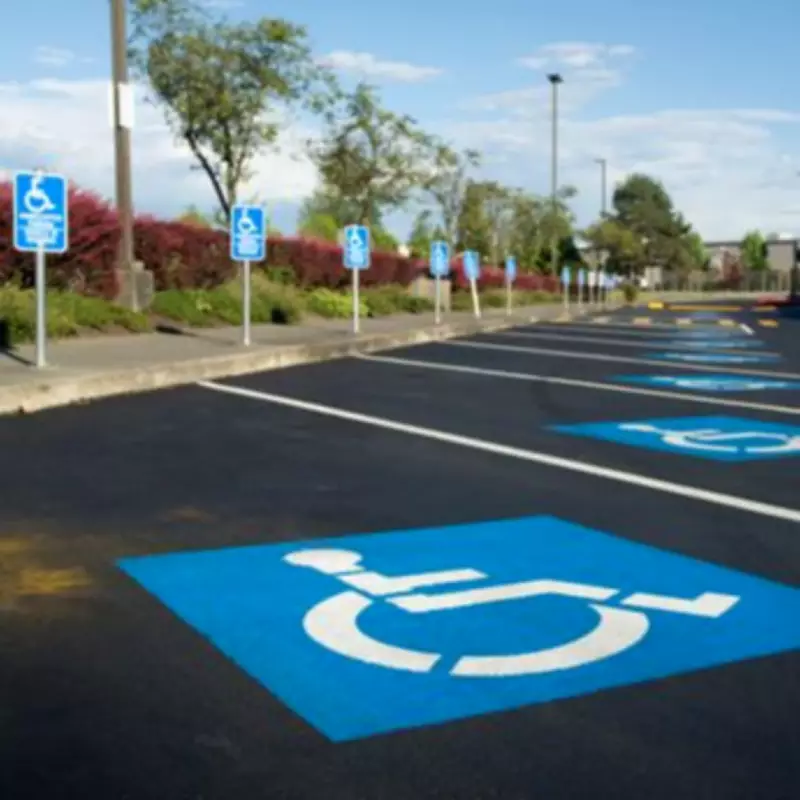
Thousands of people across the UK hold a Blue Badge, but strict eligibility rules mean many pensioners are not entitled to one. However, the UK Government has recently confirmed that local councils have the power to designate parking bays for specific purposes, including dedicated spaces for pensioners with mobility problems who do not receive qualifying benefits for the Motability or Blue Badge schemes.
Government Clarification on Local Powers
Labour MP Sojan Joseph questioned the Government on extending disabled parking bay eligibility to State Pension age individuals with mobility issues but without the higher rate of Disability Living Allowance (DLA) or Personal Independence Payment (PIP). In a written reply, Local Transport Minister Simon Lightwood stated: "Part IV of the Road Traffic Regulation Act 1984 provides local authorities with powers to mark out bays for specific purposes, issue local parking permits, and use Traffic Regulation Orders (TROs) to reserve spaces for specific purposes." The Minister added: "This can be a voluntary local scheme, and the cost and nature of the concession would be for the local authority to decide."
Blue Badge Eligibility and Usage
Individuals with physical disabilities or health conditions affecting safe walking, or hidden conditions like dementia or Parkinson's, may qualify for a Blue Badge. Figures show one in 20 people in England holds a badge, with 3.07 million permits as of March 31, 2025. In England, a Blue Badge costs up to £10; in Scotland, £20; and in Wales, it is free. Local councils handle applications, determine eligibility, and set prices. Badges are typically valid for up to three years.

Blue Badge holders can park for free in disabled bays and may be exempt from other restrictions. Misuse can lead to fines or confiscation. Pensioners without a badge should check with their local council for possible dedicated parking schemes.






