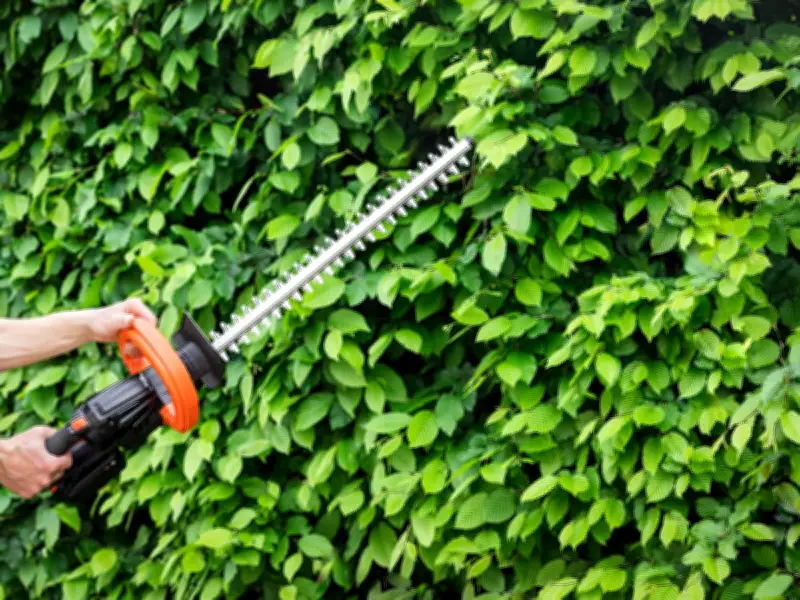
More than half of Britons (56%) have experienced disagreements with neighbours concerning trees, according to research from Saga Home Insurance. Overhanging branches are the primary source of contention, with 30% reporting difficulties from branches extending onto their property. Almost the same proportion (28%) cited problems with leaves drifting into their garden, while 15% have encountered issues with roots. Just over one in ten (11%) said their own trees have been damaged by a neighbour.
What Does the Law Say About Overhanging Trees?
Anna Thunstrom, Saga's head of home insurance, outlines homeowners' rights. She said: "It can be difficult to know what your rights are as a homeowner or tenant. Illegally cutting down a neighbour's tree could cost homeowners far more than they expect - from fines of up to £20,000 for protected trees, to civil compensation claims, legal fees, and replacement costs that can run into the thousands. In the most serious cases, unlawful tree removal can even result in criminal charges."
What to Do If the Tree Isn't on Your Property
Thunstrom advises: "If the branches blocking your garden's light or causing you issues aren't on your property, legally, there is very little you can do. In these situations, it's best to speak to your neighbour directly and attempt to come to a reasonable solution or compromise." If no agreement, ask the local council for a mediator, or get legal advice from your home insurer if you have legal expenses insurance. "Never cross into a neighbour's property to take action. Damaging a tree that is within your neighbour's property is illegal and could result in your neighbour pressing criminal damage charges against you."

Cutting Down Overhanging Branches: Your Rights
Research revealed that 33% of Brits are unaware they have the legal right to trim back overhanging branches. Thunstrom said: "If overhanging branches from your neighbour's trees are blocking sunlight or causing issues in your garden, the law allows you to cut these branches at the point where they cross the boundary line into your property, provided you don't trespass onto your neighbour's land to access them." However, you must speak to your neighbour first, and the cut branches still belong to the tree's owner—you need permission before disposing of them. The same rules apply to roots.
Take Care to Ensure the Tree Remains Healthy
Thunstrom added: "While cutting branches or roots that cross over into your property is legal, it's important that any damage caused to your neighbour's tree is minimal and will not affect the health of the tree. If you've caused any damage to your neighbour's tree and it becomes diseased, unbalanced or dies, then your actions would be considered legally negligent, and you may find yourself faced with a fine or charged with the cost of replacing the tree." She suggests consulting a professional tree surgeon before acting.
Fallen Fruit Does Not Belong to You
According to the survey, 60% of people incorrectly believe they can keep fruit that falls onto their property. Thunstrom said: "Just because fruit from a tree hangs over into your property or falls into your garden doesn't mean it's now yours. Legally, any fruit grown on your neighbour's tree belongs to them and so you should offer it back to your neighbour."
The Cost of Tree Damage
If you unlawfully damage or cut down a neighbour's tree without permission, you could face criminal charges and prosecution. Penalties depend on circumstances. For damage over £5,000, proceedings may be in Crown Court with unlimited fines. The tree's owner can seek compensation. Protected trees (TPO or conservation areas) require permission—cutting them can result in a fine of up to £20,000 per tree in Magistrates' Court, plus replanting. Unauthorised topping or lopping may incur a £2,500 fine. If the case goes to Crown Court, fines are unlimited.
What to Do If a Neighbour's Tree Damages Your Property
Thunstrom said: "If your neighbour's tree has damaged your property, such as fencing or outdoor furniture, your home insurance may help cover the cost of repairs or replacements. Depending on your policy, garden insurance may also offer additional protection."

What to Do If a Neighbour Damages Your Tree
Research revealed that 10% have experienced neighbour-damaged trees. Thunstrom advises: "Start by gathering evidence such as photos and videos, and check whether the tree was protected. It's usually best to raise the issue with your neighbour first, as disputes can sometimes be resolved informally. If that's not possible, you may be able to report the incident to your local council or seek legal advice." Legal expenses insurance can help cover costs if the dispute started after you took out the policy.